February 20, 2026 | JacobiJournal.com — An insurance carrier for a commercial trucking company has asked a Texas federal court to rule that it owes no coverage for a $105 million fatal crash judgment, arguing that the vehicle involved in the collision was not listed on the applicable insurance policy. The filing highlights recurring coverage disputes that surface after catastrophic transportation losses and raises questions about policy interpretation, underwriting disclosures, and post-verdict liability exposure.
What the insurer is arguing
In court papers filed Friday, the insurer asserts that the trucking company does not qualify as an insured for the loss because the crash did not involve a scheduled vehicle. According to the insurer, coverage under the policy is limited to specifically identified trucks, and the tractor involved in the fatal collision fell outside that scope. As a result, the carrier contends it has no duty to indemnify the company for the fatal crash judgment, nor to reimburse defense or settlement costs tied to the verdict.
This position is common in disputes where scheduled auto policies are used, as opposed to broader fleet or blanket coverage. Insurers often rely on strict policy language to limit exposure after large verdicts.
How the $105 million judgment came into play
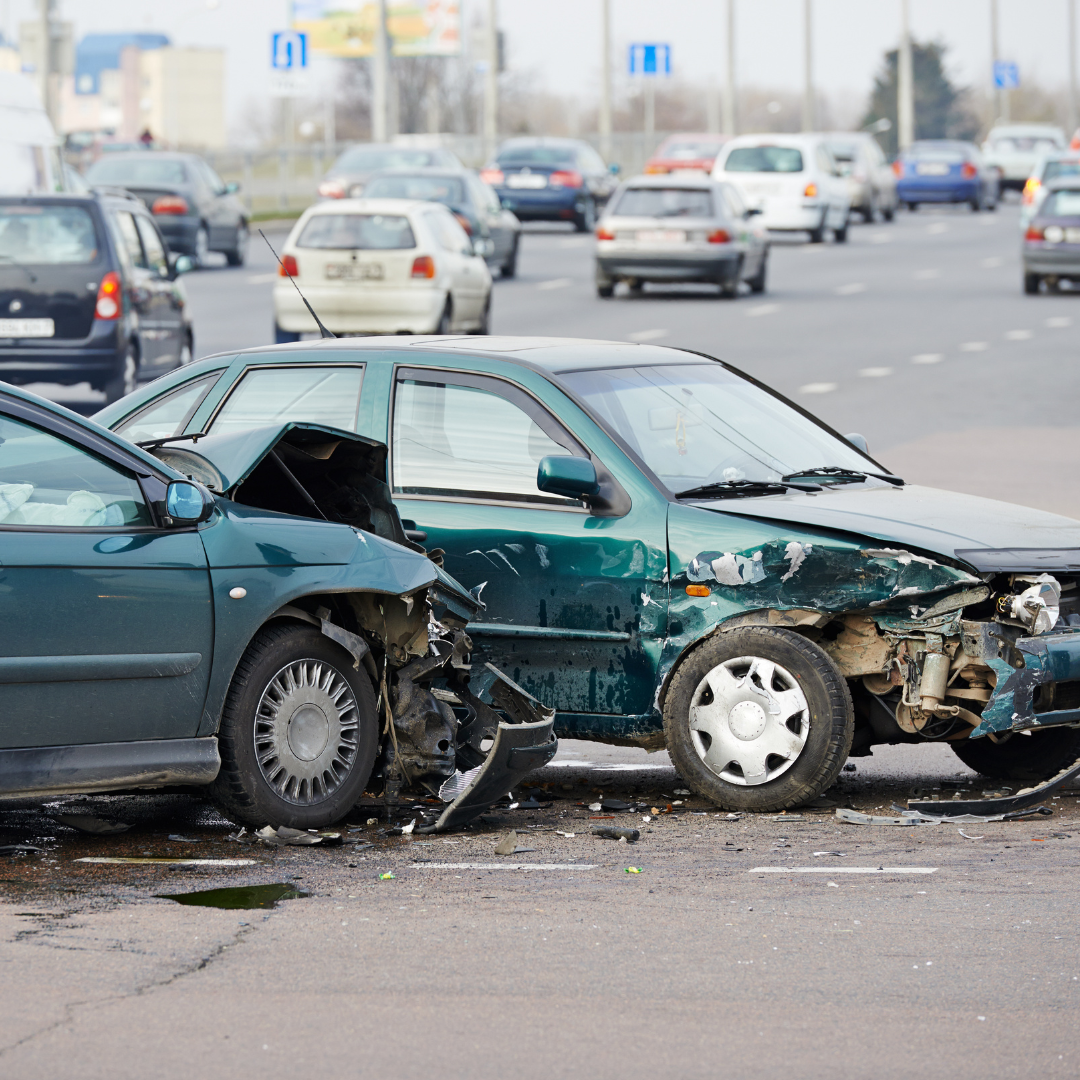
The underlying case stems from a collision that resulted in a fatality, ultimately leading to a jury award totaling $105 million. Such verdicts have become more frequent in trucking litigation, driven by rising jury awards and heightened scrutiny of commercial motor carriers. Once the judgment was entered, attention shifted from fault and damages to who would pay—triggering the current insurance coverage battle.
Coverage litigation following a fatal crash judgment is separate from the personal injury or wrongful death action. Federal courts are often asked to resolve whether insurers must step in, particularly when policy terms are disputed.
Why vehicle scheduling matters in trucking insurance
At the center of the dispute is whether the vehicle involved was properly scheduled under the policy. Scheduled auto policies require precise identification of covered vehicles, and failure to list a tractor or trailer can be fatal to coverage. Insurers argue this structure allows them to price risk accurately, while policyholders counter that exclusions can lead to unexpected gaps.
Legal analysts note that these disputes are increasingly framed as risk management failures, sometimes raising allegations of misrepresentation or internal compliance breakdowns rather than simple clerical errors.
Broader implications for fraud and compliance scrutiny
While the insurer’s filing does not accuse the trucking company of wrongdoing, coverage fights of this nature often prompt deeper examinations of underwriting submissions and fleet disclosures. In some cases, regulators and litigants probe whether omissions were inadvertent or intentional, placing disputes like this at the intersection of insurance coverage law and potential fraud investigations.
For readers tracking insurance and transportation risk, the fatal crash judgment dispute underscores how documentation practices can materially affect post-verdict outcomes.
What happens next in court
The Texas federal court will review policy language, vehicle schedules, and the factual circumstances of the crash. If the court agrees with the insurer, the trucking company could be left to satisfy the judgment without insurance proceeds. If not, the carrier may be required to cover some or all of the award.
Federal courts frequently resolve these matters on summary judgment, making early rulings pivotal for both insurers and insureds.
Why this case matters nationally
Large trucking verdicts continue to shape insurance markets, premiums, and coverage availability. Disputes over a fatal crash judgment reverberate beyond a single case, influencing how carriers structure policies and how trucking companies manage fleet compliance.
For background on how federal courts handle insurance coverage disputes, readers can consult guidance from the United States Courts.
FAQs: About Fatal Crash Judgment Insurance Coverage Disputes
What is a fatal crash judgment?
A fatal crash judgment is a court-awarded monetary verdict in a case involving a collision that resulted in death, often following a wrongful death lawsuit.
Why would an insurer deny coverage after a verdict?
Insurers may deny coverage if they believe policy conditions were not met like the fatal crash, such as when the vehicle involved was not listed on the policy.
Does a trucking company always have insurance for accidents?
Not necessarily. Coverage depends on policy terms, vehicle schedules, and compliance with underwriting requirements.
Can coverage disputes involve fraud investigations?
Yes. In some cases, disputes lead to scrutiny of whether vehicle information or risk details were misrepresented, raising potential fraud concerns.
Subscribe to JacobiJournal.com for in-depth reporting on insurance litigation, transportation liability, and fraud-related coverage disputes.
🔎 Read More from JacobiJournal.com:
- Ex-Bank of America Manager Pleads Guilty in Multi-Million Medicare Fraud Scheme 2026
- Insurer Seeks to Void $3.35B Stamp Inventory Policy Over Alleged Misrepresentation
- Insurer Ordered to Pay $14.4M After Jury Finds Tornado Claim Breach
- Los Angeles Healthcare Fraud Crackdown Targets Hospice & Home Health 2026
- Lindberg Ordered to Pay $526 Million in Fraud Case Brought by Insurers