NICB Reports 49% Spike in Insurance Fraud Tied to Identity Theft

October 20, 2025 | JacobiJournal.com — The National Insurance Crime Bureau (NICB) has reported a sharp 49% increase in insurance fraud cases involving identity theft and synthetic identities, marking one of the most significant fraud surges in recent years. Investigators say fraudsters are using stolen or fabricated identities to file false life insurance, healthcare reimbursement, and auto claim submissions. The trend reflects how cyber-enabled identity manipulation is fueling traditional insurance fraud schemes, often making detection harder for carriers and regulators alike. Synthetic Identities Driving Sophisticated Claim Schemes According to NICB analysts, many of the new cases involve synthetic identities—combinations of real and fake personal data used to create entirely new profiles. These synthetic claimants have been tied to false medical reimbursement requests and policies opened with fabricated beneficiaries. Experts warn that because these profiles can pass basic identity checks, insurers are increasingly vulnerable to digital-first fraud networks that exploit weak authentication processes. Life and Health Insurers See Growing Exposure Life and health insurance lines appear most affected by this year’s surge, with fraudulent actors targeting beneficiary databases and policy applications. NICB’s 2025 midyear review found that identity-based fraud has expanded from consumer policy abuse to organized criminal activity, sometimes involving multiple insurers. “These schemes often blend cybercrime with traditional claim fraud,” an NICB spokesperson said. “As digital verification expands, so does the surface area for exploitation.” Regulatory and Industry Response Emerging Regulators are responding by encouraging insurers to adopt multi-factor verification systems and cross-database fraud detection models. Insurers are also collaborating with NICB and law enforcement to share intelligence on synthetic claimants and compromised identity clusters. Industry observers predict that insurers who fail to integrate fraud analytics and biometric verification tools will face greater exposure to multi-claim identity manipulation. For the official NICB fraud trend report, visit the National Insurance Crime Bureau’s Fraud Resource Center. FAQs: Insurance Fraud Identity Theft Trends 2025 What did NICB report about identity theft and insurance fraud? NICB documented a 49% increase in insurance fraud tied to stolen or synthetic identities across multiple insurance sectors. Which types of insurance are most affected? Life and health insurance claims, along with some auto and property lines, are seeing the fastest rise in identity-linked fraud. What makes synthetic identity fraud difficult to detect? Synthetic identities blend real and fake data, often passing basic verification systems and enabling multiple false claims under different personas. How can insurers respond to this threat? Experts recommend biometric verification, AI-powered fraud analytics, and cross-industry data sharing through organizations like NICB. Stay informed on fraud enforcement and insurer liability —subscribe to JacobiJournal.com for expert weekly insights. 🔎 Read More from JacobiJournal.com:
NICB Projects 49% Rise in Insurance Fraud Linked to Identity Theft
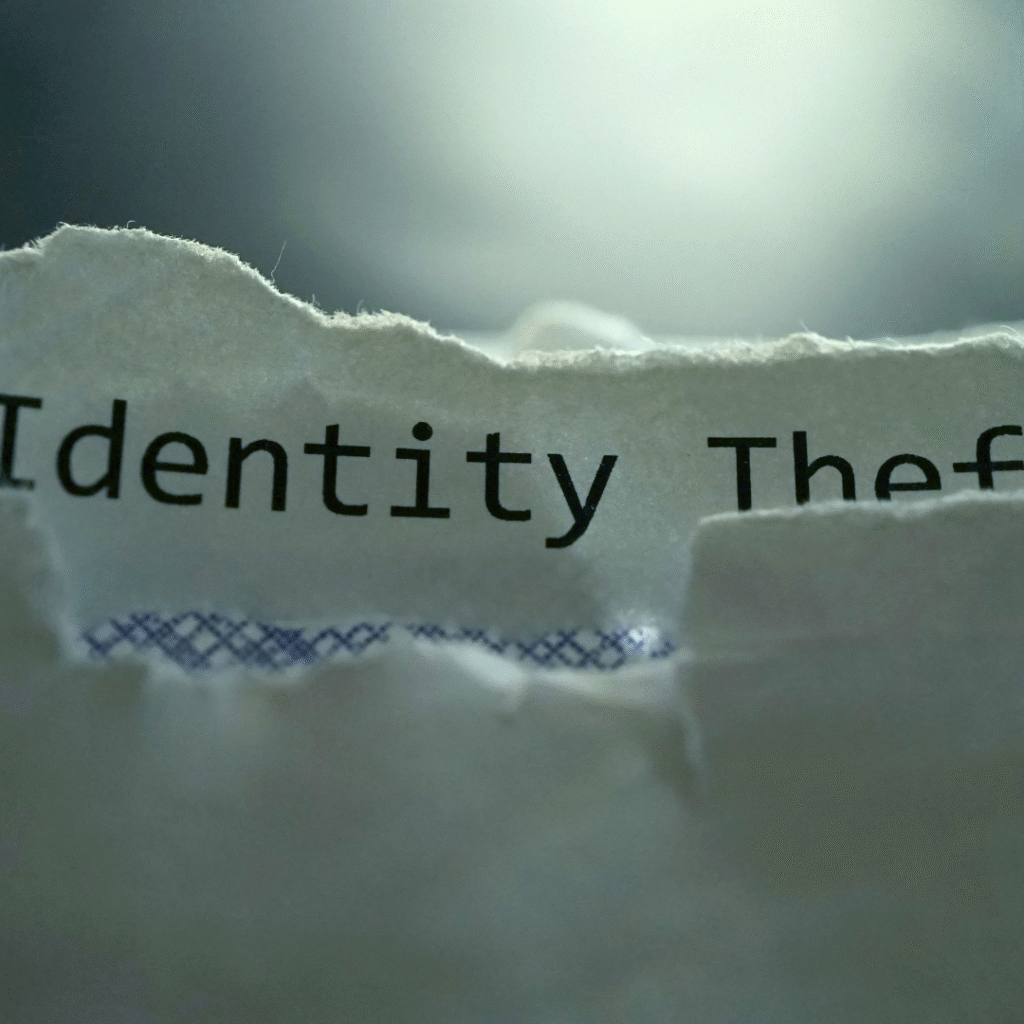
September 22, 2025 | JacobiJournal.com — Insurance fraud identity theft has surged dramatically in 2025, with the National Insurance Crime Bureau (NICB) reporting a 49% increase nationwide. Investigators say the rise includes both traditional stolen identity schemes and the fast-growing use of synthetic identities, where criminals combine real and fake information to create fraudulent profiles. The surge in insurance fraud identity theft reflects broader challenges in today’s digital economy, where criminals increasingly exploit weak points in online systems and claim processing networks. Experts warn that as fraudsters refine their tactics, insurers are often left playing catch-up, forcing companies to invest heavily in technology and investigative resources. At the same time, consumers face growing risks of personal information being stolen and misused in ways that may not surface until months or even years later. Fraud Schemes Target Insurers Nationwide NICB officials warned that insurers are facing mounting challenges in detecting insurance fraud identity theft claims filed under stolen or fabricated identities. These scams often exploit gaps in verification systems, leading to false payouts that drive up costs for both carriers and policyholders impacted by insurance fraud identity theft schemes. Criminals engaging in insurance fraud identity theft often use sophisticated tactics such as creating layered synthetic profiles or exploiting outdated verification protocols across multiple insurers. These strategies allow them to file repeated fraudulent claims undetected, draining millions from the industry annually. Analysts caution that without stronger cross-industry cooperation and real-time data sharing, fraudsters will continue to adapt faster than traditional detection methods. Synthetic Identity Fraud on the Rise Experts note that synthetic identity fraud, a major driver of insurance fraud identity theft, has become one of the fastest-growing financial crimes in the United States. Unlike traditional theft, insurance fraud identity theft schemes are harder to detect because they use legitimate data points, such as Social Security numbers, combined with fabricated details. This makes tracking and prevention far more complex for insurers and regulators. As synthetic profiles become more sophisticated, insurance fraud identity theft cases often go undetected until significant financial damage has already occurred. Fraudsters can maintain these false identities for years, slowly building credit histories before exploiting them for large insurance payouts. This evolving threat underscores the urgent need for advanced fraud detection systems that can analyze patterns across multiple insurers and flag suspicious activity before losses escalate. Consumers Bear the Hidden Costs Industry analysts emphasize that the cost of fraud ultimately lands on consumers through higher premiums and reduced trust in the insurance system. Victims of identity theft also face long recovery times, often spending months resolving credit damage and restoring their records. Calls for Stronger Fraud Prevention NICB is urging insurers, regulators, and technology providers to collaborate on enhanced fraud detection tools and cross-industry data sharing. Federal and state lawmakers are also reviewing proposals that would tighten compliance standards around identity verification and claim processing. For more details, visit the National Insurance Crime Bureau. FAQs: Insurance Fraud Identity Theft Rise How much has insurance fraud linked to identity theft increased in 2025? The NICB reports a 49% year-over-year increase in such cases. What is synthetic identity fraud? It’s a form of fraud where criminals combine real information, such as Social Security numbers, with fake details to create new identities. Why does this matter for policyholders? Fraudulent claims drive up insurance costs and can leave consumers vulnerable to premium hikes and compromised coverage. What steps are being taken to fight identity theft in insurance? NICB and regulators are pushing for stronger verification systems, data sharing, and legislative reforms to combat rising fraud. Subscribe to JacobiJournal.com for ongoing coverage of insurance fraud, financial crime, and consumer protection cases. 🔎 Read More from JacobiJournal.com: