March 6, 2025 | JacobiJournal.com – Fertilizer Manufacturer Fined $400K: The Washington State Department of Labor & Industries (L&I) has fined Two Rivers Terminal LLC $394,200 for safety violations that led to a worker’s death at its Pasco facility. The fertilizer manufacturer failed to implement critical safety measures, resulting in a preventable tragedy.
The case has drawn statewide attention as the fertilizer manufacturer fined by L&I has a documented history of workplace safety problems. Regulators emphasized that this penalty sends a strong message about employer responsibility, especially in high-risk industries where ignoring safety standards can have deadly consequences.
Worker Dies from Toxic Hydrogen Sulfide Exposure
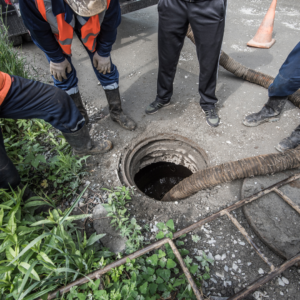
On June 7, 2024, surveillance footage captured Viktor Voloshin, 56, entering a tanker truck to clean it. Toxic hydrogen sulfide gas from fertilizer residue filled the enclosed space, leading to his sudden death. Voloshin, a dedicated employee of 11 years and father of 12, lost his life due to the company’s failure to enforce proper safety protocols.
The tragedy became a central factor in why the fertilizer manufacturer was fined by Washington L&I. Investigators determined that inadequate training, lack of air monitoring, and poor hazard prevention directly contributed to Voloshin’s preventable death. Regulators stressed that stricter compliance with confined-space safety standards could have averted the fatal exposure.
Company’s History of Safety Violations
L&I cited Two Rivers Terminal for multiple willful and repeat violations, including a lack of air monitoring, inadequate ventilation, and failure to provide protective gear. This isn’t the company’s first penalty. It previously faced fines totaling $672,320, which remain under appeal. Now, the company is also contesting the latest penalties, despite its longstanding history of safety infractions.
Regulators pointed out that the company’s pattern of repeat violations reflects a systemic failure to prioritize worker safety. By disputing penalties instead of addressing hazardous conditions, the company has shown a disregard for preventive measures that could save lives. Officials also warned that escalating fines and stricter oversight may be necessary if compliance issues continue.
Where Do the Fines Go?
The fines will be directed to the workers’ compensation supplemental pension fund, which provides financial support for injured workers and their families.
According to Washington L&I, this fund plays a vital role in ensuring that workers and their dependents receive benefits when workplace injuries or fatalities occur. Penalties collected from employers who violate safety standards not only serve as a deterrent but also strengthen the fund’s ability to provide long-term financial security for families affected by preventable workplace tragedies.
Source: Washington State Department of Labor & Industries
New Update: Two Rivers Terminal Wrongful-Death Lawsuit Dismissed in 2026 Following Fatal Toxic Gas Exposure
The fatal workplace safety case involving Washington fertilizer manufacturer Two Rivers Terminal LLC has reached a significant development in federal court. On January 5, 2026, U.S. District Judge Mary K. Dimke dismissed a wrongful-death lawsuit brought by the family of Viktor Voloshin, the 56-year-old truck driver who died after exposure to hydrogen sulfide gas at the company’s Pasco facility on June 7, 2024. The dismissal followed a stipulated motion submitted by the parties and formally closed the federal civil case.
The lawsuit, filed by Dmitriy Voloshin individually and as personal representative of his father’s estate, named Two Rivers Terminal LLC and Land View Inc. as defendants. The court dismissed all claims with prejudice, meaning the claims covered by the dismissal cannot ordinarily be refiled in the same proceeding. The order did not disclose whether the parties reached a financial settlement or identify any compensation paid to the family.
The development is important because the original March 2025 article focused on Washington’s $394,200 workplace safety citation without discussing the separate wrongful-death litigation. The civil lawsuit and the administrative safety enforcement action involved different legal proceedings, and the dismissal of the family’s lawsuit does not automatically resolve the state’s workplace safety penalties.
The wrongful-death lawsuit arose from circumstances investigated by the Washington State Department of Labor & Industries following Voloshin’s fatal exposure inside a tanker truck. According to the agency’s February 26, 2025 enforcement announcement, surveillance footage showed Voloshin placing a ladder into an opening at the top of the tanker before entering with a garden hose to clean the interior. Investigators determined that fertilizer residue inside the tank generated hydrogen sulfide gas, a highly toxic substance capable of causing rapid incapacitation and death at dangerous concentrations.
Voloshin had worked at the Pasco location for approximately 11 years and was the father of 12 children. Washington L&I concluded that the employer failed to implement essential safeguards for entry into a permit-required confined space. The cited deficiencies included inadequate atmospheric monitoring, insufficient ventilation, missing protective equipment, and the absence of appropriate communication and attendant procedures. The agency issued $394,200 in penalties, including citations classified as willful serious, repeat serious, and serious violations. Two Rivers Terminal contested the penalties, and the original enforcement announcement did not establish a final administrative disposition.
The federal wrongful-death case followed a separate procedural path. Court records show that the lawsuit was initially removed to the U.S. District Court for the Western District of Washington in March 2025. In April 2025, the court transferred the case to the Eastern District of Washington, where it proceeded under case number 4:25-cv-05043. The litigation continued through discovery and pretrial proceedings during 2025.
In August 2025, the court struck a motion for partial summary judgment because it did not comply with applicable procedural requirements, while allowing the possibility of refiling in an appropriate form. The parties subsequently submitted a stipulated motion to dismiss the lawsuit. On January 5, 2026, Judge Dimke granted that motion, dismissed all claims with prejudice, denied pending motions as moot, and directed the clerk to close the case. The dismissal order expressly provided that neither party would receive an award of legal fees or costs through the order. It did not include factual findings resolving the disputed allegations or establish that the company had been cleared of the workplace safety violations identified by state investigators.
Two Rivers Terminal’s earlier regulatory history remains relevant to the broader safety concerns surrounding the fatal incident. In October 2022, Washington L&I cited the company for more than 60 workplace safety violations and assessed $192,620 in penalties. Those findings included failures involving confined-space entry, fall protection, hazardous chemical handling, and employee training. In August 2023, the agency announced another $479,700 in penalties after investigating hazardous hydrogen sulfi
de exposure at the company’s Moses Lake operations. That investigation followed an incident in which a worker became incapacitated and fell after exposure to toxic gas while working on a railcar. At the time Washington announced the Voloshin fatality citations in February 2025, the company was appealing the earlier 2022 and 2023 enforcement actions, which together totaled $672,320. The agency also reported that Two Rivers Terminal had accumulated 96 serious and 43 general violations over the preceding three years and was included in its Severe Violator Enforcement Program. These findings demonstrate why regulators regarded the 2024 fatality as part of a broader history of hazardous working conditions rather than an isolated workplace incident.
Additional federal workplace safety records provide context for the company’s regulatory history, although they should not be confused with the administrative appeal involving Voloshin’s death. Occupational Safety and Health Administration records show that a separate 2023 inspection associated with Two Rivers Terminal’s Pasco facility was closed on May 13, 2026.
That inspection concerned an earlier enforcement matter and does not establish that the $394,200 fatality citation was withdrawn, reduced, or paid. The distinction is essential when reporting on multiple workplace safety proceedings involving the same employer. An inspection closure, a civil lawsuit dismissal, and a final administrative penalty determination are separate events with different legal consequences.
The case continues to raise significant questions about confined-space safety in fertilizer manufacturing, chemical processing, and transportation operations. Hydrogen sulfide can accumulate in tanks, vessels, pits, and other enclosed areas where hazardous materials or residues are present. Employers responsible for permit-required confined spaces must assess atmospheric hazards, establish appropriate entry procedures, provide necessary protective equipment, and ensure that trained personnel can respond to emergencies.
Atmospheric testing and ventilation are particularly important when workers may encounter toxic gases that cannot be reliably detected through ordinary human senses. The Voloshin investigation demonstrates the potentially fatal consequences of allowing employees to enter hazardous spaces without effective monitoring and emergency safeguards.
As of October 2026, the verified new development is the January 5 dismissal of the family’s federal wrongful-death lawsuit with prejudice. The court order does not establish whether a confidential settlement occurred, and the publicly reviewed materials do not confirm a final outcome for the contested $394,200 workplace safety citation. The original Washington L&I findings therefore remain important to understanding the fatal incident, while the federal dismissal represents a separate procedural conclusion.
Together, the proceedings illustrate how a single workplace fatality can produce both government safety enforcement and private civil litigation, with each process addressing different aspects of employer responsibility and accountability.
FAQs: Why the Fertilizer Manufacturer Was Fined $400K
Why was the fertilizer manufacturer fined $400K?
The Washington State Department of Labor & Industries fined the fertilizer manufacturer for willful safety violations that led to a worker’s death.
What safety failures led to the fertilizer manufacturer being fined?
Violations included lack of air monitoring, poor ventilation, and failure to provide protective equipment, which exposed workers to toxic gas.
Has the fertilizer manufacturer been fined before?
Yes. The company has a history of safety violations and previously faced fines totaling $672,320, which remain under appeal.
Where will the fines from the fertilizer manufacturer go?
The penalties will be directed to the workers’ compensation supplemental pension fund, which supports injured workers and their families.
Stay informed on workplace safety violations, labor law updates, and corporate accountability. Subscribe to JacobiJournal.com today for trusted coverage.
🔎 Read More from JacobiJournal.com:
- Out of Bounds for Workers Compensation: Frito-Lay Employee’s Injury Denied Coverage
- Iowa Sues Bitcoin Depot and CoinFlip Over Millions Lost in Crypto Scams
- Tennessee Gynecologist Charged with Fraud and Unnecessary Medical Procedures
- Buena Park Restaurant Faces $1.1 Million in Wage and Sick Leave Penalties
- Maryland Woman Scams USAA for $58K—Then Tries Again