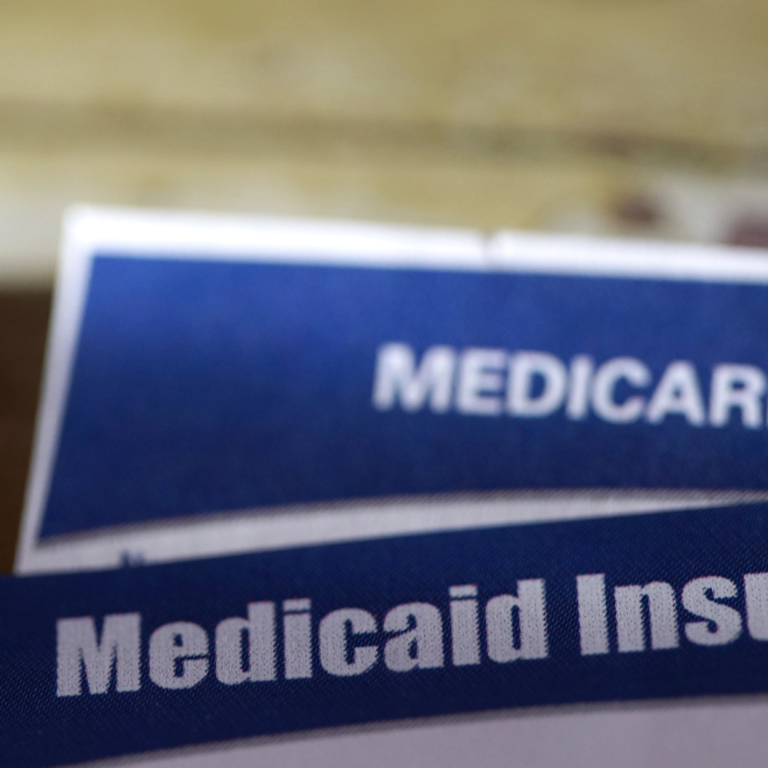
Irvine Couple Accused of Patient Identity Theft in Alleged Insurance Fraud Scheme
November 17, 2025 | JacobiJournal.com – Authorities in California have charged an Irvine husband-and-wife team with multiple counts of identity theft and medical insurance fraud. Investigators say the couple allegedly used stolen patient information to file fraudulent claims with insurers, potentially affecting dozens of patients. The case highlights a growing concern in healthcare: unauthorized access to patient records can fuel insurance fraud schemes that impact both patients and providers. How Did the Alleged Scheme Work? According to law enforcement reports, one spouse allegedly accessed patient records from a local medical practice without permission. That information was reportedly used by the other spouse to create fraudulent medical claims, including tests and procedures that were never performed. Officials estimate the intended financial loss to insurance companies could reach tens of thousands of dollars, though the case is ongoing and subject to court proceedings. Why This Case Matters Insurance fraud that involves stolen patient identities is not just a financial crime — it can harm real patients, who may face incorrect medical records, unexpected billing issues, or credit complications. For insurers and providers, such schemes reinforce the importance of strong data access controls, routine audits, and robust fraud detection systems. What Can Patients Do to Protect Themselves? By staying vigilant and proactively monitoring their medical and insurance information, patients can significantly reduce the risk of falling victim to identity theft and fraudulent billing. Taking these steps not only protects personal financial and medical records but also helps support the integrity of the healthcare system as a whole. Remaining informed and cautious ensures that any suspicious activity is addressed quickly before it escalates. For a detailed report on insurance fraud trends in California, visit: Insurance Fraud Organization. FAQs: About Irvine Couple Alleged Insurance Fraud What crimes are the Irvine couple charged with? They face charges including identity theft, medical insurance fraud, and conspiracy, according to authorities. How were patient identities allegedly stolen? Authorities say the couple accessed patient records at a medical practice without authorization and used that information to submit fraudulent claims. What impact does insurance fraud have on patients? Stolen identities can lead to incorrect medical records, unauthorized bills, and potential credit issues, affecting patients long-term. How can healthcare providers prevent identity-based insurance fraud? Providers can enforce access controls, audit trails, and employee training while implementing fraud-detection software to flag unusual claims. Stay informed and subscribe to JacobiJournal.com for the latest investigative reporting on healthcare and insurance fraud. 🔎 Read More from JacobiJournal.com:
$51M Judgment in Fraud Scheme Targeting Older Adults
November 14, 2025 | JacobiJournal.com — Investment fraud targeting seniors has led to a nearly $51 million judgment against Safeguard Metals LLC and its owner, Jeffrey Ikahn, after authorities determined they operated a fraudulent scheme targeting older and retirement-aged investors. The scheme involved deceptive sales practices for precious metals, causing substantial financial losses for victims and raising questions about regulatory oversight in investments marketed to seniors. How the Fraud Occurred Investigators found that Safeguard Metals engaged in investment fraud by misrepresenting the value, liquidity, and investment potential of gold and other precious metals to older adults. High-pressure sales tactics and misleading documentation encouraged seniors to invest large sums under false pretenses, while the company failed to provide accurate disclosures or timely account statements. What the Implications Are This case highlights the financial vulnerabilities of older investors and the risks posed by investment fraud and other predatory investment schemes. Regulatory bodies, including the Iowa Insurance Division, emphasize the importance of: For insurers and retirement plan administrators, the case serves as a reminder that investment fraud in alternative investments can create indirect exposure for fiduciaries and financial service providers. Why It Matters Elder financial fraud not only causes significant monetary loss but can also undermine trust in financial systems. The Safeguard Metals judgment underscores the need for rigorous compliance, consumer protection measures, and proactive monitoring of high-risk investment products. Advisors and plan sponsors are urged to educate clients and beneficiaries about potential scams targeting older adults. Understanding the patterns and warning signs of investment fraud is crucial for both investors and those who serve them. Seniors and retirement-aged individuals are often targeted due to limited familiarity with complex financial products, making them especially vulnerable to misleading claims and high-pressure sales tactics. Educating clients about typical red flags—such as promises of unusually high returns, lack of transparency in fees, or pressure to invest quickly—can prevent substantial losses. Furthermore, staying informed about recent enforcement actions, like the Safeguard Metals case, can help stakeholders anticipate emerging fraud schemes and adjust their risk management strategies accordingly. Encouraging open communication between advisors and clients about suspicious offers strengthens protection and empowers older investors to make safer financial decisions. Furthermore, staying informed about recent enforcement actions, like the Safeguard Metals case, can help stakeholders anticipate emerging fraud schemes and adjust their risk management strategies accordingly. Encouraging open communication between advisors and clients about suspicious offers strengthens protection and empowers older investors to make safer financial decisions. Ultimately, combating investment fraud requires a combination of awareness, education, and proactive oversight. By prioritizing these measures, financial professionals and seniors alike can reduce the likelihood of losses, maintain confidence in the financial system, and support a more secure retirement environment. Learn more — For official details, see the Iowa Insurance Division announcement. FAQs: Investment Fraud Targeting Seniors What is Safeguard Metals LLC accused of? Operating a scheme that misled older investors about precious metal investments, resulting in substantial financial losses. How much money was involved in the judgment? The court ordered nearly $51 million in restitution and civil penalties for victims and enforcement purposes. Why are precious metal schemes risky for retirees? They often involve complex valuations, low liquidity, and deceptive marketing, making them high-risk for retirement-aged investors. What steps can seniors take to protect themselves from fraud? Conduct due diligence, verify credentials of sellers, seek guidance from licensed financial advisors, and report suspicious offers to state regulators. How can regulators prevent fraud targeting older adults? By enforcing strict disclosure rules, auditing investment firms, monitoring marketing practices, and educating the public on common scams. Stay informed — subscribe to JacobiJournal.com for investigative coverage on financial fraud, insurance compliance, and consumer protection. 🔎 Read More from JacobiJournal.com:
Funeral Director Pleads Guilty to Fraud and Mishandling Remains
November 10, 2025 | JacobiJournal.com — Funeral Director Fraud has been exposed in Hull, UK, as Robert Bush, a local funeral director, pleaded guilty on November 10, 2025, to 36 offenses including fraud and mishandling human remains. Investigations revealed that Bush accepted payments for funeral services without performing lawful burials for at least 30 deceased individuals. In multiple instances, he provided unidentified ashes to the families of stillborn babies. The case exposes serious vulnerabilities in funeral-service oversight, consumer protection, and related insurance claims. How the Fraud Occurred Authorities discovered that Bush systematically exploited grieving families by accepting payments without performing the required funeral services. His actions, which included falsifying cremation records, fabricating documentation, and providing ashes that did not belong to the deceased, are a clear example of funeral director fraud and its impact on families and the industry. What This Means for Oversight and Compliance This case underscores the importance of regulatory enforcement, audit controls, and ethical compliance in the funeral industry. Funeral homes and insurance providers should ensure: This case also highlights the need for training staff to recognize signs of misconduct and for industry leaders to establish clear reporting channels. By fostering a culture of accountability, funeral homes and insurers can reduce the risk of funeral director fraud and protect families from financial and emotional harm. Why It Matters The Bush case demonstrates the risks that arise when oversight is weak. For insurers, fraudulent funeral claims can create significant financial exposure. For regulators and consumer advocates, it underscores the importance of strict monitoring and compliance programs to prevent funeral director fraud and protect vulnerable families from both financial and emotional harm. Cases like Bush’s show that weak oversight not only harms families but also creates opportunities for funeral director fraud to go undetected. Strengthening licensing requirements, conducting regular audits, and verifying all services and payments can help prevent similar misconduct and maintain trust in the funeral industry. Learn more and read the detailed coverage here. FAQs: Funeral Director Fraud and Misconduct What crimes did the Hull funeral director commit? Robert Bush pleaded guilty to fraud and mishandling human remains, including accepting payments for services he did not perform and providing unidentified ashes to families. How did authorities uncover the fraud? Investigations were triggered by discrepancies in burial and cremation records, complaints from families, and irregularities in service documentation. Can funeral fraud affect insurance claims? Yes. Insurance providers can face financial exposure if services are misrepresented or false claims are submitted, highlighting the need for verification and auditing of claims. What steps can regulators take to prevent similar cases? Regulators can implement stricter licensing, conduct regular audits of funeral homes, enforce transparent documentation requirements, and monitor high-risk providers. Why is oversight important in the funeral industry? Weak oversight can allow unethical practices, financial exploitation of grieving families, and legal violations, making strict regulatory controls and compliance programs essential. Subscribe to JacobiJournal.com for investigative reporting on insurance fraud, compliance risks, and consumer-protection issues. 🔎 Read More from JacobiJournal.com:
Fraudulent Claims Under India’s Ayushman Bharat Expose Risks for Large Health-Insurance Programs
November 7, 2025 | JacobiJournal.com — Ayushman Bharat has recently faced scrutiny after authorities detected a surge in suspicious health-insurance claims. India’s flagship programme, designed to provide comprehensive hospital coverage for millions of families, reportedly paid hundreds of millions of rupees for treatments that either did not occur, were misrepresented, or duplicated. This pattern highlights vulnerabilities in large-scale health-insurance programs, particularly when claim verification and auditing processes are under-resourced. What This Means for Health-Insurance Oversight The scale of the fraud demonstrates that even government-backed programs are susceptible when internal controls are weak. Key risk areas include: For insurers, self-insured employers, and plan administrators globally, the Ayushman Bharat experience serves as a cautionary example of the importance of robust auditing and compliance mechanisms. Why It Matters Globally Fraudulent claims not only threaten financial sustainability but also undermine public trust and program integrity. Large benefit programs must ensure strong oversight: verifying enrolment, validating claims, auditing providers, and maintaining accurate records are essential practices to prevent misuse. Lessons from India resonate for employers, health systems, and government agencies worldwide that manage large-scale insurance schemes. For the original report, see the BMJ coverage of Ayushman Bharat’s fraud findings: BMJ Article on Ayushman Bharat Fraud. FAQs: Ayushman Bharat Health‑Insurance Fraud What is Ayushman Bharat and how does it work? Ayushman Bharat is India’s flagship health-insurance program providing hospital coverage for low- and middle-income families. Beneficiaries receive financial protection for inpatient care, with annual limits per family. Its scale makes robust verification and compliance essential to prevent misuse. How much fraud has been reported under Ayushman Bharat? Authorities have identified hundreds of millions of rupees in fraudulent claims, including duplicate billing, treatment for non-existent patients, and misrepresentation of services. This underscores systemic vulnerabilities in large-scale health-insurance programs. Why is large-scale health insurance prone to fraud? High-volume claims processing, insufficient provider oversight, and delayed audits create opportunities for errors or intentional misuse. Programs without strong verification mechanisms are particularly at risk. What lessons can other health insurers or employers learn from this case? Large-scale insurance programs must implement rigorous provider credentialing, real-time claims monitoring, data analytics to detect anomalies, and frequent audits. Transparency and documentation are key to minimizing fraud exposure and ensuring program integrity. What steps is the Indian government taking to prevent health-insurance fraud, and how does this compare to U.S. oversight? India’s government is tightening audit systems under the Ayushman Bharat program by using digital claim verification, biometric patient tracking, and AI-driven fraud-detection tools. These efforts mirror initiatives in the United States, where health-insurance fraud prevention also relies on real-time analytics, provider credentialing, and post-payment audits led by agencies such as the Centers for Medicare & Medicaid Services (CMS) and the Office of Inspector General (OIG). Both countries are emphasizing data transparency, algorithmic monitoring, and stronger provider accountability to safeguard public insurance funds. Stay informed — subscribe to JacobiJournal.com for investigative reporting on insurance fraud, compliance, and risk management. 🔎 Read More from JacobiJournal.com:
Employer-Sponsored Health Premiums Rise Sharply in 2025 — Cost Drivers, Compliance Risks, and Fraud Exposure
November 5, 2025 | JacobiJournal.com — Employer-sponsored health insurance premiums across the United States rose by an estimated 6% in 2025, reaching an average of $27,000 for family coverage, according to new findings from the Kaiser Family Foundation’s Employer Health Benefits Survey. The surge—driven by escalating prescription drug prices, chronic-condition care, and utilization volatility—is prompting closer scrutiny from employers, insurers, and regulators across California. How Rising Health Insurance Premiums Are Reshaping Employer Health Plans The upward trend in health insurance premiums is largely attributed to high-cost prescription drugs, especially GLP-1 medications prescribed for diabetes and weight management, along with expanded telehealth coverage and increased post-pandemic claim activity. Employers are reporting a noticeable rise in million-dollar claims, often associated with complex treatments, specialty infusions, and long-term rehabilitation. To contain costs, many California-based companies are adjusting benefit structures, introducing stricter utilization-review protocols, and reassessing pharmacy benefit manager (PBM) contracts. These strategies aim not only to curb overspending but also to detect irregularities and potential fraudulent billing patterns—an area that has attracted heightened legal attention in recent audits. What Employers and Insurers Are Doing to Maintain Compliance Across the state, employers and third-party administrators are initiating compliance audits to ensure adherence with both ERISA and California Department of Insurance regulations, particularly as rising health insurance premiums increase oversight demands and financial accountability. Health-care attorneys warn that benefit misstatements, misclassified claims, or duplicate submissions can trigger enforcement actions under California’s insurance fraud statutes, especially as rising health insurance premiums draw closer scrutiny from regulators and employers alike. Industry observers note that several insurers have begun implementing AI-based fraud detection tools to flag anomalies in high-dollar claims and outlier provider billing behaviors. These reviews not only protect plan solvency but also help stabilize rising health insurance premiums, ensuring employees receive legitimate, medically necessary services. Why Rising Health Insurance Premiums Matter for Employers and Policyholders The steady increase in health insurance premiums signals long-term financial strain on employer-sponsored coverage models. For employees, higher costs often translate to reduced coverage tiers, limited provider networks, and larger out-of-pocket expenses. For insurers and compliance officers, the spike underscores the urgent need to integrate fraud prevention and regulatory oversight into every level of claims administration. Legal analysts predict that 2026 could see a rise in disputes over benefit determinations, reimbursement accuracy, and false claim allegations. In California’s highly regulated environment, where medical-legal scrutiny is already intense, stakeholders are being urged to strengthen documentation, improve data transparency, and proactively address potential fraud vulnerabilities — especially as rising health insurance premiums heighten the need for stricter oversight and compliance. Industry Analysts: Transparency and Oversight Are Key Health-policy experts emphasize that transparency—particularly in pharmacy pricing and administrative fees—is critical to rebuilding trust among plan participants. Employers are encouraged to demand full PBM reporting, audit claims data quarterly, and verify that high-cost treatments meet evidence-based medical standards. “Employers cannot afford to take a passive role in benefit oversight,” notes a California-based benefits attorney. “The intersection of premium inflation and fraud exposure is a compliance flashpoint that will define 2026.” For a detailed review of the 2025 Employer Health Benefits Survey, visit the Kaiser Family Foundation’s official report. FAQs: About the Employer Health Premiums Why are employer health insurance premiums increasing in 2026? Premiums are rising due to medical inflation, high-cost prescription drugs, and increased chronic-care utilization. Analysts estimate medical inflation in 2026 to range between 6% and 8%, driven by pharmacy spending and post-pandemic care demands. What is the average employee health insurance cost per month? According to national survey data, the average monthly cost for employee health insurance in 2026 is approximately $2,250 per family or $700 per single employee, with California averages trending slightly higher due to regional cost of care and regulatory factors. How does medical inflation affect employer-sponsored plans? Medical inflation directly influences annual premium adjustments. Rising hospital costs, specialty drug utilization, and administrative expenses all contribute to higher plan renewals and benefit reductions. Employers that fail to monitor these trends risk compliance gaps or inflated claims linked to billing errors and potential fraud. What is the projected medical trend for 2026? The medical trend for 2026 indicates continued cost acceleration across employer and commercial health markets. Analysts expect mid-single-digit growth, with notable increases in specialty pharmacy and chronic-disease management spending. Employers are urged to audit claims data quarterly to identify cost drivers and prevent misuse. Are fraud risks rising alongside premium costs? Yes. As claim volumes and costs climb, so do opportunities for overbilling, misclassification, and false claims. Insurers are responding with AI-driven fraud detection systems and enhanced compliance monitoring. How does this affect California employers? California employers face unique compliance pressures due to overlapping state and federal oversight. Failure to detect inaccurate or fraudulent claims could lead to violations under California Insurance Code §1871.4 and ERISA reporting provisions. What steps can employers take to mitigate fraud exposure? Employers should conduct regular benefit audits, verify provider billing practices, and review pharmacy benefit manager (PBM) contracts for transparency. Legal and compliance teams should document findings to ensure adherence with both state and federal insurance laws. Stay informed — subscribe to JacobiJournal.com for timely updates on insurance compliance, employer liability, and fraud prevention. 🔎 Read More from JacobiJournal.com:
Insurer Cannot Escape Massage Therapist’s Coverage Obligations, Court Rules
November 3, 2025 | JacobiJournal.com — A recent court decision has reaffirmed that insurer coverage obligations cannot be ignored or withdrawn simply because a carrier abandons a related legal pursuit.The ruling involved a massage therapist who sought defense and indemnity under her professional-liability policy after being accused of misconduct during a client session. Court Says Contract Obligations Remain Intact The insurer argued that because it had discontinued a subrogation claim connected to the incident, it was no longer obligated to cover the therapist’s defense or potential settlement costs. The court rejected that argument, underscoring the insurer coverage obligations that remain once a claim is triggered. In its written opinion, the judge emphasized that contractual coverage cannot “evaporate at the convenience of the insurer.” Once a policyholder has reported a covered event and met the terms of notice and cooperation, the insurer’s duty to evaluate and respond remains enforceable until formally resolved under the policy. Case Highlights Key Lessons for Professional Liability Policies This decision offers a timely reminder that insurer coverage obligations extend beyond litigation strategy, reinforcing the permanence of professional-liability protection for practitioners. For small business owners and independent professionals—such as massage therapists, chiropractors, and wellness practitioners—the judgment reinforces that coverage protections endure unless specifically terminated in writing and consistent with state insurance law. Legal analysts note that the ruling may deter insurers from using procedural maneuvers to avoid paying legitimate claims, especially when policyholders depend on professional-liability coverage to stay in business. Industry Implications Experts say the decision will likely influence how carriers interpret insurer coverage obligations in future cases involving wellness and healthcare professionals. “The court is sending a clear message—once a risk is underwritten, you can’t selectively abandon coverage because litigation strategy changes,” said an insurance law consultant following the case. The case could also prompt insurers to tighten subrogation clauses or modify language around continuing obligations after legal actions are dropped. Broader Legal Context Across the U.S., courts have increasingly emphasized insurer accountability in professional-liability disputes. This mirrors recent trends in healthcare, beauty, and wellness sectors, where practitioners often rely on hybrid business-owner and malpractice policies that contain overlapping clauses. Policyholders are advised to keep written documentation of all communications with insurers and ensure that coverage denials are backed by explicit contractual authority. For more background on how professional-liability coverage operates, visit the National Association of Insurance Commissioners (NAIC). FAQs: About Massage Therapist Insurance Coverage Why was the insurer denying coverage? The company argued that its withdrawal from a subrogation claim ended its duty to cover the massage therapist’s defense costs. The court disagreed, citing the ongoing contractual obligation under the policy. What did the court ultimately decide? The judge ruled that coverage obligations cannot be undone simply because an insurer abandons a related lawsuit. The insurer must still honor its policy duties. What does this ruling mean for insurer coverage obligations? It clarifies that insurer coverage obligations persist even when a related subrogation or legal action is dropped, protecting policyholders under active liability coverage. Could insurers appeal or change their policies after this decision? Yes. While appeals are possible, insurers may instead revise policy wording to clarify post-litigation terms related to insurer coverage obligations and reduce ambiguity in future claims. Subscribe to JacobiJournal.com for the latest coverage of insurance rulings, healthcare liability cases, and professional-risk litigation shaping state and federal precedent. 🔎 Read More from JacobiJournal.com:
Federal Judge Blocks Insurer’s Early Exit in Gas Explosion Liability Case
October 31, 2025 | JacobiJournal.com — A federal court has ruled that a major insurer must remain in a coverage dispute tied to a devastating gas explosion at an industrial site, rejecting the company’s request to withdraw before the facts of the case are fully determined. The ruling underscores how courts interpret insurance obligations when catastrophic property losses and personal injury claims arise from industrial incidents. Legal analysts note that the decision may shape how liability policies are enforced in similar high-risk situations, particularly where multiple contractors or equipment suppliers are involved. Insurer Required to Maintain Defense The case centers on a 2022 gas leak that led to a massive gas explosion, injuring several workers and destroying nearby structures. The insurer argued that the event was excluded under its policy’s hazardous-materials clause, but the court found that the underlying complaint raised potentially covered allegations — enough to require the company to stay in the case for now. “The duty to defend is triggered whenever there’s a possibility of coverage,” the judge wrote, emphasizing that insurers must remain active participants until the factual record is complete. Policy Ambiguity and Broader Industry Impact Insurance analysts say the decision could have ripple effects across the property and casualty market, especially for carriers managing industrial or construction portfolios. The ruling underscores how ambiguous exclusion language can expose insurers to extended litigation and defense costs. Legal experts also point out that courts are increasingly hesitant to grant “early exit” motions in coverage disputes involving environmental or industrial hazards, where causation often remains unclear until trial. In the aftermath of the gas explosion, both policyholder and insurer are expected to present competing interpretations of coverage terms related to negligence, equipment failure, and third-party liability. Industry observers note that these arguments often set legal precedents that shape how future catastrophic loss claims are handled under commercial general liability policies. What It Means for Policyholders For business owners, the ruling is a reminder to review policy wording carefully — particularly clauses addressing leaks, gas explosion incidents, and equipment failure. Risk managers should maintain documentation of maintenance, safety inspections, and vendor compliance to prevent coverage denials tied to alleged negligence. For more on how insurers assess catastrophic gas explosion coverage and related liability claims, see the Insurance Information Institute’s resource on liability here. FAQs: Gas Explosion Insurance Coverage Case Why did the court reject the insurer’s motion? Because the lawsuit included allegations that could fall under the policy’s general liability coverage, requiring the insurer to stay in the case. What type of policy was involved? A commercial general liability policy covering property damage and bodily injury from accidental events. How does this decision affect insurers? It limits their ability to withdraw early from complex industrial coverage disputes, forcing them to defend until facts are clarified. What should businesses learn from this? Ensure maintenance records, safety audits, and risk-management documentation are current to minimize disputes over coverage and negligence. Stay informed on coverage litigation and insurer-liability rulings — subscribe to JacobiJournal.com for weekly legal insights. 🔎 Read More from JacobiJournal.com:
Decade-Old Car Crash Reopened as $3 Million Insurance Fraud
October 29, 2025 | JacobiJournal.com – Gujarat insurance fraud investigators have reopened a decade-old fatal car crash after uncovering what authorities describe as a ₹25 crore (≈ $3 million USD) insurance scam. Officials say the case, centered in Gujarat, exposes a coordinated effort to falsify accident reports and life-insurance records. Crash Reclassified After Forensic Review New forensic analysis and witness testimony revealed that the deceased businessman—long assumed to have been the driver—was actually a passenger. Officials say the original accident report was falsified to disguise who was at the wheel, enabling relatives and associates to file a lucrative life-insurance claim. Investigators noted that this finding could be a turning point in the Gujarat insurance fraud case, exposing how falsified crash records and fake IDs fueled one of the state’s largest insurance scams in recent years. Fabricated Evidence, Coordinated Cover-Up According to state police, multiple individuals collaborated to alter medical records, accident diagrams, and identification documents. Investigators are reviewing whether insurance intermediaries or local officials knowingly validated the false claim. High-Value Policy Triggered Decade-Long Deception The ₹25 crore policy was issued through a private insurer in 2015, and payout occurred within months of the crash. Authorities believe proceeds were laundered through shell entities and layered bank accounts to obscure their source. Broader Impact on Fraud Detection Systems Analysts note that the case highlights persistent weaknesses in India’s death-verification process and the limitations of paper-based insurance documentation. Anti-fraud experts are urging insurers to integrate centralized digital claims-tracking systems. “Delayed detection remains a core vulnerability—especially where medical, police, and insurer databases operate in silos,” said a Mumbai-based insurance-risk consultant. Regulatory Response Expected The Insurance Regulatory and Development Authority of India (IRDAI) has requested a full audit of similar high-value payouts from the same insurer. Future reforms may require mandatory biometric verification for all fatal-claim disbursements. For continuing updates on India’s insurance-fraud investigations, visit The Times of India’s Insurance Section. FAQs: Gujarat Insurance Fraud Case Why was the Gujarat insurance fraud car crash case reopened? Investigators discovered new forensic evidence indicating the deceased was a passenger, not the driver, which invalidated the original claim narrative. How much money was allegedly defrauded? Authorities estimate the fraudulent life-insurance payout totaled approximately ₹25 crore (about $3 million USD). Who is leading the current investigation? The Gujarat Police Economic Offences Wing (EOW) is coordinating with the Insurance Regulatory and Development Authority of India (IRDAI). How does this case affect future insurance claims in India? It underscores the need for digital verification, biometric claimant authentication, and integrated fraud-detection systems among insurers. Stay informed and subscribe to JacobiJournal.com for ongoing investigative coverage of global insurance-fraud cases. 🔎 Read More from JacobiJournal.com:
Reality TV Star Steven McBee Sr. Sentenced to 24 Months in Prison for $3.15M Crop Insurance Fraud
October 27, 2025 | JacobiJournal.com — Steven McBee Sr., known from Bravo’s McBee Dynasty: Real American Cowboys, has been sentenced to 24 months in federal prison after being convicted of a multimillion-dollar crop insurance fraud scheme. The U.S. District Court in Kansas City, Missouri, also ordered McBee to pay $4,022,124 in restitution to the federal government. Fraudulent Claims Exposed Between 2018 and 2020, Steven McBee submitted falsified reports to Rain and Hail Insurance, underreporting his corn and soybean yields. These manipulations led to over $3.15 million in improper federal crop insurance payments. The scheme represents a significant abuse of federal agricultural programs and underscores the need for rigorous oversight. From Reality Star to Convicted Fraudster Once celebrated for showcasing his family’s ranching operations on national television, McBee’s fall highlights how high-profile figures can exploit agricultural programs. This case also brings attention to the broader risks of fraud within federally-backed insurance systems. Industry Takeaways Agricultural insurance experts stress that this conviction illustrates the necessity for more robust auditing and verification measures. McBee’s case could serve as a precedent for stricter enforcement and increased penalties for fraudulent claims in crop insurance. For more details on the case, see the People.com report. FAQs: Steven McBee Crop Insurance Fraud What did Steven McBee Sr. do to commit fraud? He underreported his corn and soybean yields to obtain more than $3.15 million in federal crop insurance payments. What penalties did he receive? McBee was sentenced to 24 months in federal prison and must pay $4,022,124 in restitution. Why is this case significant? It highlights potential vulnerabilities in federally-backed crop insurance programs and emphasizes the importance of rigorous oversight. How does this affect the agricultural industry? The case signals a warning to farmers and insurers about the consequences of falsifying records and may lead to stricter auditing procedures. Subscribe to JacobiJournal.com for timely updates on insurance fraud, regulatory enforcement, and investigative reporting. 🔎 Read More from JacobiJournal.com:
Ford Asbestos Lawsuit Dismissed by Ohio Appeals Court
October 24, 2025 | JacobiJournal.com — An asbestos lawsuit against Ford Motor Co. has been dismissed by an Ohio appellate court, which found the product liability claims were improperly filed in state court. The ruling determined that the alleged exposure lacked sufficient connection to Ford’s Ohio operations, marking a significant jurisdictional win for the automaker. Court Reaffirms Jurisdictional Limits in Asbestos Litigation The panel held that the plaintiffs failed to establish sufficient ties between the alleged asbestos exposure and Ford’s Ohio operations, leading to the dismissal of the asbestos lawsuit. The court emphasized that jurisdictional rules under state and federal law prevent forum-shopping in asbestos lawsuits, especially when plaintiffs or exposure incidents occurred outside Ohio. Legal experts note that this Ford asbestos lawsuit decision reinforces the tightening standards for product liability jurisdiction in complex toxic tort cases. Ford’s Legal Victory Reflects Tightening Product Liability Landscape Ford’s defense argued that allowing the case to proceed in Ohio would violate due process standards. The appellate court agreed, reinforcing strict venue and jurisdiction criteria that often protect manufacturers from out-of-state claims. The ruling is consistent with a growing judicial trend emphasizing nexus and forum appropriateness in complex tort actions. For insurers and corporate counsel, this case serves as a reminder that forum selection challenges remain a potent defense strategy in high-liability product cases. Implications for Insurers and Product Liability Defendants The decision highlights how jurisdictional control can affect insurance exposure and settlement dynamics in asbestos-related litigation. Insurers underwriting historical exposure policies may now see reduced defense obligations when jurisdiction is successfully contested. Industry observers suggest this may influence future coverage strategies, particularly in multi-state liability scenarios. For additional legal analysis, visit Bloomberg Law’s coverage of product liability jurisdictional trends. FAQs: Ford Asbestos Lawsuit Dismissal (2025) What was the basis for the Ford asbestos lawsuit dismissal? The Ohio appeals court found the case lacked sufficient jurisdictional ties to Ohio, meaning the lawsuit should not have been filed in that venue. How does this ruling affect future asbestos litigation? It reinforces stricter venue requirements, discouraging plaintiffs from filing in states where the alleged exposure did not occur. Does the decision impact insurance carriers? Yes. Insurers may face reduced defense costs when jurisdictional challenges succeed, limiting their exposure in unrelated forums. What precedent does this set for corporate defendants? It strengthens the argument for corporations to challenge out-of-state filings, particularly in legacy asbestos and toxic tort cases. Subscribe to JacobiJournal.com for weekly updates on insurance litigation, appellate rulings, and liability enforcement. 🔎 Read More from JacobiJournal.com: