April 1, 2025 | JacobiJournal.com — Public Adjuster pleads Guilty: Andrew Aga, a public adjuster already serving time for defrauding Louisiana and Texas residents, pleaded guilty last week to defrauding Brotherhood Mutual Insurance Co. and a Georgia church. He stole millions after Hurricane Michael struck in 2018.
The Fraudulent Scheme
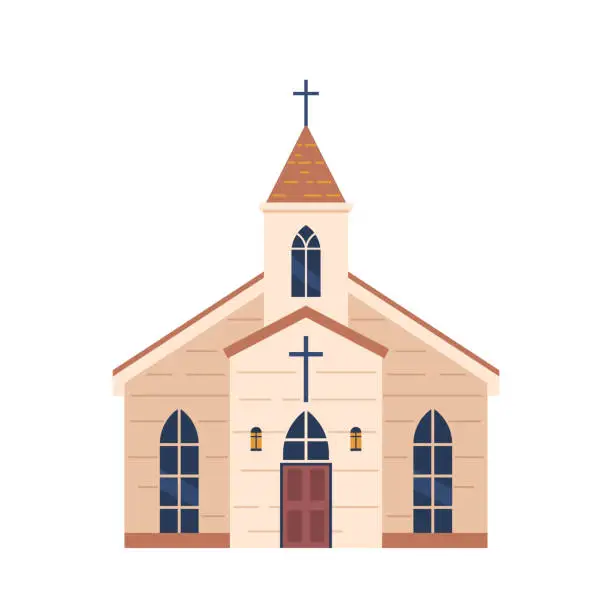
Aga, also known as Andrew Mitchell, defrauded Friendship Missionary Baptist Church in Albany, Georgia. The hurricane caused extensive damage, and Brotherhood Mutual Insurance paid the church $183,208 for repairs. A few days later, Aga and a construction company arrived, offering to maximize the settlement.
Aga, affiliated with various companies like Loss Consultants of Texas and Mitchell Adjusting International, convinced Brotherhood Mutual to send him over $6 million. He forged the church leaders’ signatures and kept a portion of the funds, forwarding only about one-third to the church. Public Adjuster Pleads Guilty
Background and Previous Convictions
Aga, from Kemah, Texas, had a history of fraudulent schemes. He targeted homeowners, churches, and others across Louisiana and Texas, stealing millions. In 2023, he received a 20-year prison sentence for previous scams.
Aga also left much of the church’s repair work unfinished. When the church questioned him, he falsely claimed the insurance company had withheld payments.
Legal Consequences
As part of his plea agreement in Georgia federal court, Aga faces up to 30 years in prison, restitution, and a $1 million fine.
A Shocking Betrayal
Acting U.S. Attorney Shanelle Booker expressed shock at the betrayal, particularly targeting a place of worship in the aftermath of a disaster. “The congregation trusted the defendant to help them repair their historic facility,” she said.
The Role of the Georgia Insurance Commissioner
Georgia Insurance Commissioner John King criticized Aga for exploiting victims already struggling with Hurricane Michael’s aftermath. Investigators held Aga accountable, ensuring justice for the church.
Aga’s License and Final Words
Aga, listed as a non-resident public adjuster in Georgia, had his license expire in 2022. Despite his criminal activities, he continued operating until authorities convicted him.
Source: Full Article by The Insurance Journal.
New Update: Public Adjuster Fraud Case Highlights $6 Million Hurricane Insurance Scheme Targeting Georgia Church
The public adjuster fraud case involving Andrew Aga, also known as Andrew Mitchell, remains a significant example of insurance fraud targeting disaster victims. In March 2025, Aga pleaded guilty in federal court to defrauding a Georgia church and its insurance company following Hurricane Michael, which caused extensive destruction across the southeastern United States in October 2018.
The prosecution involved Friendship Missionary Baptist Church in Albany, Georgia, and Brotherhood Mutual Insurance Company, which provided insurance coverage for damage sustained by the church during the hurricane.
Following the disaster, Brotherhood Mutual initially issued approximately $183,208 to assist with repairs to the damaged property.
Aga subsequently approached the church through his public adjusting activities, offering assistance with obtaining additional insurance compensation for hurricane-related damage.
According to federal prosecutors, Aga used his position as a public adjuster to gain the congregation’s trust while arranging insurance payments that ultimately exceeded $6 million.
The public adjuster fraud scheme involved forged signatures, unauthorized financial transactions, and the diversion of insurance proceeds intended to restore the church’s damaged facilities.
Investigators determined that Aga falsely represented his authority to receive and control insurance payments on behalf of the church.
Rather than ensuring that the insurance proceeds were used for their intended purpose, Aga retained substantial portions of the money and transferred only approximately one-third of the funds to the congregation.
The fraudulent activities created significant financial consequences for Friendship Missionary Baptist Church, which continued facing repair expenses despite the substantial insurance payments issued following Hurricane Michael.
Federal prosecutors also described how Aga misled church representatives about the status of insurance payments, falsely suggesting that the insurer had withheld funds.
The case illustrates how disaster recovery efforts can become vulnerable to insurance fraud when property owners rely on outside professionals to negotiate claims, coordinate repairs, and manage substantial financial settlements.
Aga’s guilty plea in Georgia followed earlier criminal proceedings involving fraudulent activities targeting homeowners and other property owners in Louisiana and Texas.
In 2023, Aga received a 20-year prison sentence in connection with previous fraud offenses. His subsequent Georgia prosecution addressed additional misconduct involving the church’s hurricane insurance proceeds.
At the time of his March 2025 guilty plea, Aga faced a potential sentence of up to 30 years in federal prison, along with restitution and financial penalties.
However, the maximum statutory sentence identified at the plea stage should not be confused with a sentence actually imposed by the court.
As of October 2026, Aga’s guilty plea and the previously reported criminal proceedings remain the basis for this update. A subsequent sentencing outcome in the Georgia case has not been independently established here.
The public adjuster fraud case also raises important questions about professional licensing, claims authorization, and the oversight of individuals entrusted with negotiating insurance settlements.
Public adjusters generally represent policyholders during the insurance claims process. Their responsibilities may include documenting property damage, communicating with insurers, and assisting policyholders in pursuing covered losses.
These responsibilities require transparency concerning compensation arrangements, authority to receive payments, and the handling of funds intended for property restoration.
Insurance companies and policyholders can reduce exposure to fraudulent activity by independently verifying authorization documents, confirming payment instructions, and maintaining clear records of settlement transactions.
The case also demonstrates why churches, nonprofit organizations, and other community institutions should carefully review agreements involving substantial disaster recovery payments.
The continuing significance of the public adjuster fraud prosecution lies in its demonstration of how fraudulent claims practices can deprive disaster victims of resources needed to rebuild damaged properties.
FAQs: Public Adjuster Pleads Guilty
Why did the public adjuster plead guilty in Georgia?
He admitted to defrauding Brotherhood Mutual Insurance and a Georgia church after Hurricane Michael by forging documents and misusing funds.
How much money was involved when the public adjuster pled guilty?
The scheme involved over $6 million, with the church only receiving about one-third of the insurance settlement.
What penalties does the public adjuster face after pleading guilty?
He faces up to 30 years in federal prison, restitution payments, and a $1 million fine.
Did the public adjuster who pled guilty have prior convictions?
Yes, he previously received a 20-year sentence in 2023 for defrauding residents in Louisiana and Texas.
Stay informed on insurance fraud cases and public corruption updates — subscribe to JacobiJournal.com today.
🔎 Read More from JacobiJournal.com:
- Sugar Executive Charged With Stealing $28 Million From Mars Inc.
- San Diego Construction Firm Penalized $157K for Deadly Trench Collapse
- Miami Insurance Broker: Sentenced for Condo Premium Loan Fraud
- Texas Medicaid Insurer: Probed for Alleged Surveillance
- SEC Enforcement Priorities Shift Under New Leadership