California Insurance Bailout Risk Grows with Fire Danger
March 25, 2025 | JacobiJournal.com – California Insurance Bailout: As Los Angeles residents recover from one of the costliest natural disasters in U.S. history, California’s insurer of last resort, the FAIR Plan, faces mounting financial strain. With another hot and dry summer approaching, the risk of a future bailout looms large, potentially forcing state residents to cover additional costs. FAIR Plan Assessment Strains Resources Last month, the FAIR Plan required major insurers like State Farm, Allstate Corp., and Chubb Ltd. to contribute a combined $1 billion to replenish its reserves. This measure, known as an assessment, provided a rare glimpse into the program’s precarious financial health. California Insurance Bailout Little Cushion Left for Future Disasters Only three months into 2025, the FAIR Plan has little cash left to cover another potential disaster. California faces wildfires year-round, raising the possibility of additional assessments. “The risk is really clear,” said Sridhar Manyem, head of industry research at AM Best, a credit-ratings agency. “Depending on the severity of the next wildfire, there is the possibility of a future assessment.” Private Insurers Could Pass Costs to Policyholders Under newly updated regulations, private insurers must cover assessments. However, they can seek permission to pass up to half of the first $1 billion to policyholders in a given year. Beyond that threshold, policyholders may bear the full burden. Consequently, assessments could drive up premiums for California homeowners. California Insurance Bailout Climate Change Deepens Insurance Market Turmoil The growing financial pressures underscore the increasing risks faced by California property owners. Climate change is heightening uncertainty in the insurance market. The January Palisades and Eaton fires erupted just weeks after new state regulations took effect, designed to ease the crisis caused by insurers limiting new policies or exiting California altogether. State Farm’s 22% Emergency Rate Hike Adds Pressure State Farm, California’s largest home insurer, recently received provisional approval for a 22% emergency rate hike. The company cited multibillion-dollar payouts from the Los Angeles fires as a threat to its balance sheet and the broader insurance market. Utility Equipment Possibly Linked to Eaton Fire Pedro Pizarro, CEO of Edison International, acknowledged that the company’s equipment might have played a role in the Eaton Fire. “California will always face some risk of a catastrophic fire,” Pizarro said, warning that these risks will create costs for consumers. FAIR Plan’s Financial Shortfall Poses Bigger Threat The FAIR Plan estimates liabilities related to the Palisades and Eaton fires at about $4 billion. Unlike private insurers, the FAIR Plan holds less cash because it covers high-risk properties that private insurers reject. This leaves it vulnerable to catastrophic events. If the FAIR Plan held reserves similar to private insurers, premiums would become unaffordable, said Dave Jones, California’s insurance commissioner from 2011 to 2019. Victoria Roach, FAIR Plan’s president, echoed this concern last year, warning that “our rates are not adequate.” Reinsurance Deductible Exceeds Available Cash In a February letter attached to the assessment order, Roach disclosed that the FAIR Plan faces a $900 million reinsurance deductible and must pay up to $3.5 billion (including the deductible) to access full reinsurance coverage. The plan only had $510 million of unallocated cash available, leaving a $400 million gap that could trigger another assessment. Consumer Advocates Warn of Growing Risks Carly Fabian, a policy advocate for Public Citizen, called the funding gap “pretty concerning” and warned that it “pretty much guarantees another assessment.” The FAIR Plan currently estimates that 45% of its claims from the fires are total losses. However, Jones suggested this percentage might be too low, potentially increasing the need for more funds. Consumer Watchdog Challenges Insurer Cost-Shifting A legal battle is brewing over the recent assessment. Consumer Watchdog, an advocacy group, called the charge a bailout for big insurers. The group has vowed to challenge insurers in court if they try to pass assessment costs to policyholders. “We don’t think it’s legal,” said Jamie Court, president of Consumer Watchdog. He argued that private insurers are allowed to operate in California based on the understanding that they will help maintain the FAIR Plan’s solvency. California Insurance Commissioner Defends New Regulations However, the California Department of Insurance rejected that view. Insurance Commissioner Ricardo Lara stated that holding insurers fully accountable for FAIR Plan assessments would drive more companies out of California. This would make insurance “much more unaffordable,” he warned during a hearing last week. Deputy Commissioner Michael Soller emphasized that the state’s new regulations incentivize insurers to take on more high-risk policies. He noted that companies can now use new risk-assessment tools only if they increase their coverage of high-risk properties. Goal: Shift Californians Back to Regular Insurance Market Soller stressed that the state’s ultimate goal is to move Californians out of the FAIR Plan, which offers limited coverage at higher costs, and back into the regular insurance market. “Nobody wants a FAIR Plan policy,” Soller said. FAIR Plan Growth Signals a Worsening Problem As private insurers retreat from California, more consumers have been forced to rely on the FAIR Plan. This shift creates a growing burden not just for homeowners in high-risk zones, but for the entire state insurance market. “The more people that are put into a system that is already struggling, the worse the struggles become,” said Douglas Quinn, executive director of the American Policyholder Association. “These are very, very difficult, challenging times for the insurance industry.” For further details on wildfire risk and insurance regulation, visit the California Department of Insurance. FAQs: California Insurance Bailout What is the California Insurance Bailout and why is it a concern? The California Insurance Bailout refers to financial risks when the FAIR Plan requires insurer assessments, potentially shifting costs to homeowners. How does climate change affect the California Insurance Bailout risk? Climate change intensifies wildfire frequency, increasing the likelihood of FAIR Plan shortfalls and raising the California Insurance Bailout risk. Can insurers pass FAIR Plan assessment costs to policyholders under the California Insurance Bailout system? Yes. Under new rules, insurers can pass up to half
Third Time’s No Charm as Insurance Agent Is Charged Again

March 21, 2025 | JacobiJournal.com – In an insurance fraud case, a Baltimore County grand jury has indicted Michael C. Okolo, of Parkville, Maryland, for theft of property valued at $100,000 or more. This marks the third indictment since September 2024 for Okolo, a former insurance agent and financial advisor. Maryland Attorney General Anthony G. Brown made the announcement following yesterday’s indictment. Previous Indictments: Theft and Insurance Fraud In September 2024, prosecutors charged Okolo with theft and insurance fraud in two cases: Case 1: Misuse of Client ChecksA client gave Okolo two partially blank checks to pay for insurance premiums. Instead of applying the checks to the policies, Okolo deposited them into his business account and used the money for personal and business expenses. Case 2: Acting Without a LicenseProsecutors charged Okolo with acting as an insurance agent without a license. They alleged that he continued to solicit and sell insurance products after the Maryland Insurance Administration (MIA) revoked his license in 2019. In Maryland, acting as an insurance agent without a license is a serious violation under state law, often leading to both criminal prosecution and permanent professional bans. The Maryland Insurance Administration (MIA) maintains strict oversight to protect consumers from fraudulent activity, and this insurance fraud case highlights how repeat violations can trigger restitution orders and even lengthy prison terms for offenders. New Case: Fraudulent Real Estate Investment While investigating the previous cases, MIA investigators discovered another incident. In October 2021, Okolo allegedly convinced another client to invest $100,000 in a “real estate partnership.” The client, trusting Okolo’s expertise, provided the funds. However, Okolo spent the money on unrelated personal and business expenses. Third Time’s No Charm Client’s Growing Suspicion The client grew suspicious after Okolo failed to produce $32,000 for closing costs on a real estate deal. When questioned, Okolo claimed the funds were in an escrow account. Yet, he refused to provide proof despite multiple requests. Upcoming Court Dates Okolo’s first two cases are set for trial on June 12, 2025, in the Circuit Court for Baltimore County. He will make his initial appearance in the third case on April 14, 2025. Legal Disclaimer A criminal indictment is merely an accusation. Okolo remains presumed innocent until the state proves his guilt beyond a reasonable doubt. This principle is a cornerstone of the American legal system, ensuring that defendants receive a fair trial and the opportunity to challenge the charges brought against them. An indictment only reflects that a grand jury found sufficient evidence to proceed with prosecution—it does not imply guilt or guarantee conviction. Ultimately, it is the responsibility of the court, through due process, to determine the outcome based on the evidence presented. For verified updates and resources on insurance fraud enforcement: Maryland Office of the Attorney General – Insurance Fraud Division. FAQs: Maryland Insurance Fraud Case What is the background of the Maryland insurance fraud case involving Michael Okolo? Okolo has been indicted three times since 2024 for theft, fraud, and acting as an agent without a license. How did prosecutors uncover the insurance fraud case related to real estate? Investigators found that Okolo misused $100,000 from a client under the guise of a real estate partnership. What penalties could result from this Maryland insurance fraud case? If convicted, Okolo could face severe fines, restitution orders, and potential prison time. When are the upcoming court dates for the insurance fraud case? The first two trials are scheduled for June 12, 2025, with an initial appearance in the third case set for April 14, 2025. Stay informed on major fraud prosecutions, financial crimes, and public integrity cases. Subscribe to JacobiJournal.com for expert coverage and legal insights. Read More from JacobiJournal.com
California Approves State Farm’s 22% Rate Hike—With Conditions
March 14, 2025 | JacobiJournal.com — A California insurance rate hike gained provisional approval as Insurance Commissioner Ricardo Lara signed off on State Farm’s request for a 22% homeowners insurance increase. However, the approval remains conditional, as the company must justify the hike with supporting data during a public hearing scheduled for April 8. State Farm’s Response to the Provisional Approval In a statement, State Farm acknowledged the decision but emphasized the need for long-term stability in the California insurance market, noting that the California insurance rate hike was a difficult but necessary step. “While the provisional nature of today’s decision does not provide full certainty, it is a step in the right direction,” the company stated. State Farm also confirmed that it would implement the provisionally approved rate while continuing discussions with the California Department of Insurance (CDI) to establish a sustainable path forward. The insurer reiterated its commitment to transparency, stating, “State Farm General has worked openly and honestly with all parties involved. We will continue monitoring capacity to support risks and build sufficient capital for the future.” Commissioner Lara’s Conditions for Approval Lara has also urged State Farm to halt non-renewals and seek a $500 million capital infusion. He warned that without addressing these financial issues, the California insurance rate hike could fail to deliver meaningful relief for policyholders. If upheld, the rate hikes would take effect on June 1, with increases including: State Farm stopped writing new policies in California in May 2023 and has already non-renewed thousands of existing policies. The Financial Justification for Rate Hikes Earlier this year, Lara had postponed approving the rate hike, instead calling a meeting with the company to obtain more details about its financial situation. At the time, State Farm cited significant underwriting losses as the primary reason for the requested increase. The company reported that for every $1 collected in premium, it has spent $1.26, leading to cumulative underwriting losses of over $5 billion in the past nine years. State Farm cited significant underwriting losses as the primary reason for the California insurance rate hike, pointing to billions in wildfire-related claims and ongoing payout pressures. As of February 14, the company reported 11,400 home and auto claims related to the fires, with payouts exceeding $1.35 billion. Insurers across California have already paid more than $12 billion for losses from the state’s two largest January wildfires, which destroyed tens of thousands of homes. “To resolve this matter, I am ordering State Farm to respond to questions in an official hearing, promoting transparency and a path forward,” Lara stated. “It is evident that other California insurers cannot absorb State Farm’s existing customers, which increases the risk of policyholders being forced onto the FAIR Plan, something we all want to avoid as we implement my Sustainable Insurance Strategy.” Consumer Watchdog’s Opposition to Insurance Rate Hike Consumer Watchdog, a consumer advocacy group, has opposed the emergency rate hike request since its submission. The group welcomed the public hearing, emphasizing that State Farm must provide clear evidence to justify the increase. “The commissioner called a hearing, just as Consumer Watchdog has been urging since State Farm made its unprecedented $900 million ‘emergency’ rate hike request,” the organization stated. “It’s a victory for consumers that State Farm must make its case before a judge. So far, the company has failed to back up its request, and unless they provide compelling proof, the outcome should be a rejection.” The Future of California’s Insurance Market As the state’s largest homeowners insurer, State Farm’s future actions will have broad implications for policyholders. If the rate increase stands, the company may continue operating in California. However, if denied, more non-renewals could follow, adding to the state’s ongoing insurance crisis. For more details on active insurance rate filings and consumer protections, visit the California Department of Insurance. FAQs: About the California Insurance Rate Hike What is the reason behind the insurance rate hike? State Farm cited billions in underwriting losses and wildfire-related claims as the primary drivers of its proposed increase. When will State Farm’s approved insurance rate hike take effect in California? If upheld, the rate hike would take effect on June 1, 2025, impacting homeowners, renters, and condominium policyholders. How does Commissioner Lara’s conditional approval affect policyholders? The conditional approval requires State Farm to justify the hike in a public hearing while halting non-renewals and seeking added financial capital. What role does Consumer Watchdog play in the California insurance rate hike process? Consumer Watchdog opposes the increase, pushing for transparency and requiring State Farm to present strong evidence at the upcoming public hearing. Stay informed on regulatory updates, insurance market shifts, and fraud investigations — subscribe today at JacobiJournal.com for breaking coverage. Read More from JacobiJournal.com
Iowa Sues Bitcoin Depot and CoinFlip Over Millions Lost in Crypto Scams

March 5, 2025 | JacobiJournal.com – Iowa crypto ATM scams have become the center of a legal battle, as Attorney General Brenna Bird filed lawsuits against Bitcoin Depot and CoinFlip, the state’s largest cryptocurrency ATM operators. The companies are accused of enabling millions in fraud by failing to implement safeguards, leaving vulnerable residents exposed to scams. The lawsuits follow a statewide investigation revealing that hundreds of Iowans, particularly seniors, lost significant amounts of money through these kiosks. Regulators argue that the operators profited from excessive fees while neglecting consumer protection obligations, allowing scams to thrive unchecked. State Investigation Uncovers Widespread Crypto Scams In October 2023, the Attorney General’s office launched a groundbreaking investigation into cryptocurrency ATM operators. Officials subpoenaed 14 companies, requesting a list of Iowans who had transferred money through the machines. Investigators then contacted these individuals, reviewed complaints, police reports, and self-reported scams. The findings were alarming: Hundreds of Iowans sent over $20 million through Bitcoin Depot and CoinFlip ATMs within less than three years. Most victims were over the age of 60. Attorney General Calls Out “Evil” Scammers Attorney General Bird condemned the scammers, stating: “Con artists are evil and will stop at nothing to steal everything you have. They specifically target older Iowans—some even comb through obituaries to find widows. They manipulate victims into using crypto ATMs, while these companies take a cut of the profits. It’s not just wrong—it’s illegal.” Bird emphasized her commitment to recovering stolen funds and forcing crypto ATM companies to implement safeguards. How Bitcoin Depot and CoinFlip Profit From Scams The investigation revealed that Bitcoin Depot pockets 23% of each transaction, while CoinFlip takes 21%—directly profiting from fraud victims. The lawsuits allege that both companies: Lawsuits Aim to Protect Iowans from Future Fraud Attorney General Bird is suing both companies for consumer fraud and demanding major changes in their operations. The broader investigation into crypto ATM companies remains ongoing. The lawsuits seek restitution for victims, stronger compliance standards, and safeguards to prevent scammers from exploiting crypto ATMs in the future. Regulators argue that without tighter oversight, Iowans—especially seniors—will remain vulnerable to financial predators who use these kiosks as tools for fraud. Protecting Consumers Moving Forward The outcome of these lawsuits could set a precedent for how states hold crypto ATM operators accountable in the future. By pushing for restitution and stronger oversight, Iowa officials aim not only to recover lost funds but also to create safeguards that protect vulnerable consumers from similar schemes. The broader investigation signals that regulators are taking an aggressive stance against companies that fail to stop scams, underscoring a growing demand for accountability in the rapidly expanding cryptocurrency market. As the cases against Bitcoin Depot and CoinFlip progress, Iowa crypto ATM scams remain a critical focus for regulators determined to curb fraud. The actions taken now may influence how other states respond, shaping consumer protection standards nationwide. For more resources on recognizing and avoiding fraud, visit the Consumer Financial Protection Bureau. FAQs: The Iowa Crypto ATM Scams and Lawsuits Why is Iowa suing Bitcoin Depot and CoinFlip? The state alleges both companies enabled Iowa crypto ATM scams by charging high fees and failing to protect consumers from fraud. Who were the main victims of Iowa crypto ATM scams? Most victims were seniors, with many losing life savings to scammers who exploited Bitcoin Depot and CoinFlip ATMs. How did Bitcoin Depot and CoinFlip profit from scams? The lawsuits claim Bitcoin Depot kept 23% and CoinFlip 21% of each transaction tied to Iowa crypto ATM scams. What legal actions are being taken to stop Iowa crypto ATM scams? Iowa’s Attorney General filed lawsuits under the Consumer Fraud Act, seeking restitution and new safeguards against future crypto scams. Stay informed on financial fraud, consumer protection, and legal cases that affect your rights. Subscribe to JacobiJournal.com for ongoing updates. 🔎 Read More from JacobiJournal.com:
Detroit Man Sentenced in $1 Million Unemployment Fraud Scheme

February 27, 22025 | JacobiJournal.com — A Detroit man has been sentenced to 51 months in prison for orchestrating a multi-state unemployment fraud scheme that stole nearly $1 million from government programs meant to assist struggling workers during the COVID-19 pandemic, officials announced. The unemployment fraud scheme led by Tracey Dotson exploited gaps in state and federal relief systems, using stolen identities and fraudulent claims to divert critical Pandemic Unemployment Assistance (PUA) funds. By targeting multiple states, the scheme not only caused significant financial loss but also delayed aid to thousands of eligible workers who relied on these programs during the pandemic. How the Fraud Unfolded According to court records, Tracey Dotson, 49, along with his co-conspirator, used stolen personal information to submit hundreds of fraudulent unemployment claims. Consequently, they funneled money from Michigan, Pennsylvania, and Maryland’s unemployment insurance programs into their own pockets. To access the stolen funds, they arranged for prepaid Bank of America debit cards—loaded with Pandemic Unemployment Assistance (PUA) funds—to be mailed to addresses in Michigan and Pennsylvania. Then, they swiftly withdrew and spent the money before authorities could detect the fraud. Unemployment Fraud Scheme Luxury Spending and Illegal Purchases Instead of using the funds legitimately, Dotson and his group spent more than $930,000 on designer clothing from Gucci and Louis Vuitton, high-end jewelry, drugs, a vehicle, and even a firearm. Meanwhile, thousands of deserving individuals struggled to receive assistance. Legal Consequences In April 2024, Dotson pleaded guilty to wire fraud and conspiracy to commit wire fraud. Consequently, U.S. District Judge Matthew F. Leitman sentenced him to 51 months in prison and ordered him to pay over $900,000 in restitution. Ongoing Investigation and Broader Crackdown Authorities, including the FBI, IRS-Criminal Investigation, and the Department of Labor’s Office of Inspector General, continue to investigate similar fraudulent activities. The government remains committed to prosecuting those who exploit public assistance programs. Read the full DOJ statement here. FAQs: About the Detroit Unemployment Fraud Scheme What was the Detroit unemployment fraud scheme? Tracey Dotson and a co-conspirator submitted hundreds of fraudulent unemployment claims across Michigan, Pennsylvania, and Maryland, illegally obtaining nearly $1 million in government funds. How did authorities uncover the unemployment fraud scheme? Investigators traced prepaid debit cards loaded with Pandemic Unemployment Assistance (PUA) funds and identified spending patterns, leading to federal charges for wire fraud and conspiracy. What penalties did Dotson face for the unemployment fraud scheme? He was sentenced to 51 months in federal prison and ordered to pay over $900,000 in restitution for illegally diverting unemployment benefits. Why is this unemployment fraud scheme significant? The case highlights the vulnerability of public assistance programs to organized fraud and underscores ongoing federal efforts to detect and prosecute financial crimes targeting relief programs. What are common examples of benefit fraud? Benefit fraud can include submitting false information on applications, using stolen identities, claiming benefits while employed, or inflating hours or income. In this case, Dotson and his co-conspirator used stolen personal information to submit hundreds of fraudulent unemployment claims. What happens if caught for benefit fraud? Individuals caught committing benefit fraud may face criminal charges, prison sentences, fines, and restitution. Tracey Dotson, for example, was sentenced to 51 months in prison and ordered to repay over $900,000. Stay informed on major fraud and financial crime enforcement — subscribe to JacobiJournal.com for in-depth coverage and breaking updates. 🔎 Read More from JacobiJournal.com:
Florida Grand Jury Finds No Criminal Activity in COVID Vaccine Development, but Raises Concerns

January 9, 2025 | JacobiJournal.com — COVID Vaccine Development: A Florida grand jury, convened at the request of Governor Ron DeSantis, has found no criminal wrongdoing in the development of COVID-19 vaccines. The grand jury’s report, unsealed on Tuesday, concluded there was no evidence of criminal activity. However, it did raise significant concerns about the process of vaccine development and safety monitoring in the U.S. Key Findings and Policy Recommendations While the grand jury did not uncover criminal actions, it highlighted serious issues with the vaccine process. As a result, the grand jury recommended increasing transparency in clinical trials and banning pharmaceutical advertisements. The CDC has defended the COVID-19 vaccines, emphasizing that they underwent rigorous safety checks. Even after FDA approval, these vaccines continue to be closely monitored to ensure safety. Public health experts note that the vaccines are effective in preventing severe disease, hospitalization, and death, with only rare serious side effects. DeSantis Requested Investigation Ahead of Presidential Bid Governor DeSantis initiated the investigation in 2022, aiming to challenge pandemic restrictions and gain national attention. He suggested that the probe could help hold wrongdoers accountable and provide more information from pharmaceutical companies on the vaccines and their potential side effects. Florida’s statewide grand juries typically focus on criminal activities and systemic issues, often issuing policy recommendations. Past investigations have addressed topics like immigration and school safety. You can read the original report from AP News. FAQs: COVID Vaccine Development What did the Florida grand jury conclude about COVID vaccine development? The Florida grand jury found no criminal wrongdoing in the COVID vaccine development process but highlighted transparency and monitoring concerns. Why did Governor DeSantis request a grand jury investigation? Governor Ron DeSantis requested the probe to challenge pandemic policies, increase scrutiny of pharmaceutical companies, and raise national awareness. What policy recommendations came from the grand jury? The report recommended more transparency in clinical trials and banning pharmaceutical advertising related to COVID vaccines. How have health agencies responded to the grand jury’s findings? The CDC and FDA reaffirmed that COVID vaccines were rigorously tested, continue to be monitored, and remain effective in preventing severe illness. Are COVID vaccines being restricted? COVID vaccines are not being restricted in Florida. They remain available statewide. What’s changing is the political scrutiny surrounding them, especially as leaders debate advertising limits and transparency rules. How do you look up COVID vaccine records in Florida? Florida residents can access their COVID vaccine records through the Florida SHOTS system or by requesting records from their doctor, local health department, or the pharmacy where they received the vaccine. Does Florida allow vaccine exemptions? Yes. Florida allows certain vaccine exemptions, including medical and religious exemptions. These exemptions apply mainly to school and workplace requirements, and they’ve become a point of discussion as state leaders continue to scrutinize COVID-19 policies. Stay informed on critical public health and legal updates. Subscribe to JacobiJournal.com today for trusted reporting on fraud cases, grand jury findings, and integrity investigations. 🔎 Read More from JacobiJournal.com:
Former California Insurance Agent Convicted for Stealing $3.7 Million in Premium Finance Fraud

January 7, 2025 | JacobiJournal.com — Premium finance fraud has again drawn regulatory attention in California, as a former insurance agent pleaded guilty to wire fraud after embezzling over $3.7 million from a premium finance company, according to a California Department of Insurance (CDI) investigation. The case highlights how vulnerabilities in loan verification and client data management can be exploited, underscoring the need for stricter oversight and enhanced auditing measures to prevent similar schemes in the insurance and finance sector. Tonja Van Roy’s Fraudulent Scheme Unveiled Tonja Van Roy, 59, who previously ran an insurance agency in Northridge, California, and now resides in Las Vegas, admitted to stealing millions from AFCO Credit Corporation. The fraudulent activities spanned from January 2021 to December 2023, during which Van Roy submitted numerous fictitious loan applications through AFCO’s system, leading to the disbursement of funds directly into her trust account. Former California Insurance Agent The investigation revealed that Van Roy fabricated details on the loan applications, including fake insurance policy numbers and forged signatures, and used two addresses she rented for multiple fictitious clients. She diverted the funds for personal luxury purchases and repaid initial loans with money from subsequent fraudulent loans, mimicking a Ponzi scheme. Van Roy’s actions resulted in AFCO disbursing about $3.7 million, of which approximately $1.8 million remains unpaid after some repayments using funds from newer fraudulent loans. Legal Proceedings and Next Steps The case, handled by the Major Frauds Section of the U.S. Attorney’s Office in Los Angeles, will see Van Roy return to court for sentencing on March 31. Former California Insurance Agent To read further, check out the full report on Business Insurance. FAQs: Premium Finance Fraud California What is premium finance fraud in California? Premium finance fraud in California occurs when individuals or agents manipulate loan applications, misappropriate funds, or falsify insurance details to illegally obtain money from finance companies. How did Tonja Van Roy commit the premium finance fraud? Van Roy submitted fictitious loan applications, forged signatures, and used multiple fake client addresses to embezzle $3.7 million from AFCO Credit Corporation. What are the legal consequences of premium finance fraud in California? Convictions can lead to significant prison time, fines, restitution orders, and permanent professional license revocation for insurance agents involved in fraudulent schemes. How can premium finance companies prevent fraud in California? Companies should implement strict verification processes, audit loan applications regularly, monitor for suspicious patterns, and train staff to recognize red flags in client submissions. What are some recent insurance agent fraud cases? Recent cases, like Tonja Van Roy’s $3.7 million embezzlement from AFCO Credit Corporation, illustrate how agents exploit loan verification vulnerabilities and client data, highlighting the need for stronger oversight. Stay informed on financial crime and enforcement updates. Subscribe to JacobiJournal.com for expert coverage of insurance fraud, premium finance schemes, and regulatory insights. 🔎 Read More from JacobiJournal.com:
Faith-Based Fund with $24 Billion in Assets Influences Corporate Policies in America
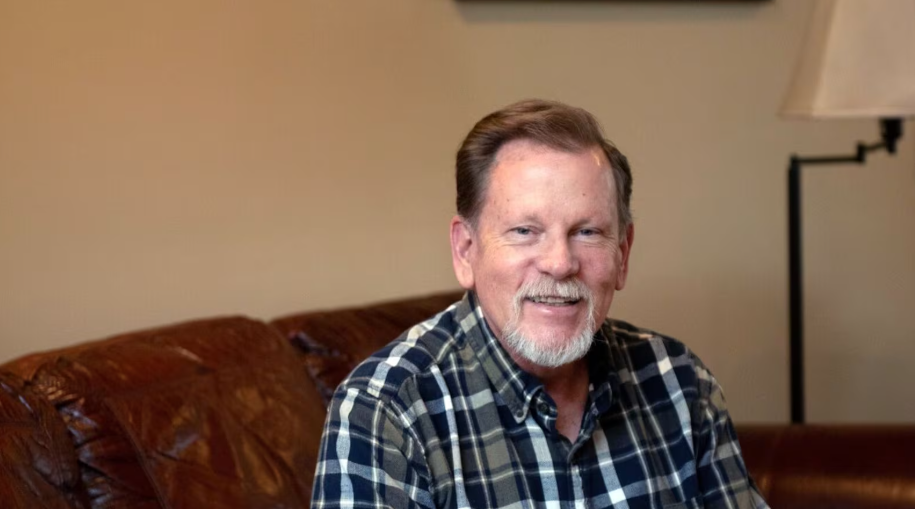
Jim Lake (Photo by Margaret Albaugh/Bloomberg) January 5, 2025 | JacobiJournal.com — Faith-Based Fund. Jim Lake, a devout Christian from Washington state, recently redefined his investment strategy. Guided by a financial adviser, he moved his portfolio into faith-oriented funds, including those managed by GuideStone Funds. This Texas-based firm, founded over 100 years ago, manages about $24 billion in assets and serves primarily Southern Baptist retirees. It has also gained traction among new faith-driven investors like Lake and his wife. The Rise of Faith-Based Investment Coalitions GuideStone is part of a growing coalition of conservative Christian investors. These investors are using their shareholder influence to challenge corporate practices, such as supporting Pride events or reimbursing employees for abortion-related travel. They are also confronting banks accused of closing accounts based on political or religious views. Will Lofland, who leads shareholder advocacy at GuideStone, estimates that half a trillion dollars are invested in conservative faith-based funds. This influence extends across private funds, state pension funds, and more. Key players in this coalition include Inspire Investing, the leading faith-based ETF manager, as well as Republican state treasurers and organizations like Alliance Defending Freedom. Faith-Based Fund The Growth of Faith-Based Funds While faith-driven investing has been around for decades, conservative faith-based funds are gaining momentum. This trend has been fueled by the rightward shift in U.S. politics and a growing resistance to diversity, equity, and inclusion (DEI) programs. More everyday investors are showing interest in faith-based funds. Tim Macready of Brightlight, an advisory firm, notes that assets in these funds surpassed $100 billion last year. Over three years, net inflows grew by 12%. Inspire Investing alone saw a net gain of $334 million in assets last year. GuideStone’s Advocacy and Future Plans GuideStone has expanded its role beyond managing Baptist church pensions. The firm is now actively engaging in shareholder advocacy. As progressive groups have ramped up shareholder proposals, GuideStone has voted its shares to reflect its values. In late 2023, GuideStone supported a proposal asking Microsoft to report on compensation gaps related to reproductive and gender dysphoria care. Although the proposal received only 1% of votes, Lofland stressed the importance of building a larger coalition to increase their influence. Looking ahead, GuideStone plans to focus on the issue of “debanking” in 2025. This refers to the practice of financial institutions closing customer accounts based on perceived risks related to legal or reputational concerns. GuideStone intends to press financial institutions on this issue to protect religious freedoms in the financial sector. Additional information on this topic can be found in the original report by Bloomberg. FAQs: Faith-Based Fund What is a faith-based fund and how does it work? A faith-based fund is an investment vehicle that aligns portfolios with religious principles, often excluding companies or practices that contradict specific moral or ethical beliefs. GuideStone Funds, for example, uses shareholder influence to promote policies consistent with Christian values. How does a faith-based fund influence corporate policies? Faith-based funds engage in shareholder advocacy, voting on proposals, and coordinating with other investors to influence company decisions on issues like reproductive care, DEI programs, or “debanking” practices. Who invests in faith-based funds? Faith-based funds attract religious individuals, church pension plans, and conservative coalitions. Investors like Jim Lake and Southern Baptist retirees use these funds to integrate faith with financial goals. What are the future trends for faith-based funds? The trend is growing, with assets surpassing $100 billion in recent years. Future focus areas include increasing shareholder influence, addressing perceived debanking, and expanding faith-aligned investing strategies across ETFs and institutional funds. What is the largest faith-based mutual fund? GuideStone Funds, managing approximately $24 billion in assets, is one of the largest faith-based mutual funds in the U.S., primarily serving Southern Baptist retirees while attracting new faith-oriented investors. What are faith-based funds? Faith-based funds are investment vehicles that align portfolios with religious or moral principles. They often avoid companies or practices that contradict the investors’ values and use shareholder advocacy to influence corporate policies, as demonstrated by GuideStone and other conservative Christian funds. What Fortune 500 companies are faith-based? While most Fortune 500 companies are publicly traded and not explicitly faith-based, some are influenced by faith-driven shareholder coalitions that push for policies aligned with religious values, such as GuideStone’s engagement with Microsoft and other large corporations. Which president suggested we rely on faith-based initiatives to help society? President George W. Bush promoted faith-based initiatives, encouraging partnerships between religious organizations and government programs to address social issues. This approach parallels how faith-based investors now use financial influence to support values-driven corporate change. Stay informed on the intersection of faith, finance, and corporate accountability. For more in-depth analysis of faith-based investing and its impact on corporate America, visit JacobiJournal.com. 🔎 Read More from JacobiJournal.com:
Cal/OSHA Fines Animal Shelter $563K Over Employee Safety Failures

December 27, 2024 | JacobiJournal.com — OSHA Fine and Employee Safety Failures: A San Pedro animal services center faces $563,250 in fines after a serious workplace injury exposed critical safety violations. The California Division of Occupational Safety and Health (Cal/OSHA) penalized Harbor Animal Services Center following an incident where an employee’s leg was mauled by a dog on May 31, 2024. The injury, which required hospitalization, highlighted longstanding safety lapses at the facility. Overcrowding and Training Failures Identified Cal/OSHA’s investigation revealed multiple failures by Harbor Animal Services Center to protect its workers. These findings include: These violations directly contributed to the serious injury sustained by the employee, according to Cal/OSHA. Nature of the Citations Harbor Animal Services Center, operated by Los Angeles City Animal Services, received citations for six violations. These include one general violation, two willful serious violations, and three willful serious accident-related violations. The willful nature of these offenses underscores the employer’s disregard for worker safety. Employer Accountability “Employers have a legal obligation to maintain a safe workplace,” stated a Cal/OSHA representative. The penalties issued to Harbor Animal Services Center reflect the seriousness of their safety failures and the impact on employee well-being. For additional details, read the full report on the Cal/OSHA website here. FAQs: OSHA Fine at Animal Shelter What led to the OSHA fine against Harbor Animal Services Center? The OSHA fine stemmed from a severe employee injury caused by a dog attack, revealing multiple safety failures at the shelter. How much was the OSHA fine issued to the San Pedro animal shelter? Cal/OSHA imposed a $563,250 OSHA fine on Harbor Animal Services Center for serious safety violations. What violations contributed to the OSHA fine at the animal shelter? The OSHA fine was tied to overcrowding risks, inadequate PPE, poor training, and weak emergency communication systems. Why is this OSHA fine significant for other employers? The OSHA fine underscores that employers must proactively address workplace hazards or face severe penalties for safety failures. How can employers prevent injuries and liability from animal‑handling hazards in shelters? Employers can prevent injuries and reduce liability in animal shelters by implementing comprehensive safety programs. Key measures include providing proper training on animal handling, ensuring employees have appropriate personal protective equipment (PPE), limiting overcrowding in kennels, establishing clear emergency protocols, and conducting regular workplace safety audits. By proactively addressing hazards, shelter management can protect staff, maintain compliance with Cal/OSHA regulations, and reduce the risk of costly fines or legal claims. Stay informed on major workplace safety cases and regulatory enforcement. Subscribe to JacobiJournal.com for weekly insights on OSHA penalties, labor law, and compliance trends. 🔎 Read More from JacobiJournal.com:
New York Broker Admits Role in $38 Million Nursing Home Tax Fraud Scheme

December 24, 2024 | JacobiJournal.com — Nursing Home Tax Fraud: Joseph Schwartz, a New York insurance broker and former operator of a multistate nursing home chain, has pleaded guilty to charges connected to a $38 million employment tax fraud scheme. Prosecutors revealed that Schwartz withheld employment taxes from employees of his company, Skyline Management Group LLC, but failed to pay them to the IRS. A Complex Web of Financial Misconduct U.S. Attorney Philip R. Sellinger described Schwartz’s actions as a calculated effort to defraud taxpayers. “Schwartz ran a vast, multistate nursing home empire, but cheated taxpayers out of more than $38 million so he could line his own pockets. Having admitted his crime, he will now be held accountable,” Sellinger said. Skyline, headquartered in New Jersey, operated health care and rehabilitation facilities across 11 states. Schwartz financed the rapid expansion of his business by selling his insurance company for $22 million. In addition to the sale proceeds, Schwartz secured an employment contract with the buyer, granting him a $300,000 annual salary and commission rights for insurance policies sold to Skyline-owned facilities. As Skyline grew, Schwartz profited significantly by selling more policies, earning increasing commissions from the insurance buyer. To facilitate operations, he created staffing and management services entities for roughly 15,000 employees working at Skyline facilities. In 2018, he transferred employees from 89 facilities into seven staffing companies, each corresponding to a state where Skyline operated. Despite nominal ownership by others, Schwartz controlled the finances of these companies. Misuse of Employee Withholdings Between October 2017 and May 2018, Schwartz withheld taxes from employee paychecks but failed to remit more than $38 million in employment taxes to the IRS. Instead of fulfilling his legal obligation, Schwartz diverted the funds for personal use and to cover unrelated expenses of the staffing companies. Additionally, Schwartz neglected his duties as administrator of Skyline’s 401K retirement plan. Federal law required him to file an annual Form 5500 financial report for 2018 with the Department of Labor, but he deliberately failed to submit the report. Legal Consequences and Sentencing Schwartz now faces severe penalties. The employment tax fraud charge carries a maximum sentence of five years in prison and a $250,000 fine, or twice the financial gain or loss associated with the offense. The failure to file the 401K financial report is punishable by up to 10 years in prison and another $250,000 fine. Sentencing is scheduled for April 10, 2025, in Newark federal court. Implications for the Healthcare Industry This case underscores the risks associated with unchecked financial practices in the healthcare sector. Schwartz’s misconduct not only defrauded taxpayers but also jeopardized the financial security of thousands of employees. As legal proceedings unfold, the need for stricter oversight of multistate healthcare organizations becomes increasingly apparent. For official details, readers can review the U.S. Department of Justice press release on the case here: Read the DOJ’s official release on the Joseph Schwartz tax fraud case. FAQs: Nursing Home Tax Fraud What is the nursing home tax fraud case about? The nursing home tax fraud case involves Joseph Schwartz, who admitted to withholding $38 million in employment taxes from nursing home employees and failing to pay the IRS. How did the nursing home tax fraud scheme operate? The nursing home tax fraud scheme used staffing companies across multiple states, where withheld payroll taxes were diverted for personal and business expenses instead of being remitted. What penalties could result from the nursing home tax fraud conviction? The nursing home tax fraud conviction carries a potential five-year prison sentence for tax fraud, ten years for failing to file retirement reports, and fines exceeding $500,000. Why does the nursing home tax fraud case matter to healthcare oversight? The nursing home tax fraud case highlights vulnerabilities in multistate healthcare organizations, stressing the importance of stricter oversight to protect employees and taxpayers. Who is Joseph Schwartz and what is his connection to Skyline? Joseph Schwartz is a New York insurance broker and former operator of Skyline Management Group LLC, a multistate nursing home chain. He pleaded guilty to withholding $38 million in employee taxes and failing to remit them to the IRS. What is the New Vista Nursing and Rehabilitation Center in Newark, NJ? New Vista is one of the healthcare facilities operated by Schwartz’s Skyline Management Group. The case highlights how payroll and tax mismanagement across multiple facilities, including New Vista, contributed to the $38 million employment tax fraud scheme. Stay informed on financial crime cases like this fraud scheme. Subscribe to JacobiJournal.com today for expert insights and breaking updates. 🔎 Read More from JacobiJournal.com: