California Insurance Department Expands Wildfire Coverage Access in 2025
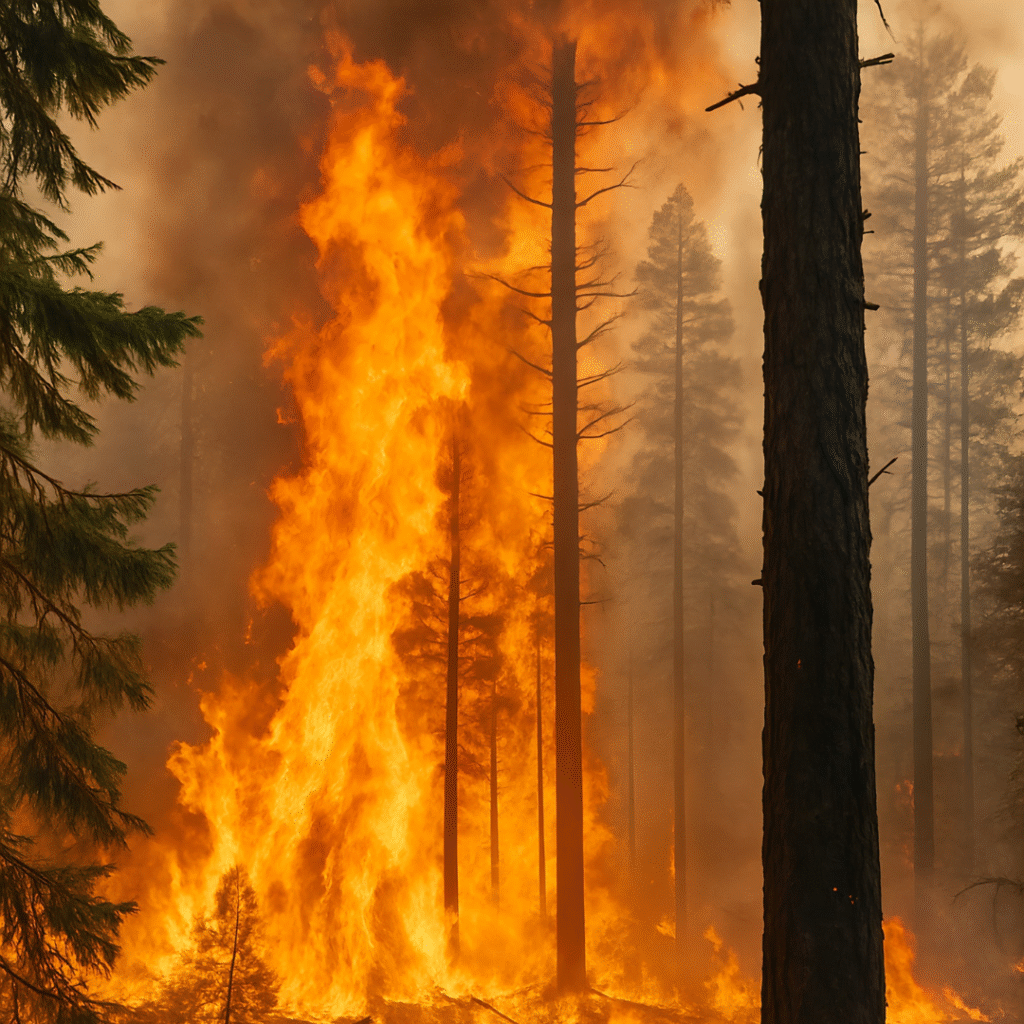
August 13, 2025 | JacobiJournal.com – The California Department of Insurance (CDI) has finalized the approval of three updated wildfire catastrophe models, marking a significant step toward expanding California wildfire coverage in high-risk and underserved regions. These advanced models provide insurers with more accurate, data-driven risk assessments, enabling them to evaluate coverage options for communities previously considered too costly or hazardous to insure. This regulatory update is part of CDI’s broader strategy to stabilize insurance rates, address market withdrawals, and close critical coverage gaps that have left many homeowners without adequate protection. The move reflects growing urgency as California faces more frequent and intense wildfire seasons, which continue to threaten both property and insurer solvency.. Updated Wildfire Catastrophe Models Drive Expanded Wildfire Coverage The newly approved catastrophe models integrate advanced fire behavior simulations, climate data, and vegetation mapping. These tools allow insurers to assess wildfire risks with greater precision, enabling them to extend California wildfire coverage to communities previously deemed too high-risk or cost-prohibitive. By providing more accurate loss predictions, insurers can offer fairer rates, ensuring more Californians are protected against devastating wildfire damage. Stabilizing Rates Through Broader Wildfire Coverage Access California has faced skyrocketing premiums in recent years, particularly in rural and forest-adjacent communities. The CDI’s move addresses affordability concerns by creating conditions for broader California wildfire coverage without compromising insurer solvency. The expanded access is expected to slow—or even reverse—some of the premium hikes that have forced residents to drop coverage or rely on the state’s last-resort FAIR Plan. What Wildfire Coverage Expansion Means for California Homeowners For homeowners, this expansion means greater access to comprehensive policies and reduced risk of catastrophic financial losses. Insurers are now reviewing the updated models and preparing to integrate them into their underwriting and pricing strategies, with changes expected to roll out during upcoming policy renewal cycles. According to the California Department of Insurance, this initiative aligns with the state’s broader wildfire resilience strategy, which also includes home-hardening programs, vegetation management, and community evacuation planning. Read the official CDI announcement here. This development signals a pivotal shift in California’s insurance landscape, as expanded California wildfire coverage not only improves access for high-risk communities but also strengthens overall market stability. By leveraging advanced catastrophe models, the state is setting a precedent for data-driven solutions that balance affordability, availability, and long-term wildfire resilience. FAQs: About the California Wildfire Coverage How do updated wildfire catastrophe models improve insurance access? They provide insurers with more accurate risk data, allowing them to offer California wildfire coverage to communities previously excluded due to high perceived risk. Will the expanded wildfire coverage lower insurance premiums? While it may not drastically reduce rates immediately, it can slow premium increases and improve affordability for high-risk homeowners over time. Does this expansion replace the California FAIR Plan? No. The FAIR Plan remains a last-resort option, but expanded California wildfire coverage through private insurers aims to reduce reliance on it. What areas will benefit most from the expanded California wildfire coverage? Communities in high-risk wildfire zones—particularly rural and underserved regions—are expected to see the greatest improvements in insurance availability under the updated models. When will homeowners start seeing changes to their wildfire coverage options? Insurers are expected to incorporate the updated models into their underwriting over the next policy renewal cycles, meaning some homeowners could see new coverage options within the next year. Follow JacobiJournal.com for in-depth coverage of regulatory updates, insurance market shifts, and wildfire protection policies shaping California’s future. 🔎 Read More from JacobiJournal.com:
State Farm Rate Hike Recommendation: 17% Increase a Wake-Up Call for Insurers

May 13, 2025 | JacobiJournal.com – State Farm Rate Hike: California’s largest homeowners insurance provider, State Farm, could soon face higher premiums following billions in losses from recent wildfires. The insurer, which has struggled with significant financial stress, received a recommendation for a 17% rate hike from Administrative Law Judge Karl Seligman. California’s Insurance Commissioner Ricardo Lara must now decide whether to approve the rate hike. Rate Hike Details and Insurer’s Commitment State Farm’s proposed rate increases would affect: In return, State Farm has agreed not to issue additional nonrenewals until the end of 2025 and to infuse $400 million into the company from parent company State Farm Mutual. Though these rates are temporary and subject to full hearings, this decision highlights a critical moment for both insurers and policyholders. Financial Concerns: S&P Downgrades State Farm’s Credit Rating On Tuesday, S&P Global Ratings lowered its rating on State Farm General Insurance Co. (SFGI) from ‘AA’ to ‘A+’. The move was driven by concerns over weak underwriting performance and the company’s declining capital levels, primarily caused by the California wildfires. State Farm’s struggles mirror a broader issue for insurers in the state, which face mounting financial pressures. Despite recent losses, State Farm has yet to receive direct capital support from its parent company, State Farm Mutual, further exacerbating concerns. Consumer Watchdog Challenges the Hike Consumer Watchdog, a consumer advocacy group, expressed strong opposition to the proposed rate hike. “State Farm is asking consumers to pay now while delaying any justification for the increase,” said Carmen Balber, Executive Director of Consumer Watchdog. “Under Proposition 103, insurers must provide rate justifications before implementing hikes—not after. We urge Commissioner Lara to reject this decision to prevent overcharging policyholders.” The group’s concerns raise questions about California’s regulatory process and its balance between ensuring market stability and protecting consumers. The California Insurance Department Responds Lara’s office issued a statement emphasizing the importance of fairness and transparency in the rate-setting process. “Californians deserve a process grounded in fairness and integrity,” Lara said. “I requested an independent review of the evidence by an administrative law judge, and I will carefully consider all the facts before making my final decision.” The Bigger Picture: Wildfires and Market Instability State Farm Rate Hike: The Los Angeles wildfires, which caused over $2.5 billion in damages for State Farm, represent a significant financial blow. The California Department of Insurance reported 37,749 wildfire-related claims with payouts totaling $12.1 billion by March 2025. These catastrophic events underscore the vulnerability of insurers in California, where companies like State Farm struggle to match premium income with escalating risks. The California FAIR Plan, the state’s last-resort insurer, is already under stress, with $1 billion assessments levied on other insurers to cover losses. Legal Challenges: Antitrust Allegations Against Insurers State Farm also faces two lawsuits in Los Angeles, accusing it of collusion with other insurers to restrict coverage in high-risk wildfire areas. These lawsuits could further complicate the company’s financial and reputational recovery. The plaintiffs claim that State Farm and 24 other insurers violated California’s antitrust laws by forcing homeowners into the more limited California FAIR Plan. If successful, these cases could lead to major repercussions for the industry. The Road Ahead: Will Rate Hike Pass? State Farm’s proposal for rate increases underscores the ongoing instability in California’s insurance market. While wildfire losses and financial challenges drive the need for higher premiums, policyholders face a tense waiting game. The final decision from Insurance Commissioner Lara will play a crucial role in shaping the future of California’s insurance landscape and ensuring that policyholders aren’t burdened with unfair rates. Source FAQs: Understanding the State Farm Rate Hike in California Why Is State Farm Proposing a Rate Hike in California? State Farm rate hike proposals stem from billions in wildfire-related losses and pressure to stabilize its financials. The company seeks a 17% increase for homeowners policies and even higher for rental properties. This move comes after S&P downgraded State Farm’s rating due to poor underwriting performance. How Does the State Farm Rate Hike Impact Policyholders? The State Farm rate hike could lead to significantly higher premiums for homeowners, renters, and landlords. While the company pledges not to issue new nonrenewals through 2025, consumer groups warn this may unfairly burden policyholders without adequate justification under Proposition 103. What Happens If the State Farm Rate Hike Is Approved? If approved, the State Farm rate hike would reshape California’s insurance market. It could set a precedent for similar increases by other insurers, shift more homeowners into the California FAIR Plan, and influence Commissioner Lara’s future regulatory decisions. Stay informed. Subscribe to JacobiJournal.com for expert insights on cyber threats, insurance litigation, and fraud prevention. 🔎 Read More from JacobiJournal.com:
Insurers Pay Nearly $7 Billion for LA Wildfire Claims, Report Reveals
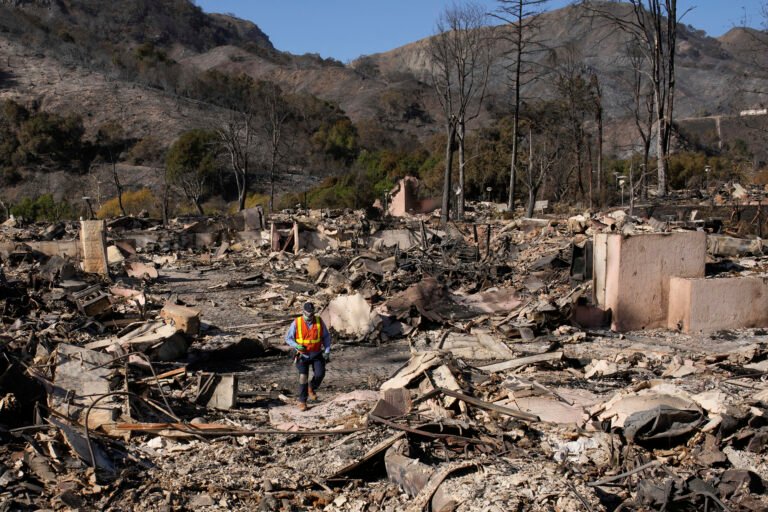
February 14, 2025 | JacobiJournal.com — LA Wildfire Claims: Insurance companies have paid $6.9 billion for damages from two massive Los Angeles-area wildfires that tore through the region last month. The California Department of Insurance (CDI) released updated figures on February 13, reflecting a sharp rise from the $4.2 billion reported on January 30. Thousands of Claims Filed According to CDI, policyholders have submitted 33,717 claims for home, business, and disaster-related expenses. Additionally, 5,597 auto insurance claims total $73 million in payouts. Experts predict insured losses will climb, with estimates ranging between $8 billion and $40 billion. Major Insurers Report Heavy Losses LA Wildfire Claims: Several major carriers face substantial financial impacts. Mercury Insurance Group expects gross losses of $1.6 billion to $2.0 billion. However, subrogation and reinsurance recoveries may lower its final loss to $325 million or less. Travelers Companies Inc. projects $1.7 billion in wildfire losses, while USAA, Chubb, Allstate, and State Farm each report over $1 billion in claims. Meanwhile, the California FAIR Plan, the state’s last-resort insurer, has already paid $914 million to policyholders. It has now requested a $1 billion assessment from admitted market insurers to cover the claims. Total Economic Damage Could Reach $164 Billion Beyond insured losses, the total economic impact of the January wildfires is estimated between $95 billion and $164 billion, according to a UCLA report. The financial burden adds pressure to California’s struggling insurance market, which is already facing rising premiums and policy cancellations in wildfire-prone areas. Read the California Department of Insurance’s full report here. FAQs: LA Wildfire Claims and Insurance Impacts How much have insurers paid so far for LA Wildfire Claims? Insurers have paid $6.9 billion for LA Wildfire Claims, and payouts are expected to rise as more claims are processed.Which companies reported the largest losses from LA Wildfire Claims? Major carriers like State Farm, Allstate, Travelers, and Mercury Insurance have reported more than $1 billion each from LA Wildfire Claims.What role does the California FAIR Plan play in LA Wildfire Claims? The FAIR Plan has already paid $914 million for LA Wildfire Claims and requested a $1 billion assessment from insurers to maintain reserves.How could LA Wildfire Claims affect California’s insurance market? The surge in LA Wildfire Claims may lead to higher premiums, stricter underwriting, and policy non-renewals in high-risk wildfire zones. Are California wildfires covered by insurance? In general, wildfire damage is covered under standard homeowners and business insurance policies in California. However, coverage can vary depending on the policy type, exclusions, and whether the property is in a designated high-risk zone. How much will the LA wildfire insurance estimate? Current insured-loss estimates range widely. Regulators project at least $8 billion in covered losses, while some analysts believe the final number could climb toward $40 billion as additional claims develop. Are insurance companies denying claims in California wildfires? Some policyholders may face disputes or delays, especially in high-risk areas where documentation is difficult or coverage limits are unclear. Regulators continue monitoring insurer practices to ensure legitimate wildfire claims are paid. Will insurance pay out for LA wildfires? Most homeowners and commercial policies do cover wildfire damage, so insurers are paying out claims tied to the LA wildfires. Payouts have already reached $6.9 billion, and totals are expected to rise as additional claims move through the system. Stay ahead on wildfire insurance news, regulatory actions, and market shifts — subscribe now at JacobiJournal.com. 🔎 Read More from JacobiJournal.com: