Insurance Fraud Alert: California Cracks Down on Staged Collision Ring 2026
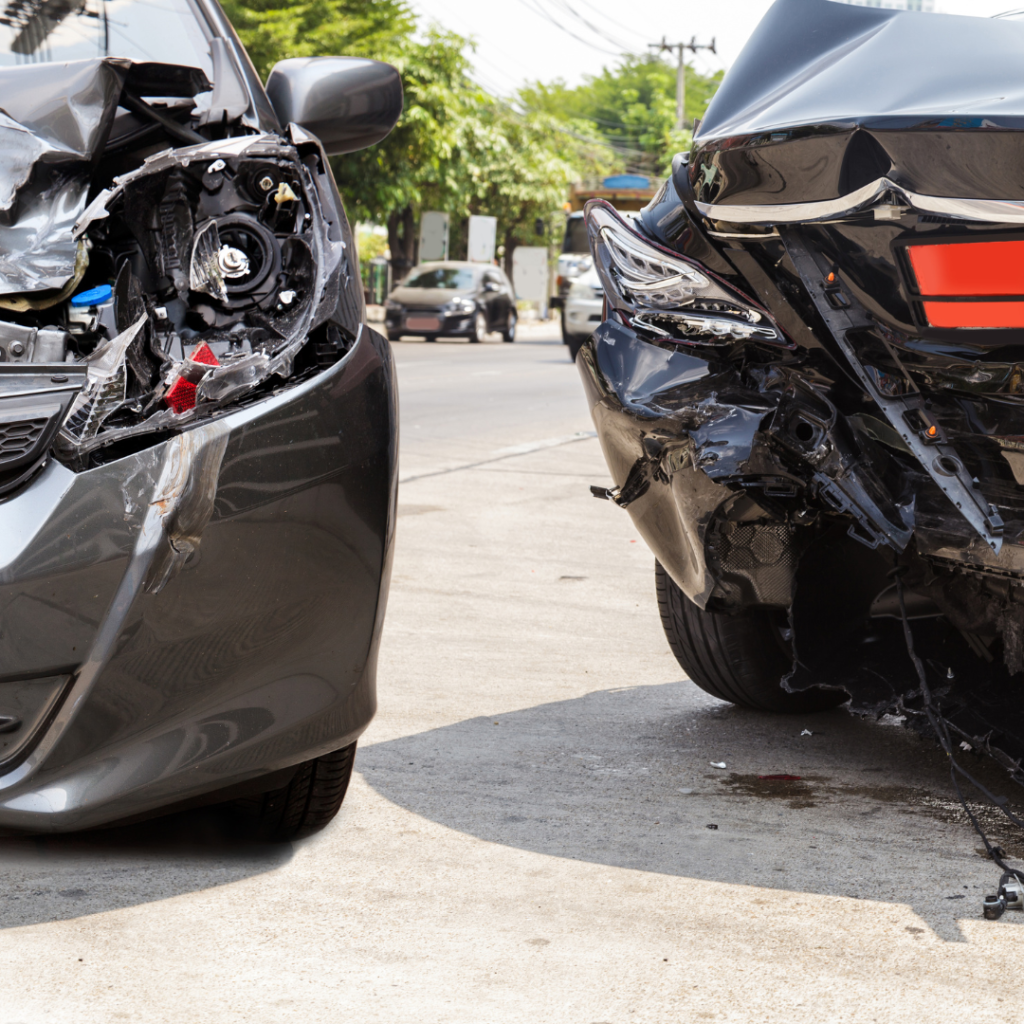
July 27, 2026 | JacobiJournal.com — California authorities continue intensifying insurance fraud enforcement after prosecutors charged four Southern California defendants in connection with an alleged staged automobile collision scheme designed to obtain fraudulent insurance benefits. According to the California Department of Insurance, investigators believe the defendants intentionally caused vehicle crashes, submitted insurance claims, and sought medical treatment to support alleged injury claims associated with the staged incidents. The investigation demonstrates how organized insurance fraud schemes can extend beyond false vehicle damage claims. Authorities allege the defendants attempted to strengthen insurance claims by obtaining medical treatment after the collisions, creating documentation that investigators contend was intended to support bodily injury claims and increase insurance payouts. Prosecutors further allege that one of the staged crashes involved an innocent motorist who was not connected to the scheme. California officials emphasize that staged collisions create risks extending far beyond financial losses. Innocent motorists may suffer physical injuries, emotional distress, vehicle damage, increased insurance premiums, and lengthy claim disputes while law enforcement agencies devote significant resources to investigating organized criminal activity targeting insurance companies. How Investigators Uncovered the Alleged Staged Collision Scheme According to the California Department of Insurance, the investigation began after the Upland Police Department reported multiple suspicious traffic collisions to the Inland Empire Automobile Insurance Fraud Task Force. Officers observed similarities among several crashes that raised concerns the incidents may have been intentionally arranged rather than accidental. The task force conducted a detailed investigation involving the California Department of Insurance, the California Highway Patrol, the San Bernardino County District Attorney’s Office, and the Riverside County District Attorney’s Office. Detectives reviewed police reports, witness statements, insurance claim records, and other evidence to determine whether the collisions were connected. Authorities ultimately concluded there was sufficient evidence to allege that several crashes had been deliberately orchestrated for financial gain. The investigation resulted in felony charges against four Southern California defendants, although each defendant remains presumed innocent unless proven guilty in court. What Prosecutors Allege Happened During the Collisions Investigators allege that the defendants intentionally crashed into one another during separate incidents in San Bernardino County while later presenting the collisions as legitimate traffic accidents. Authorities contend the alleged scheme was designed to generate insurance fraud claims for vehicle damage, bodily injuries, and related insurance benefits. According to prosecutors, one alleged collision occurred in Upland during June 2025 when two vehicles occupied by the defendants intentionally struck each other. Detectives allege everyone involved later sought medical treatment after the collision in an effort to support injury claims and increase insurance compensation. Investigators also allege that an earlier collision in Montclair targeted an unsuspecting motorist who had no connection to the alleged scheme. California officials state that staged collisions become especially dangerous when innocent drivers unknowingly become victims of organized insurance fraud operations. Why Fake Injury Claims Increase the Severity of Insurance Fraud Cases Authorities allege that seeking unnecessary medical treatment after staged crashes can significantly increase the financial impact of insurance fraud investigations. Bodily injury claims often involve medical evaluations, diagnostic testing, rehabilitation services, prescription medications, wage-loss benefits, and other insurance payments that substantially exceed the cost of vehicle repairs alone. Investigators believe fraudulent injury claims also consume valuable healthcare resources while creating additional burdens for insurers, medical providers, and claims professionals responsible for evaluating legitimate accident victims. Each allegedly fraudulent claim requires extensive review before insurers can determine whether benefits should be paid. California regulators continue emphasizing that fraudulent injury claims can have consequences beyond insurance losses. Staged collisions expose emergency responders, medical professionals, and innocent motorists to unnecessary risks while diverting investigative resources away from legitimate public safety concerns. How Multi-Agency Cooperation Strengthened the Investigation The Inland Empire Automobile Insurance Fraud Task Force played a central role throughout the investigation by coordinating resources among multiple law enforcement agencies. Detectives combined accident reconstruction, insurance claim analysis, surveillance evidence, and witness interviews to evaluate whether the reported crashes were consistent with legitimate traffic collisions. The investigation also benefited from cooperation between local police departments, prosecutors, insurance investigators, and state fraud specialists. This collaborative approach allowed authorities to compare evidence from multiple incidents while identifying alleged relationships among the defendants. California officials continue relying on multi-agency partnerships to combat increasingly sophisticated insurance fraud schemes involving organized criminal activity. By sharing investigative resources and financial evidence, agencies improve their ability to identify staged collision networks before additional fraudulent claims are submitted. How Staged Collision Schemes Affect Honest Drivers Staged collision investigations extend far beyond the insurance companies that receive fraudulent claims. California officials warn that innocent motorists can become unintended victims when organized groups intentionally create traffic crashes to generate insurance payouts. These individuals may suffer physical injuries, emotional trauma, property damage, increased insurance premiums, and lengthy claims disputes despite having no involvement in the alleged scheme. The California Department of Insurance noted that investigators believe one of the alleged staged collisions deliberately targeted an unsuspecting driver. Prosecutors allege the innocent motorist was drawn into the fraudulent operation solely to create the appearance of a legitimate accident capable of supporting insurance and injury claims. Officials continue emphasizing that insurance fraud involving staged collisions represents a serious public safety concern because every intentionally caused crash places other motorists, passengers, pedestrians, and first responders at unnecessary risk. Preventing these schemes protects both consumers and California’s transportation system. Why Insurance Fraud Investigations Focus on Medical Documentation Medical records often become a critical component of insurance fraud investigations involving staged collisions. After a reported traffic accident, insurance companies typically review emergency room reports, physician evaluations, diagnostic imaging, rehabilitation records, and billing documentation when assessing injury claims. Investigators allege that fraudulent medical treatment obtained solely to support fabricated injury claims may increase the overall financial impact of an alleged fraud scheme. Detectives therefore examine the timing of treatment, accident reports, surveillance evidence, witness statements, and claim documentation to determine whether the reported injuries are consistent with the circumstances surrounding the collision. California authorities stress that legitimate accident victims should never hesitate to
Disability Insurance Fraud Investigations Intensify Over Long-Term Benefit Abuse Claims
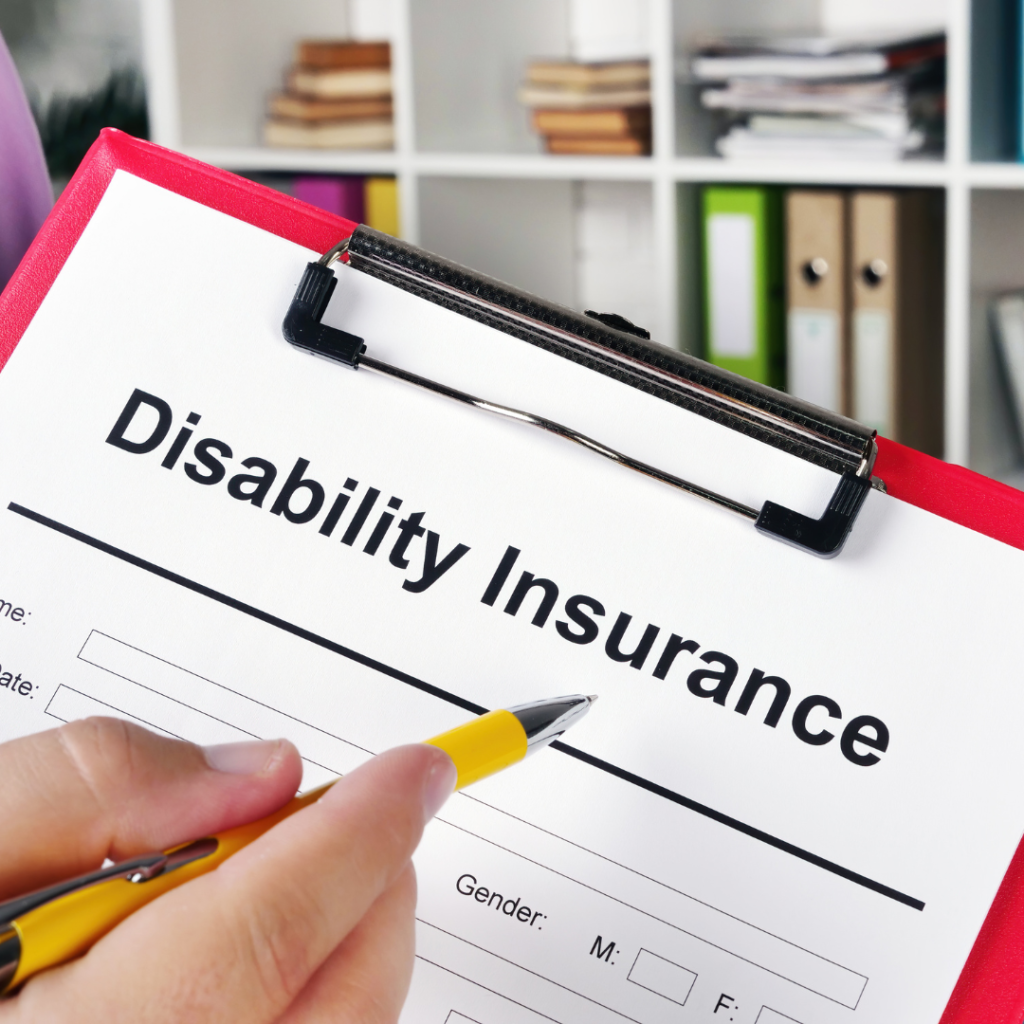
May 11, 2026 | JacobiJournal.com – Disability insurance fraud enforcement activity is expanding as federal authorities pursue cases involving alleged long-term benefit abuse and misrepresentation of physical limitations. Investigators are focusing on situations where individuals reportedly continued collecting disability benefits while engaging in activities inconsistent with claimed medical restrictions. The increase in enforcement reflects broader concerns about the financial impact of fraudulent disability claims on both public and private insurance systems. Regulators are using advanced investigative tools to identify discrepancies between reported disabilities and documented behavior patterns. Federal agencies have also intensified coordination with insurers and law enforcement units to detect suspicious claims earlier. This shift has resulted in more aggressive review processes and a growing number of disability insurance fraud investigations tied to prolonged benefit collection. How Long-Term Benefit Abuse Cases Are Identified Authorities investigating disability insurance fraud often examine inconsistencies between medical certifications and observed physical activity. Surveillance reviews, social media analysis, and employment verification are frequently used to assess whether claimants’ reported limitations align with their actual capabilities. In many cases, investigators analyze whether individuals continued participating in work, travel, or physically demanding activities while simultaneously certifying severe disability conditions. These contradictions can trigger deeper examinations into the legitimacy of ongoing benefit payments. Medical documentation is also a central component of enforcement reviews. Regulators are increasingly scrutinizing physician reports, treatment consistency, and updated evaluations to determine whether claims remain medically justified over time. Why Federal Agencies Are Prioritizing Disability Insurance Fraud The growing focus on disability insurance fraud is tied to concerns about long-term financial exposure within insurance and benefits systems. Fraudulent claims can remain active for years, significantly increasing cumulative payout costs. Authorities have identified long-duration claims as particularly vulnerable to abuse when periodic reassessment procedures are weak or inconsistently enforced. As a result, regulators are emphasizing continuous verification and updated medical review requirements. The Department of Justice and related enforcement agencies are also leveraging data-driven analytics to identify high-risk claims. This includes reviewing patterns involving repeated certifications, inconsistent treatment histories, and unusual claimant activity. What This Means for Claimants, Insurers, and Employers Claimants receiving disability benefits are likely to face increased monitoring and verification requirements as enforcement standards continue to tighten. Accurate medical reporting and compliance with reassessment procedures are becoming more critical throughout the duration of a claim. Insurers are expanding investigative capabilities and adopting more advanced fraud detection systems to reduce exposure to questionable long-term payouts. These efforts are intended to identify potential disability insurance fraud before benefit abuse becomes systemic. Employers may also experience broader involvement in verification procedures, particularly when disability claims intersect with workplace injury or compensation systems. Employment records and activity histories are increasingly being reviewed during investigations. Broader Trend: Data Analytics Reshaping Disability Fraud Enforcement The rise in disability insurance fraud investigations reflects a broader shift toward predictive analytics and digital monitoring within insurance enforcement. Agencies are combining medical data, employment records, and behavioral analysis to identify anomalies more effectively. This proactive approach allows investigators to detect irregularities earlier rather than relying solely on complaints or whistleblower reports. As technology improves, enforcement agencies are expected to continue expanding surveillance and cross-platform verification efforts. The trend suggests that disability insurance oversight will become increasingly data-driven, with stronger emphasis on documentation consistency and ongoing eligibility validation. For official healthcare and insurance fraud enforcement information, visit the U.S. Department of Justice Criminal Division Fraud Section. FAQs: Disability Insurance Fraud and Benefit Abuse Cases What is disability insurance fraud? Disability insurance fraud occurs when false or misleading information is used to obtain or continue receiving disability benefits. How do investigators detect long-term benefit abuse? Authorities use surveillance, employment verification, medical record reviews, and social media analysis to identify inconsistencies in disability claims. Why are long-term disability claims under increased scrutiny? Long-duration claims can result in significant cumulative payouts, making them a higher-risk area for potential fraud. What penalties apply in disability insurance fraud cases? Penalties may include repayment obligations, criminal charges, fines, and loss of future benefit eligibility. Subscribe to JacobiJournal.com for continued coverage of disability insurance fraud, enforcement developments, and insurance compliance trends affecting California and nationwide benefit systems. 🔎 Read More from JacobiJournal.com:
Four Miami-Dade Men Charged in Alleged Staged-Car-Accident Insurance Scheme

October 1, 2025 | JacobiJournal.com — Four men in Miami-Dade County have been arrested on insurance fraud charges after investigators say they orchestrated a series of staged car accidents to file false claims with multiple insurers. According to the Florida Department of Financial Services (DFS), the suspects allegedly coordinated low-speed crashes, then submitted fabricated injury and vehicle-damage reports to collect payouts. Authorities say the investigation began after insurers noticed suspicious patterns in the claims and alerted state fraud units. Classic Auto Fraud Case Uncovered Investigators describe the scheme as a textbook example of “staged accident” fraud, a long-standing issue in South Florida. The suspects are accused of intentionally colliding their vehicles and exaggerating injuries to inflate insurance settlements. “Staged crashes put innocent drivers at risk and drive up insurance premiums across the state,” said a DFS spokesperson, urging the public to report suspicious incidents. How the Operation Was Detected Insurance carriers worked with law enforcement to cross-check accident reports, medical bills, and repair invoices. Discrepancies and repetitive claim patterns triggered a deeper review, eventually leading to the arrests. Each suspect now faces felony charges that could result in prison time, restitution, and significant fines if convicted. Authorities noted that the insurance fraud scheme mirrored other staged-accident rings previously uncovered in South Florida, where networks of participants—including drivers, passengers, and sometimes medical providers—worked together to inflate claims. Investigators are now reviewing whether additional co-conspirators or linked fraud rings were involved, signaling that the case could expand beyond the four men already charged. Protecting Yourself From Auto Insurance Fraud State officials encourage drivers to stay alert to staged-accident tactics, such as sudden braking or vehicles blocking lanes to force a collision. The DFS offers resources for motorists to recognize and report suspected fraud. Because staged crashes are one of the most common forms of insurance fraud, drivers should document every accident carefully, gather witness information, and take photographs of the scene. Officials stress that early reporting and proper documentation not only protect innocent motorists but also give investigators stronger evidence to prosecute organized insurance fraud rings operating across Florida. Learn more from the Florida Department of Financial Services. FAQs: Auto Insurance Fraud What is a staged accident? A staged accident occurs when drivers intentionally cause or fake a collision to file false injury or damage claims with insurance companies. What penalties can offenders face in Florida? Penalties range from felony charges and restitution to significant fines and potential prison sentences, depending on the scope of the fraud. How can drivers protect themselves from being targeted? Maintain a safe following distance, use dashboard cameras if possible, and call law enforcement immediately after any suspicious crash. How do insurers detect this type of fraud? Companies track claim patterns, compare accident reports, and collaborate with law enforcement fraud units to uncover inconsistencies. Why is insurance fraud such a big problem in Florida? Florida has historically ranked among the top states for staged accidents and insurance fraud, driving up premiums for all policyholders and straining resources for legitimate claims. Where can Florida residents report suspected insurance fraud? Drivers can report suspected fraud to the Florida Department of Financial Services’ Division of Investigative and Forensic Services by calling the Fraud Tip Hotline at 1-800-378-0445 or visiting the DFS website. Subscribe to JacobiJournal.com for the latest updates on insurance fraud cases and consumer protection news. 🔎 Read More from JacobiJournal.com:
Iowa Man Gets 10 Years for Fake Rolex Theft Insurance Scam

April 2, 2025 | JacobiJournal.com — An Iowa resident has been sentenced to 10 years in prison for orchestrating a fake Rolex theft insurance scam. Bryce Douglas Murphy, 33, of Peosta, pleaded guilty to Insurance Fraud and Fraudulent Practice, both Class D felonies. His conviction followed an investigation by the Iowa Insurance Division’s Fraud Bureau, which uncovered a repeated pattern of false claims. Bryce Douglas Murphy, 33, of Peosta, pleaded guilty to Insurance Fraud and Fraudulent Practice, both Class D felonies. Investigators from the Iowa Insurance Division’s Fraud Bureau uncovered the scam, leading to his conviction. The Counterfeit Rolex Scheme Murphy reported that two Rolex watches were stolen from his hotel room while attending an NFL game, supporting the claim with falsified receipts and documents. Investigators later determined that the supposed luxury watches were counterfeit and that the paperwork had been forged. Further inquiry revealed that this was not Murphy’s first attempt. In 2019, he filed a nearly identical claim with a different insurer and fraudulently obtained nearly $10,000. This history of deception ultimately strengthened the case against him. Authorities arrested Murphy on June 12, 2023. Sentencing and Penalties After entering a guilty plea, Murphy was sentenced to 10 years in state prison and ordered to pay $2,395 in fines. Authorities noted that this sentence reflects Iowa’s commitment to deterring fraudulent insurance activity. The Iowa Insurance Division emphasized that insurance fraud increases costs for all consumers and that its Fraud Bureau will continue aggressively investigating similar cases. Why This Case Matters Cases like the fake Rolex theft scam highlight how fraud undermines trust in the insurance system. Law enforcement agencies across the U.S. are stepping up prosecutions of individuals attempting to profit from fraudulent schemes, especially those involving counterfeit luxury goods. Source: Iowa Insurance Division FAQs: Fake Rolex Theft What is a fake Rolex theft insurance scam? A fake Rolex theft scam occurs when someone files an insurance claim for luxury watches that are either counterfeit or never stolen, using fabricated receipts and false reports. What penalties did the Iowa man face for the fake Rolex theft scheme? He was sentenced to 10 years in prison and ordered to pay $2,395 in fines after pleading guilty to insurance fraud and fraudulent practice. How did investigators uncover the fake Rolex theft fraud? Authorities compared receipts, examined the watches’ authenticity, and discovered that Murphy had previously filed a nearly identical fraudulent claim in 2019. Why is insurance fraud involving fake Rolex thefts taken seriously? Such fraud drives up insurance costs for honest policyholders, damages insurer trust, and involves deliberate forgery and deception, making it a prosecutable felony. Stay updated on the latest fraud cases and legal actions. Subscribe to JacobiJournal.com for breaking updates and in-depth coverage. 🔎 Read More from JacobiJournal.com: