Hospice Fraud Alert: CMS Maintains Nationwide Enrollment Restrictions in 2026

August 10, 2026 | JacobiJournal.com — Federal healthcare regulators continue tightening oversight of hospice and home health providers as the Centers for Medicare & Medicaid Services (CMS) maintains a temporary nationwide enrollment moratorium designed to address concerns about fraud, waste, and abuse within Medicare. The action places particular attention on hospice fraud, an area federal officials have identified as carrying significant program-integrity risks. CMS implemented the six-month nationwide moratorium on May 13, 2026, halting new Medicare enrollment for hospice and home health agencies. The restriction applies to initial enrollment applications and certain changes in majority ownership. CMS states that the moratorium can be extended in additional six-month periods if the agency determines that continued restrictions are necessary. The August 2026 status of the moratorium is therefore not a newly announced restriction. Instead, it represents the continuation of a federal enforcement strategy that began in May and remains active during the current six-month period. CMS’s provider enrollment page was updated July 20, confirming that the hospice and home health moratorium remained in effect. The policy has particular relevance for California, where CMS has identified the state among jurisdictions with elevated fraud risk involving newly enrolled hospice providers. Federal officials say the restrictions are intended to prevent potentially problematic operators from entering the Medicare program while investigators increase scrutiny of providers already participating in the system. CMS Targets High-Risk Hospice and Home Health Enrollment The federal government is using enrollment controls as a preventive tool against hospice fraud rather than relying exclusively on prosecutions after fraudulent claims have already been submitted. CMS describes the moratorium as part of a broader strategy intended to stop improper billing before new providers gain access to Medicare reimbursement systems. Under the current restrictions, applications submitted after May 13 by affected hospice and home health providers generally will not be approved. The moratorium also covers certain non-exempt changes in majority ownership, a provision intended to address situations in which ownership changes could potentially be used to obscure control of a healthcare business. Existing providers are not automatically barred from operating. CMS specifically states that the moratorium does not affect current enrollments, meaning existing hospice and home health providers can continue delivering services to Medicare beneficiaries. This distinction is important because the federal action is aimed primarily at controlling new entry into high-risk provider categories rather than shutting down legitimate hospice or home health operations across the country. California Remains a Focus of Federal Fraud Prevention California is among the states CMS identified for heightened oversight of newly enrolled Medicare hospice providers because of elevated fraud risk. The agency’s May announcement specifically listed California alongside Arizona, Georgia, Ohio, Nevada, and Texas as states receiving increased scrutiny. The federal focus is significant because California operates a massive healthcare marketplace with substantial Medicare and Medi-Cal participation. Hospice providers serve vulnerable beneficiaries who may require end-of-life care, making accurate eligibility determinations, appropriate treatment, and legitimate billing particularly important. CMS has stated that it is conducting nationwide hospice site visits, reviewing provider operations, and using data analytics to identify suspicious utilization and compliance patterns. The agency has also introduced a publicly available hospice scoring system intended to increase transparency and help identify providers presenting concerning utilization, quality, or compliance patterns. These measures demonstrate that federal hospice fraud enforcement is increasingly relying on preventive screening, data analysis, and provider oversight rather than depending solely on criminal investigations after losses occur. CMS Suspended Payments to Hundreds of Providers The enrollment moratorium follows other aggressive actions by CMS involving existing hospice and home health providers. According to the agency’s May 13 announcement, CMS suspended payments to approximately 800 hospices and home health agencies suspected of fraud in Los Angeles alone. Those providers were responsible for approximately $1.4 billion in Medicare spending during the previous year, while CMS reported that roughly $70 million in funds had been suspended at the time of the announcement. The Los Angeles action highlights why California remains significant in the federal hospice fraud enforcement strategy. CMS is combining payment intervention with enrollment restrictions, site visits, provider screening, and data analysis to address suspected fraudulent activity at multiple stages of the Medicare payment process. Payment suspension, however, does not itself establish that a provider committed criminal fraud. Federal agencies may suspend payments while investigations proceed when available information indicates that continued reimbursement could expose Medicare to additional improper payments. Enrollment Controls Address Potentially Vulnerable Entry Points CMS’s decision to restrict new hospice and home health enrollment reflects the agency’s broader view that preventing questionable providers from entering Medicare can be more effective than attempting to recover fraudulent payments after they have been made. The agency has described the moratorium as a way to temporarily halt the influx of new providers into healthcare categories considered high risk for fraudulent activity. During the six-month period, CMS intends to increase targeted investigations, use advanced data analytics, and accelerate action against providers suspected of fraud. The approach also addresses the possibility that bad actors could move between states or healthcare entities to avoid detection. CMS specifically said the nationwide scope is intended to prevent operators from simply shifting across state lines. For the hospice industry, the policy creates additional scrutiny around ownership structures, enrollment applications, operating locations, billing patterns, and compliance practices. Existing Providers Remain Subject to Increased Scrutiny The enrollment restrictions do not eliminate federal oversight of hospice and home health agencies that are already participating in Medicare. Instead, CMS is continuing to use payment reviews, site visits, data analytics, and other program-integrity tools to identify potential hospice fraud involving existing providers. This distinction is important for legitimate healthcare organizations. The moratorium does not mean that every hospice provider is suspected of wrongdoing. Rather, CMS is using enrollment restrictions as a targeted measure while it evaluates high-risk areas and investigates providers whose billing or operational patterns may warrant additional review. For providers operating in California and other affected states, the continuing federal scrutiny makes compliance documentation increasingly important. Accurate patient records, appropriate eligibility documentation,
Medicaid Fraud Scrutiny Intensifies as Federal Officials Expand Program Integrity Reviews
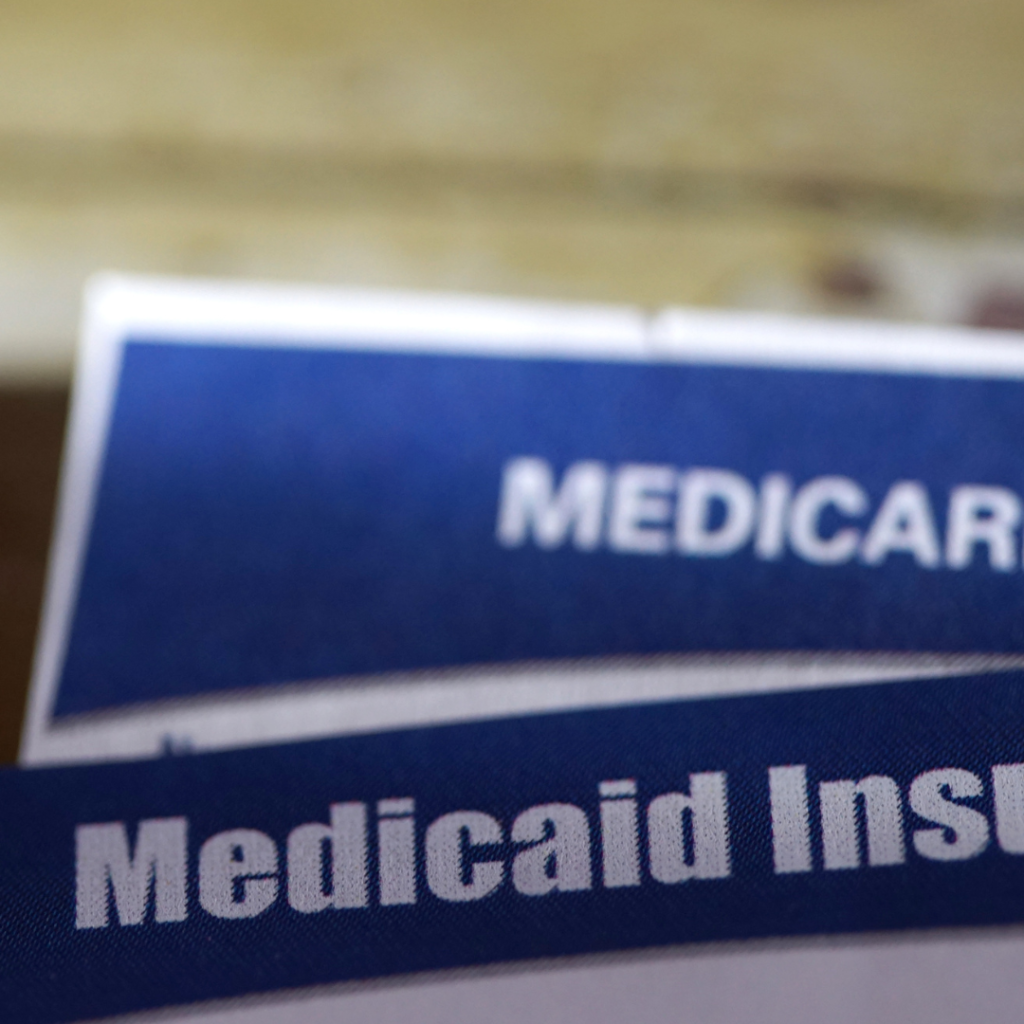
August 7, 2026 | JacobiJournal.com — Federal oversight of Medicaid funding continued to intensify as government officials expanded program integrity reviews designed to identify suspected Medicaid fraud, improper billing practices, and questionable reimbursement activity involving state Medicaid programs. The heightened scrutiny follows a series of federal actions examining healthcare expenditures, payment accuracy, and compliance with Medicaid regulations, including funding reviews affecting California’s Medi-Cal program. Although the payment reviews have generated legal and policy debate regarding federal oversight and state healthcare funding, officials maintain that protecting taxpayer dollars and ensuring the integrity of Medicaid remain central enforcement priorities. The Centers for Medicare & Medicaid Services (CMS) and other federal agencies continue emphasizing that program integrity efforts are intended to ensure Medicaid funds are used appropriately while reducing opportunities for fraud, waste, and abuse. California remains an important focus because Medi-Cal serves millions of beneficiaries and represents one of the nation’s largest Medicaid programs. As federal reviews continue, healthcare providers, insurers, compliance professionals, and policymakers are closely monitoring developments that could influence reimbursement practices, program administration, and future Medicaid fraud enforcement nationwide. Federal Program Integrity Reviews Continue Expanding Federal officials have increasingly relied on program integrity reviews to examine whether Medicaid payments comply with federal reimbursement requirements and statutory funding rules. These reviews evaluate payment accuracy, provider billing practices, eligibility determinations, documentation standards, and financial oversight procedures designed to reduce Medicaid fraud and improper expenditures. Unlike traditional criminal investigations that target individual defendants, program integrity reviews often evaluate broader administrative systems governing Medicaid reimbursement. Officials may examine whether healthcare providers submitted claims supported by appropriate documentation, whether payments complied with federal regulations, and whether states maintained adequate oversight of participating providers. According to federal agencies, these reviews serve multiple objectives. They help identify potential billing irregularities, strengthen accountability, improve financial management, and preserve the long-term sustainability of Medicaid programs funded through both federal and state resources. California’s Medi-Cal Program Draws Continued Attention California administers one of the largest Medicaid programs in the United States through Medi-Cal, providing healthcare coverage for millions of eligible residents. Because of the program’s size and financial significance, California frequently participates in federal program integrity initiatives examining reimbursement practices, provider compliance, and payment administration. Recent federal payment reviews involving Medi-Cal have attracted attention from healthcare providers and policymakers because funding decisions may influence provider reimbursement, healthcare access, and administrative operations. While many discussions center on policy and funding mechanisms rather than criminal conduct, officials continue emphasizing that preventing Medicaid fraud remains an essential component of maintaining public confidence in government healthcare programs. Healthcare organizations participating in Medi-Cal continue reviewing documentation procedures, billing practices, and compliance programs to ensure claims satisfy both federal and state reimbursement requirements. Accurate documentation and internal oversight remain important safeguards against payment disputes and regulatory scrutiny. Program Integrity Extends Beyond Criminal Fraud Cases Federal officials distinguish program integrity reviews from traditional criminal prosecutions, although both play important roles in combating Medicaid fraud. Criminal investigations generally focus on allegations involving intentional deception, false claims, illegal kickbacks, or other violations of federal fraud statutes. Program integrity reviews, however, may also identify administrative deficiencies, billing errors, documentation issues, or reimbursement practices requiring corrective action. When reviews identify significant irregularities, agencies may pursue various enforcement responses depending upon the evidence. These may include repayment demands, administrative corrective actions, civil enforcement proceedings, payment suspensions, provider education initiatives, or referrals for criminal investigation when intentional fraud is suspected. Officials emphasize that not every payment review results in allegations of criminal wrongdoing. Many reviews are designed to improve compliance and strengthen oversight before improper billing develops into larger systemic problems affecting Medicaid expenditures. Why Medicaid Fraud Enforcement Remains a National Priority Federal healthcare spending continues representing one of the largest components of government expenditures, making Medicaid fraud prevention an ongoing priority for regulators and law enforcement agencies. Fraudulent billing, improper reimbursement claims, identity theft, unlawful referrals, medically unnecessary treatment, and other abusive practices may divert funds intended for legitimate patient care while increasing costs for taxpayers. To address these concerns, federal agencies continue investing in data analytics, payment monitoring, provider screening, financial audits, and interagency cooperation. Program integrity initiatives also encourage collaboration between CMS, the Department of Health and Human Services Office of Inspector General, the Department of Justice, state Medicaid agencies, and other oversight organizations responsible for protecting healthcare programs. Officials maintain that early identification of billing irregularities helps reduce financial losses while strengthening confidence in Medicaid’s ability to provide healthcare services to eligible beneficiaries. Legal and Policy Debate Continues Federal payment reviews affecting Medicaid funding have generated significant discussion among policymakers, healthcare organizations, and state officials regarding the appropriate balance between fiscal oversight and uninterrupted healthcare services. While federal agencies maintain that program integrity reviews are necessary to safeguard taxpayer resources, some stakeholders have expressed concerns that payment deferrals and funding disputes could affect healthcare providers participating in Medicaid programs. The ongoing discussions underscore the complexity of administering one of the nation’s largest public healthcare programs. Federal officials continue emphasizing that stronger oversight is intended to identify potential Medicaid fraud, reduce improper payments, and improve accountability rather than restrict access to medically necessary care. California policymakers continue monitoring developments closely because Medi-Cal serves millions of beneficiaries and represents a substantial portion of the state’s healthcare infrastructure. Any changes affecting federal funding or reimbursement oversight could influence healthcare providers, managed care organizations, and administrative agencies responsible for delivering services throughout the state. Compliance Becomes Increasingly Important for Providers The heightened federal focus on Medicaid fraud reinforces the importance of comprehensive compliance programs for healthcare providers participating in Medicaid and Medi-Cal. Hospitals, physician groups, pharmacies, clinics, laboratories, and other participating organizations continue reviewing billing procedures, medical documentation, coding practices, and internal auditing systems to ensure compliance with federal and state requirements. Healthcare compliance professionals recommend maintaining complete patient documentation, conducting regular billing audits, monitoring reimbursement trends, and educating staff regarding Medicaid regulations. Strong compliance programs not only reduce administrative errors but also help organizations identify potential issues before they develop
Healthcare Fraud Crackdown Reaches Historic Level as DOJ Announces Record $6.5 Billion Enforcement Action

August 3, 2026 | JacobiJournal.com — Federal prosecutors have announced the largest healthcare fraud enforcement action in United States history, charging hundreds of defendants in an expansive nationwide operation targeting alleged fraud involving Medicare, Medicaid, private health insurers, and other public healthcare programs. The U.S. Department of Justice (DOJ) reported that the coordinated enforcement initiative resulted in criminal charges against 455 defendants, including 90 licensed physicians and other healthcare professionals, in cases involving approximately $6.5 billion in alleged false claims. The unprecedented enforcement action included investigations across multiple states, with California among the jurisdictions where federal authorities announced criminal cases as part of the coordinated takedown. Prosecutors allege the cases involve a wide variety of healthcare fraud schemes, including false medical billing, medically unnecessary services, illegal kickback arrangements, prescription drug fraud, hospice fraud, durable medical equipment fraud, and other reimbursement-related misconduct. According to the DOJ, the record-setting operation demonstrates the federal government’s continuing commitment to protecting taxpayer-funded healthcare programs while holding accountable individuals and organizations accused of exploiting Medicare, Medicaid, and private insurance systems for financial gain. Largest Healthcare Fraud Enforcement Action in DOJ History The Department of Justice described the nationwide operation as the largest healthcare fraud takedown ever coordinated by federal law enforcement. The investigation brought together prosecutors and investigators from numerous federal agencies, including the Department of Health and Human Services Office of Inspector General (HHS-OIG), the Federal Bureau of Investigation (FBI), the Drug Enforcement Administration (DEA), the Centers for Medicare & Medicaid Services (CMS), and multiple United States Attorneys’ Offices throughout the country. Officials stated that the coordinated initiative targeted alleged criminal organizations, healthcare providers, pharmacy operators, laboratory owners, marketers, and other participants accused of submitting fraudulent reimbursement claims or engaging in unlawful financial arrangements involving healthcare programs. Federal authorities emphasized that many investigations required months or years of financial analysis, undercover operations, electronic evidence collection, medical record reviews, and cooperation among numerous law enforcement agencies before criminal charges were filed. Alleged Schemes Span Multiple Areas of Healthcare The cases announced by the Department of Justice involve numerous forms of alleged healthcare fraud affecting both government-funded and private healthcare programs. Prosecutors allege defendants participated in schemes involving medically unnecessary diagnostic testing, fraudulent hospice services, telemedicine fraud, pharmacy billing schemes, genetic testing fraud, durable medical equipment fraud, opioid diversion, laboratory billing fraud, and illegal physician kickbacks. Federal investigators also allege that some defendants exploited vulnerable patient populations by submitting reimbursement claims for services that were unnecessary, improperly documented, or never provided. Other investigations focus on allegations involving patient recruiters, fraudulent referrals, identity theft, and unlawful financial relationships designed to generate higher insurance reimbursements. The DOJ stated that these alleged schemes collectively exposed public healthcare programs to billions of dollars in fraudulent reimbursement requests while diverting resources intended for legitimate patient care. California Cases Included in Nationwide Enforcement Operation California remained an important component of the nationwide healthcare fraud enforcement effort. Federal prosecutors announced criminal cases involving defendants accused of participating in hospice fraud, Medicare billing schemes, prescription drug fraud, and other healthcare-related financial crimes within the state. Although each prosecution involves different facts and allegations, California cases reflect broader national enforcement priorities targeting complex fraud operations that allegedly involve multiple participants, healthcare entities, financial transactions, and reimbursement programs. Federal officials continue working with California law enforcement agencies, including the California Department of Justice, healthcare regulators, and state investigative agencies to identify fraud affecting both state and federal healthcare programs. These partnerships strengthen enforcement by combining financial expertise, medical analysis, regulatory oversight, and criminal investigative resources. Why Healthcare Fraud Remains a National Enforcement Priority Federal officials continue identifying healthcare fraud as one of the most significant financial crimes affecting government healthcare programs and private insurers. Fraudulent reimbursement claims may increase healthcare expenditures, undermine public confidence, reduce available resources for legitimate patient care, and place additional burdens on taxpayers and insurance policyholders. The DOJ noted that many modern fraud investigations involve sophisticated criminal organizations operating across multiple states and utilizing complex billing structures, shell companies, electronic claims processing systems, and extensive financial networks. These investigations often require collaboration among federal, state, and local agencies before criminal activity can be fully identified and prosecuted. Officials also emphasized that healthcare providers who comply with legal and ethical requirements benefit when enforcement agencies investigate individuals or organizations accused of engaging in healthcare fraud, helping preserve the integrity of the nation’s healthcare reimbursement systems. Impact on Healthcare Providers and Public Programs The record-setting enforcement action illustrates how federal agencies continue expanding their efforts to detect and prosecute sophisticated healthcare fraud schemes that affect both public and private healthcare programs. According to the Department of Justice, many of the alleged schemes involved coordinated operations spanning multiple jurisdictions, healthcare specialties, and reimbursement systems. Investigators allege that fraudulent billing practices can have consequences extending far beyond financial losses. False reimbursement claims may divert taxpayer funds from legitimate patient care, delay healthcare services, increase administrative costs, and undermine public confidence in Medicare, Medicaid, and private insurance programs. For that reason, federal authorities continue investing significant resources into identifying fraudulent billing patterns before additional losses occur. The DOJ also emphasized that enforcement efforts are intended to protect the overwhelming majority of healthcare professionals who comply with legal and ethical standards. Physicians, pharmacists, nurses, therapists, hospitals, clinics, and other providers who accurately document services and submit legitimate reimbursement claims benefit from enforcement initiatives that target individuals or organizations allegedly engaging in healthcare fraud. Multi-Agency Cooperation Drives Complex Investigations Federal officials credited the success of the nationwide operation to extensive cooperation among numerous law enforcement and regulatory agencies. The investigation combined resources from the Department of Justice, Department of Health and Human Services Office of Inspector General, Federal Bureau of Investigation, Drug Enforcement Administration, Centers for Medicare & Medicaid Services, and dozens of United States Attorneys’ Offices. Many investigations also relied upon financial analysts, healthcare auditors, digital forensic specialists, and medical experts who reviewed billing records, patient documentation, reimbursement claims, electronic communications, and financial transactions. Because large-scale healthcare fraud
Insurance Fraud Alert: National Health Care Takedown Hits California 2026

July 6, 2026 | JacobiJournal.com — Insurance fraud enforcement intensified nationwide after federal prosecutors announced one of the largest coordinated healthcare fraud operations in recent years, charging hundreds of defendants across the United States. Among those identified in the enforcement action were several Southern California individuals accused of participating in alleged hospice and Medicare fraud schemes involving tens of millions of dollars in false healthcare claims. The nationwide operation brought together the U.S. Department of Justice, the Federal Bureau of Investigation, the U.S. Department of Health and Human Services Office of Inspector General, the Centers for Medicare & Medicaid Services, and numerous state and local law enforcement agencies. The coordinated effort targeted a wide range of alleged healthcare fraud activities affecting public and private insurance programs. Federal officials stated that the investigation reflects an ongoing strategy of identifying organized fraud networks that exploit Medicare, Medicaid, hospice programs, and other federally funded healthcare systems. The Southern California cases demonstrate how regional investigations continue contributing to broader national enforcement initiatives designed to protect healthcare resources and taxpayer funds. Authorities emphasized that all criminal charges represent allegations, and every defendant is presumed innocent unless proven guilty in court. What Prosecutors Allege Against Southern California Defendants According to federal prosecutors, several Southern California defendants were charged in connection with alleged healthcare schemes involving hospice-related billing, Medicare reimbursement, and false claims submitted to government-funded healthcare programs. Investigators allege that some defendants participated in schemes involving medically unnecessary services, improper patient certifications, false billing documentation, or reimbursement requests that did not accurately reflect services provided. Federal authorities also examined allegations involving hospice eligibility certifications, physician documentation, and billing practices connected to end-of-life care. The investigation forms part of a broader insurance fraud enforcement effort aimed at protecting healthcare programs from fraudulent reimbursement activity. Prosecutors contend that complex billing schemes may involve multiple participants, including healthcare providers, administrators, marketers, and business operators working together to generate improper payments. Officials continue reviewing financial records, medical documentation, billing submissions, and patient records as criminal proceedings move forward. Why Hospice Fraud Continues Receiving Federal Attention Hospice care has become an increasingly significant enforcement priority because Medicare provides substantial reimbursement for qualified end-of-life services. Federal agencies continue investigating allegations that some providers improperly certify patients who do not meet eligibility requirements or submit claims for services that were unnecessary or never delivered. Healthcare regulators explain that hospice benefits are intended to provide compassionate care for patients with terminal illnesses while supporting families during end-of-life treatment. When individuals allegedly misuse these programs, investigators argue that public resources intended for vulnerable patients may be diverted through fraudulent reimbursement. The inclusion of Southern California defendants in the national enforcement action reflects broader insurance fraud concerns involving healthcare billing integrity, patient eligibility verification, and provider documentation standards. Federal officials continue emphasizing that the vast majority of hospice providers operate ethically and comply with Medicare regulations. How Healthcare Fraud Investigations Are Conducted Large-scale insurance fraud investigations involving healthcare billing generally require extensive coordination among multiple federal and state agencies. Investigators analyze millions of billing records, payment transactions, medical documentation, provider enrollment information, and financial records to identify suspicious patterns. Advanced data analytics help investigators compare provider billing behavior against regional and national benchmarks. Unusual billing volumes, repetitive treatment patterns, or inconsistent patient documentation may trigger additional review. Investigators also interview healthcare professionals, former employees, beneficiaries, and other witnesses while executing search warrants and reviewing electronic records. Financial investigators trace payment flows to determine whether fraudulent proceeds were distributed through complex business structures or shell entities. The National Health Care Fraud Takedown demonstrates the growing reliance on sophisticated technology and interagency cooperation when pursuing complex healthcare fraud cases. Why Medicare Fraud Has Financial Consequences Federal healthcare programs process billions of dollars in medical claims every year, making accurate billing essential for maintaining financial stability. Authorities argue that fraudulent reimbursement claims can increase healthcare costs while diverting taxpayer resources from legitimate patient care. Investigators continue identifying alleged insurance fraud schemes involving unnecessary medical services, false diagnoses, kickback arrangements, prescription drug billing, durable medical equipment claims, and hospice reimbursement. Officials maintain that strong enforcement protects not only government healthcare programs but also beneficiaries who depend upon Medicare and Medicaid for essential medical services. Reducing fraudulent billing remains a central objective of ongoing national healthcare enforcement initiatives. How Technology Is Transforming Fraud Detection Federal agencies increasingly rely on predictive analytics and artificial intelligence to identify potential insurance fraud before improper payments accumulate. Advanced analytical systems examine billing trends across millions of claims, allowing investigators to identify providers whose billing behavior differs significantly from established norms. Cross-agency data sharing further strengthens enforcement by allowing investigators to compare provider enrollment records, financial transactions, patient data, licensing information, and historical enforcement activity. Officials believe technological innovation has substantially improved their ability to detect complex fraud schemes involving multiple providers operating across different jurisdictions. The continued expansion of analytical capabilities is expected to further enhance healthcare fraud enforcement throughout 2026. Why Interagency Cooperation Is Essential The National Health Care Fraud Takedown demonstrates how coordinated enforcement has become increasingly important in addressing modern insurance fraud investigations. Federal agencies collaborate closely with state regulators, local prosecutors, law enforcement organizations, and healthcare oversight agencies to investigate complex billing schemes. Each participating agency contributes specialized expertise in healthcare regulation, financial investigations, criminal prosecution, medical documentation, and data analysis. This collaborative model allows investigators to address sophisticated fraud networks operating across multiple states. Officials emphasize that coordinated enforcement improves investigative efficiency while increasing the likelihood of identifying broader criminal organizations rather than isolated incidents. Why Healthcare Billing Integrity Matters Accurate healthcare billing supports both patient care and public confidence in insurance programs. Medicare, Medicaid, and private insurance systems depend upon providers submitting truthful documentation reflecting medically necessary treatment actually delivered to eligible patients. Federal authorities argue that preventing insurance fraud protects healthcare resources while preserving access to care for beneficiaries who legitimately qualify for coverage. Strong billing oversight also helps maintain fairness among healthcare providers who comply with
Connecticut Panel Revives Insurance Coverage Dispute in IVF Fraud Case

April 8, 2026 | JacobiJournal.com — A Connecticut appeals court has ruled that an insurer cannot invoke intentional acts or sexual misconduct exclusions to deny coverage for a reproductive endocrinologist accused of impregnating two in vitro fertilization (IVF) patients with his own sperm. The decision revives a long-standing dispute over whether professional liability insurance must respond to claims arising from such alleged misconduct. The underlying lawsuit alleges serious ethical and legal violations by the physician, highlighting the complex intersection of reproductive medicine, patient consent, and insurance coverage. Legal experts note that the case could set significant precedents for how insurers handle claims involving alleged criminal acts committed during medical procedures. The ruling emphasizes that insurers must carefully evaluate the scope of policy exclusions. Connecticut’s appellate court stressed that blanket denials based on intentional or sexual conduct clauses may not automatically absolve coverage obligations, particularly when the conduct is alleged within the scope of professional medical services. How the Court Addressed Policy Exclusions The appellate panel examined the reproductive endocrinologist’s professional liability policy, focusing on whether standard exclusions could be applied to the claims. The court concluded that the exclusions cited by the insurer—covering intentional or sexual acts—do not categorically remove coverage in this situation. Instead, coverage determinations require a more nuanced analysis of the policy language and the factual allegations in the underlying suit. By rejecting a broad application of exclusions, the court highlighted that insurers cannot unilaterally avoid responsibility without engaging in a detailed evaluation of the claims. This approach underscores the importance of policy interpretation and clarifies that insurance disputes in cases involving alleged medical misconduct are often highly fact-specific. Legal observers say the decision could influence how other states approach professional liability coverage in cases involving allegations of sexual misconduct or fraud in medical practice. The ruling suggests that insurers must navigate policy language carefully and cannot rely solely on broad exclusions to dismiss claims. Why This Case Matters for Patients and Insurers The Connecticut IVF fraud case has drawn national attention because of its ethical, legal, and insurance implications. Patients’ trust in reproductive medicine may be affected by how the courts and insurers address claims of misconduct. Ensuring that victims have a potential path to recovery through insurance coverage is a significant aspect of protecting patient rights. For insurers, the ruling reinforces the need for precise policy drafting and careful claims management. Ambiguous exclusions may be challenged in court, leading to costly litigation and reputational risks. Insurers are advised to review professional liability coverage and ensure that policy language clearly delineates the limits of protection while remaining compliant with state law. Legal scholars argue that the case may serve as a reference for future disputes over coverage in medical misconduct cases, signaling to insurers that courts may scrutinize exclusions closely, particularly when allegations involve criminal or unethical acts performed during professional services. What This Means for Reproductive Medicine Professionals Physicians in reproductive medicine should take note of the Connecticut appellate ruling, as it highlights both the importance of ethical practice and the potential implications of policy coverage. Professional liability insurance remains a critical safeguard, but it is not absolute protection against claims arising from alleged misconduct. Medical professionals are advised to maintain rigorous consent procedures and transparent communication with patients to minimize legal exposure. Additionally, understanding the nuances of insurance coverage and policy exclusions can help prevent unexpected gaps in protection when allegations arise. The ruling also signals to regulatory bodies and professional associations that claims of misconduct in reproductive medicine will be evaluated carefully, both legally and ethically, and that insurance coverage disputes will not automatically favor insurers. Read additional reporting on reproductive medicine ethics and legal disputes. FAQs: Connecticut IVF Insurance Coverage Case Can an insurer deny coverage based on sexual misconduct exclusions? No, the Connecticut appellate court ruled that sexual misconduct exclusions cannot automatically bar coverage in cases involving alleged professional misconduct, and each claim must be evaluated in context. What allegations are involved in this IVF case? The physician is accused of impregnating two IVF patients with his own sperm without consent, raising legal and ethical questions about patient rights and medical conduct. How could this ruling affect medical liability insurance? The ruling suggests insurers must carefully assess policy language and cannot broadly deny coverage. It may influence how policies are drafted and claims are handled in medical misconduct cases. Where can readers learn more about IVF fraud and insurance implications? For further details, readers can visit The New York Times coverage of medical ethics and reproductive fraud. Stay informed on legal developments in healthcare and fraud by subscribing to JacobiJournal.com for timely updates and expert analysis. 🔎 Read More from JacobiJournal.com:
Kaiser Permanente Affiliates Agree to $556 Million Settlement in Medicare Fraud Case

January 16, 2026 | JacobiJournal.com — Kaiser Permanente affiliates have agreed to pay $556 million to resolve federal allegations tied to improper Medicare billing practices, marking one of the most significant healthcare fraud settlements announced so far in 2026. Federal prosecutors allege that affiliated entities submitted unsupported diagnosis codes to inflate payments under the Medicare Advantage program, raising renewed concerns about systemic billing abuses within large healthcare networks. The Kaiser Permanente False Claims Act settlement centers on accusations that internal systems encouraged physicians to retroactively add diagnoses that were not addressed during patient visits—an approach federal authorities say violated Medicare rules and distorted risk-adjustment payments. How the Alleged Medicare Advantage Scheme Worked Under Medicare Advantage, private insurers receive fixed monthly payments from the federal government, adjusted based on patient health risks. Sicker patients generate higher payments, creating strict documentation requirements designed to prevent abuse. Federal investigators allege that Kaiser affiliates used internal data-mining tools to flag missing diagnosis codes from patients’ medical histories. Physicians were then encouraged—sometimes months after a visit—to add diagnoses through medical record addenda, even when those conditions were not evaluated, treated, or managed during the original appointment. According to the government, this process allowed inflated reimbursement claims while undermining Medicare’s safeguards against fraud. Why Federal Authorities Took Action The Department of Justice emphasized that accuracy in Medicare reporting is essential as more than half of U.S. Medicare beneficiaries are now enrolled in Medicare Advantage plans. Officials stated that knowingly submitting unsupported diagnosis codes shifts billions of dollars in improper costs onto taxpayers. Prosecutors allege the conduct occurred over nearly a decade and persisted despite internal warnings, compliance audits, and physician objections. The government also claims that financial incentives and performance targets were tied to diagnosis submission rates—intensifying scrutiny of corporate pressure inside healthcare organizations. The Kaiser Permanente False Claims Act settlement resolves civil allegations only, with no admission of liability. What This Case Signals for Healthcare Fraud Enforcement This settlement reinforces a broader federal crackdown on healthcare fraud, particularly involving Medicare Advantage risk adjustment practices. Enforcement agencies have increasingly focused on diagnosis inflation, whistleblower complaints, and internal compliance failures at large healthcare providers. The case also highlights the growing role of whistleblowers. Two former Kaiser employees brought forward the allegations under the False Claims Act, entitling them to a reported share of the recovery—underscoring how insiders remain a critical line of defense against healthcare fraud. What Patients, Providers, and Taxpayers Should Know Healthcare fraud cases of this scale affect more than corporate balance sheets. Improper billing undermines trust in Medicare, diverts public funds, and can distort patient care priorities. Federal officials have reiterated that Medicare programs exist to serve patients—not profit-driven billing strategies. For providers nationwide, the message is clear: documentation standards matter, and retroactive chart alterations tied to reimbursement carry serious legal risks. Readers can review the full federal announcement and enforcement details directly from the U.S. Department of Justice. FAQs: About the Kaiser Permanente False Claims Act What is the Kaiser Permanente False Claims Act settlement about? It involves allegations that Kaiser affiliates submitted unsupported diagnosis codes to increase Medicare Advantage payments, violating federal billing rules. Was Kaiser Permanente found legally liable? No. The settlement resolves civil allegations only and includes no formal admission of liability. Why is Medicare Advantage fraud a major enforcement focus? Because Medicare Advantage payments rely heavily on diagnosis data, making the program vulnerable to manipulation and inflated billing. How do whistleblowers factor into healthcare fraud cases? Whistleblowers can file lawsuits on behalf of the government under the False Claims Act and receive a portion of recovered funds. Stay informed on healthcare fraud, Medicare enforcement, and federal investigations. Subscribe to JacobiJournal.com for timely, fact-driven reporting you can trust. 🔎 Read More from JacobiJournal.com:
GEICO Files Lawsuit Over $2.7 Million Medical Device Fraud in New York

December 8, 2025 | JacobiJournal.com — GEICO has filed a federal lawsuit in New York, accusing multiple medical supply companies of orchestrating a $2.7 million billing fraud scheme involving durable medical equipment (DME). The insurer alleges the suppliers submitted claims for equipment that was unnecessary, misrepresented, or never delivered. The lawsuit was filed in the U.S. District Court for the Eastern District of New York and names several New York–based medical supply companies, along with individuals involved in the alleged scheme. How the Alleged Fraud Operated The lawsuit claims that the defendants took advantage of New York’s no-fault auto insurance system, which is designed to ensure accident victims receive medically necessary care without delay. GEICO alleges that, instead of following the system’s intent, the suppliers exploited loopholes to submit fraudulent claims and collect payments for equipment that was either unnecessary or misrepresented. Specifically, the complaint details that the suppliers: This approach, GEICO contends, allowed the suppliers to unlawfully extract millions of dollars from the insurer while undermining the integrity of New York’s no-fault insurance system. Why GEICO Says This Lawsuit Is Important GEICO emphasizes that fraudulent billing schemes like the one alleged in this case have far-reaching consequences for both insurers and policyholders. The company argues that these practices not only strain the insurance system but also affect legitimate accident victims who rely on no-fault coverage. According to the lawsuit, this type of fraud: As part of the legal action, GEICO is seeking restitution for payments it claims were improperly made and a court order to block payment of any pending suspicious claims, aiming to prevent further abuse of the system. What This Means for the Insurance and Healthcare Industry If GEICO prevails in this lawsuit, it could set an important precedent for how insurers handle suspected fraud in the medical supply sector. A successful outcome may: Beyond the immediate legal implications, the case underscores the need for continued vigilance in the healthcare and insurance industries. Strengthening oversight and enforcing accountability can help ensure that patients receive medically necessary care while preventing the exploitation of the no-fault system. For more detailed insights on DME fraud and industry responses, visit Insurance Business America. FAQs: GEICO Medical Device Fraud Case Explained What is GEICO accusing the suppliers of? GEICO alleges the companies submitted false or inflated claims for durable medical equipment, billing for items that were unnecessary, misrepresented, or never delivered. How much money does GEICO say was lost? The insurer claims over $2.7 million in improper payments were made. What laws does the lawsuit reference? The complaint cites common-law fraud, unjust enrichment, and federal racketeering laws, seeking restitution and declaratory relief. What types of equipment are involved? The case involves durable medical equipment such as orthotics, positioning cushions, air mattresses, and other items reimbursable under New York no-fault insurance. Stay informed and subscribe to JacobiJournal.com for timely updates on insurance fraud and legal news. 🔎 Read More from JacobiJournal.com:
Irvine Couple Accused of Patient Identity Theft in Alleged Insurance Fraud Scheme

November 17, 2025 | JacobiJournal.com – Authorities in California have charged an Irvine husband-and-wife team with multiple counts of identity theft and medical insurance fraud. Investigators say the couple allegedly used stolen patient information to file fraudulent claims with insurers, potentially affecting dozens of patients. The case highlights a growing concern in healthcare: unauthorized access to patient records can fuel insurance fraud schemes that impact both patients and providers. How Did the Alleged Scheme Work? According to law enforcement reports, one spouse allegedly accessed patient records from a local medical practice without permission. That information was reportedly used by the other spouse to create fraudulent medical claims, including tests and procedures that were never performed. Officials estimate the intended financial loss to insurance companies could reach tens of thousands of dollars, though the case is ongoing and subject to court proceedings. This alleged insurance fraud underscores the broader risks associated with unsecured patient data, demonstrating how easily personal information can be exploited for financial gain. It highlights the need for both healthcare providers and patients to remain vigilant in protecting sensitive information and ensuring that all claims are properly verified before submission. Why This Case Matters Insurance fraud that involves stolen patient identities is not just a financial crime — it can harm real patients, who may face incorrect medical records, unexpected billing issues, or credit complications. For insurers and providers, such schemes reinforce the importance of strong data access controls, routine audits, and robust fraud detection systems. What Can Patients Do to Protect Themselves? By staying vigilant and proactively monitoring their medical and insurance information, patients can significantly reduce the risk of falling victim to identity theft and fraudulent billing. Taking these steps not only protects personal financial and medical records but also helps support the integrity of the healthcare system as a whole. Remaining informed and cautious ensures that any suspicious activity is addressed quickly before it escalates. For a detailed report on insurance fraud trends in California, visit: Insurance Fraud Organization. FAQs: About Irvine Couple Alleged Insurance Fraud What crimes are the Irvine couple charged with? They face multiple serious charges, including identity theft, medical insurance fraud, and conspiracy. Identity theft involves unlawfully obtaining and using another person’s personal information, while medical insurance fraud refers to submitting false or fabricated claims to insurers for financial gain. The conspiracy charge indicates that both individuals allegedly collaborated in planning and executing the scheme, making them jointly responsible for the fraudulent activities. If convicted, these charges carry significant legal penalties, including potential prison time, fines, and restitution to affected insurers and patients. How were patient identities allegedly stolen? Authorities say the couple accessed patient records at a medical practice without authorization and used that information to submit fraudulent claims. What impact does insurance fraud have on patients? Stolen identities can lead to incorrect medical records, unauthorized bills, and potential credit issues, affecting patients long-term. How can healthcare providers prevent identity-based insurance fraud? Providers can enforce access controls, audit trails, and employee training while implementing fraud-detection software to flag unusual claims. Stay informed and subscribe to JacobiJournal.com for the latest investigative reporting on healthcare and insurance fraud. 🔎 Read More from JacobiJournal.com:
NICB Reports 49% Spike in Insurance Fraud Tied to Identity Theft

October 20, 2025 | JacobiJournal.com — The National Insurance Crime Bureau (NICB) has reported a sharp 49% increase in insurance fraud cases involving identity theft and synthetic identities, marking one of the most significant fraud surges in recent years. Investigators say fraudsters are using stolen or fabricated identities to file false life insurance, healthcare reimbursement, and auto claim submissions. The trend reflects how cyber-enabled identity manipulation is fueling traditional insurance fraud schemes, often making detection harder for carriers and regulators alike. Experts warn that this surge in identity-based claims represents a growing challenge for the insurance industry, as these schemes combine elements of cybercrime with classic insurance fraud tactics. Fraudsters are increasingly leveraging technology to exploit verification weaknesses, creating multiple fraudulent claims across different policies and insurers. Analysts suggest that companies must strengthen digital authentication, implement cross-industry data sharing, and adopt advanced fraud analytics to detect and prevent these sophisticated insurance fraud attempts before they escalate. Synthetic Identities Driving Sophisticated Claim Schemes According to NICB analysts, many of the new cases involve synthetic identities—combinations of real and fake personal data used to create entirely new profiles. These synthetic claimants have been tied to false medical reimbursement requests and policies opened with fabricated beneficiaries. Experts warn that because these profiles can pass basic identity checks, insurers are increasingly vulnerable to digital-first fraud networks that exploit weak authentication processes. The rise of synthetic identities represents a particularly complex form of insurance fraud, as perpetrators can file multiple claims across different lines of coverage without immediate detection. Insurers now face the challenge of distinguishing legitimate policyholders from carefully constructed fraudulent identities, requiring enhanced analytics, biometric verification, and real-time cross-database monitoring. Industry specialists emphasize that failure to address this evolving threat could lead to substantial financial losses and regulatory scrutiny for carriers confronting sophisticated insurance fraud schemes. Life and Health Insurers See Growing Exposure Life and health insurance lines appear most affected by this year’s surge, with fraudulent actors targeting beneficiary databases and policy applications. NICB’s 2025 midyear review found that identity-based fraud has expanded from consumer policy abuse to organized criminal activity, sometimes involving multiple insurers. “These schemes often blend cybercrime with traditional claim fraud,” an NICB spokesperson said. “As digital verification expands, so does the surface area for exploitation.” Regulatory and Industry Response Emerging Regulators are responding by encouraging insurers to adopt multi-factor verification systems and cross-database fraud detection models. Insurers are also collaborating with NICB and law enforcement to share intelligence on synthetic claimants and compromised identity clusters. Industry observers predict that insurers who fail to integrate fraud analytics and biometric verification tools will face greater exposure to multi-claim identity manipulation. For the official NICB fraud trend report, visit the National Insurance Crime Bureau’s Fraud Resource Center. FAQs: Insurance Fraud Identity Theft Trends 2025 What did NICB report about identity theft and insurance fraud? NICB documented a 49% increase in insurance fraud tied to stolen or synthetic identities across multiple insurance sectors. Which types of insurance are most affected? Life and health insurance claims, along with some auto and property lines, are seeing the fastest rise in identity-linked fraud. What makes synthetic identity fraud difficult to detect? Synthetic identities blend real and fake data, often passing basic verification systems and enabling multiple false claims under different personas. How can insurers respond to this threat? Experts recommend biometric verification, AI-powered fraud analytics, and cross-industry data sharing through organizations like NICB. Stay informed on fraud enforcement and insurer liability —subscribe to JacobiJournal.com for expert weekly insights. 🔎 Read More from JacobiJournal.com:
National Health Care Fraud Data Fusion Center Boosts DOJ-HHS Enforcement

July 25, 2025 | JacobiJournal.com – The National Health Care Fraud Data Fusion Center, jointly operated by the Department of Justice (DOJ) and Department of Health and Human Services (HHS), is rapidly transforming how federal authorities investigate and prosecute healthcare fraud. While first announced in late June, recent enforcement actions confirm the center’s pivotal role in accelerating the detection of fraudulent activity across Medicare, Medicaid, and telehealth platforms. How the Data Fusion Center Strengthens Fraud Enforcement The Data Fusion Center integrates real-time data analytics from multiple government agencies, enhancing the False Claims Act Working Group’s ability to identify anomalies, track financial flows, and connect disparate fraud schemes. This approach allows authorities to proactively flag high-risk providers and patterns before significant losses occur. The center’s work has already supported the 2025 National Health Care Fraud Takedown, which charged 324 defendants in schemes totaling $14.6 billion, including $1.17 billion in telehealth and genetic testing fraud. These figures represent the largest coordinated enforcement effort in healthcare fraud to date, demonstrating the fusion center’s growing impact. Impact on Telehealth Compliance and Analytics Telehealth providers, laboratories, and billing entities face heightened scrutiny as the fusion center applies advanced data analytics to monitor compliance. Organizations involved in telemedicine are particularly vulnerable, with the DOJ leveraging the center’s insights to trace billing irregularities linked to genetic testing scams and telehealth consults. This proactive enforcement model marks a shift from reactive investigations to continuous surveillance of healthcare transactions. As a result, companies in the healthcare sector are advised to strengthen their internal compliance protocols and regularly audit billing practices to avoid becoming targets of federal investigations. For more information on how healthcare fraud is tracked and prosecuted, visit the DOJ Health Care Fraud Unit resource page. What’s Next for the National Health Care Fraud Data Fusion Center Officials from both the DOJ and HHS suggest that the fusion center will continue to evolve, incorporating artificial intelligence and cross-border data sharing to combat increasingly sophisticated fraud schemes. Upcoming enforcement waves are expected to target providers exploiting risk adjustment models, prescription fraud, and unregulated telehealth services. With billions at stake, the center’s data-driven strategy is poised to redefine federal fraud enforcement, holding providers and corporations to higher standards of accountability. FAQ: National Health Care Fraud Data Fusion Center What is the National Health Care Fraud Data Fusion Center? The National Health Care Fraud Data Fusion Center is a joint initiative by the DOJ and HHS that uses real-time data analytics to detect and prevent healthcare fraud across Medicare, Medicaid, and telehealth services. How does the fusion center impact telehealth providers? Telehealth providers are under increased scrutiny as the fusion center analyzes billing data to identify fraudulent or non-compliant practices, especially in genetic testing and telehealth consultations. What were the results of the 2025 healthcare fraud takedown? The 2025 enforcement action charged 324 defendants with healthcare fraud schemes totaling $14.6 billion, with a significant portion linked to telehealth and genetic testing scams. Which schemes were uncovered by the fusion center? Authorities identified transnational networks billings exceeding $10.6 billion in DME fraud (Operation Gold Rush), telehealth/genetic testing fraud, opioid-related kickbacks, and false hospice claims. Where can I report suspected healthcare fraud? Reports of healthcare fraud can be submitted to the HHS Office of Inspector General (OIG). Stay informed on healthcare fraud enforcement and telehealth compliance developments. Subscribe to JacobiJournal.com for the latest insights on regulatory actions and industry risks. 🔎 Read More from JacobiJournal.com: