Maryland Woman Scams USAA for $58K—Then Tries Again

February 27, 2025 | JacobiJournal.com — A Maryland woman has been charged with insurance fraud after defrauding USAA Insurance out of $58,000 using fabricated invoices and photos sourced from the internet. The scheme involved falsely claiming water damage to her rented home and submitting altered receipts for furniture, electronics, and clothing. When she attempted a second fraudulent claim totaling more than $124,000, investigators grew suspicious, uncovering her repeated attempts to deceive the insurer. Authorities say this case highlights the serious legal consequences of submitting false insurance claims and serves as a warning to others considering similar actions. First Fraudulent Claim: $58K Payout In 2020, Rhonda K. Jackson, 39, of Upper Marlboro, also known as Rhonda Powell, filed a false insurance claim. She reported severe water damage from a broken pipe in her rented home, claiming losses on furniture, electronics, and clothing. As a result, USAA paid her $58,373. However, she never informed her landlord about the supposed leaks. Moreover, the invoices and receipts she submitted were fabricated or altered. Despite this, USAA processed her claim without immediate suspicion. Second Attempt: A $124K Mistake Maryland Woman Scams USAA: In 2022, Jackson tried again, filing a new claim for $124,034. This time, USAA became suspicious and denied her request. Upon further review, they found that she had recycled fake documents and used photos from the internet to support her claim. Consequently, the insurer referred the case for investigation. Investigation and Sentencing After a thorough inquiry by the Maryland Attorney General’s Office, Insurance Administration Investigator Edward Spragg, and Forensic Auditor Suzzanne Jones, authorities charged Jackson with felony insurance fraud. In October 2024, she pleaded guilty. Judge Lawrence Hill sentenced her to five years in prison, though he suspended all but 45 days. Additionally, she must repay $58,737 in restitution to USAA. Key Takeaway: Fraud Doesn’t Pay This case serves as a clear warning about the consequences of insurance fraud. Insurers are continually improving their detection systems, using advanced analytics, document verification, and investigative audits to identify false claims. Individuals who attempt to submit fraudulent claims risk criminal charges, substantial fines, restitution orders, and even prison time. Beyond legal penalties, engaging in insurance fraud can severely damage personal and professional reputations, affect future insurance coverage, and create long-term financial consequences. For readers, this highlights the importance of understanding insurance policies, accurately reporting damages, and seeking guidance from legitimate sources when filing claims. Read the full statement from the Maryland Attorney General’s Office here. FAQs: About the Maryland Woman Insurance Fraud Case What happened in this Maryland insurance fraud case? Rhonda K. Jackson scammed USAA out of $58,000 using fake invoices and later attempted a second claim for over $124,000, which was uncovered by investigators. How was the insurance fraud discovered? Authorities found that Jackson had recycled fraudulent receipts and used photos from the internet to support her claims, prompting an investigation by the Maryland Attorney General’s Office. What penalties did Jackson face? She pleaded guilty in October 2024 and received a five-year sentence, with all but 45 days suspended, and is required to repay $58,737 in restitution. Why is this case important? The case illustrates how insurers are improving fraud detection and underscores the serious legal consequences for submitting false claims. What are USAA scams? USAA scams typically involve fraudsters attempting to impersonate the insurer to steal money or personal information. This can include fake claims, phishing emails, or misleading phone calls. In this case, Rhonda K. Jackson committed actual insurance fraud by submitting fabricated claims to USAA. Will USAA ever text you? USAA may send text messages for legitimate purposes, such as alerts about account activity, payment reminders, or security notifications. However, they will never request sensitive personal information, such as passwords or Social Security numbers, via text. Will USAA ever ask for my PIN? No, USAA will never ask for your PIN or full account passwords. Any request for this information should be treated as suspicious and reported immediately to USAA to prevent potential fraud. Stay ahead of major fraud and legal enforcement stories — subscribe to JacobiJournal.com for breaking updates and in-depth coverage. 🔎 Read More from JacobiJournal.com:
Yonkers Man Accused of Arson in $1.3 Million Insurance Fraud Scheme
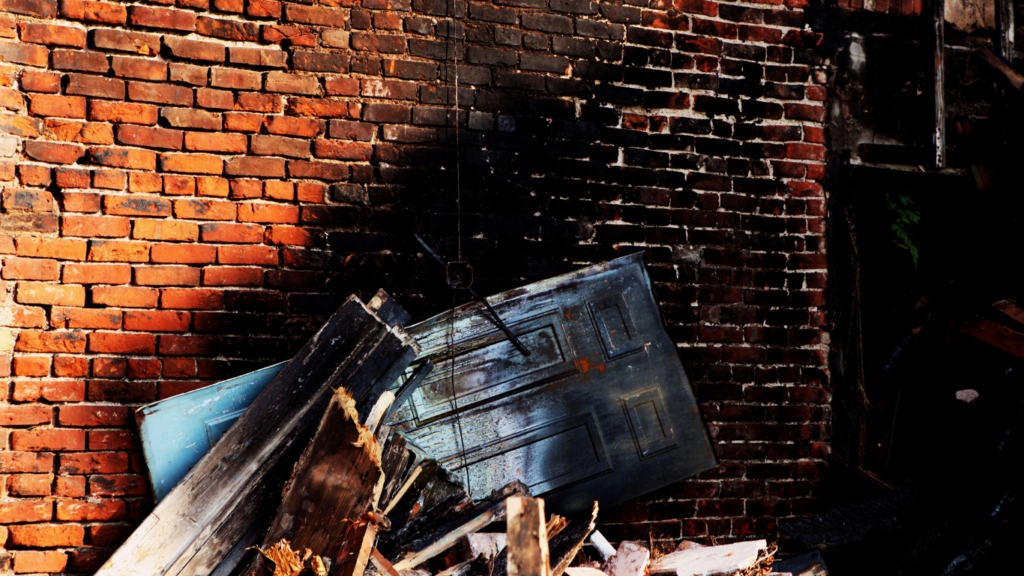
December 20, 2024 | JacobiJournal.com — Yonkers Man Accused of Arson: A Yonkers resident, Majid Haddad, also known as Peter Haddad, faces serious charges. These include conspiracy, arson, and insurance fraud for allegedly hiring someone to burn down his home to collect over $1.3 million in insurance money. Westchester County District Attorney Miriam E. Rocah announced Haddad’s arrest and arraignment. His bail was set at $25,000 cash, $100,000 bond, or a $200,000 partially secured bond. Haddad is scheduled to appear in court again on January 10, 2025. Alleged Plot to Commit Arson Accused of Arson: Prosecutors claim that between February 20 and February 28, 2021, Haddad conspired with another individual to set his Odell Avenue home on fire. Haddad reportedly provided detailed instructions, including applying gasoline inside the house to start the fire. Days before the incident, he allegedly took the accomplice to a Lowe’s Home Improvement store to buy gasoline canisters and then to a gas station to fill them. Haddad is also accused of showing the accomplice how to ignite the fire and giving money for transportation after the act. On February 28, 2021, just before 1:00 a.m., the Yonkers Fire Department responded to the burning single-family home. The fire caused an explosion, collapsing the house, which was declared a total loss. Attempted Insurance Fraud After the fire, Haddad allegedly filed a claim with Adirondack Insurance Exchange, seeking at least $1.3 million for the destroyed property and its contents. However, an investigation by the Yonkers police and fire department’s investigation unit uncovered discrepancies. This led to the case being referred to the Westchester County District Attorney’s Office. The alleged actions in this insurance fraud scheme highlight the lengths some individuals may go to exploit coverage for personal gain. Investigators continue to examine the claim and supporting evidence to determine the full scope of the fraudulent activity and ensure accountability under the law. Legal Proceedings and Presumption of Innocence The charges against Haddad are allegations of insurance fraud and related crimes, and he remains presumed innocent until proven guilty in a court of law. Legal proceedings will involve thorough examination of evidence, witness testimony, and investigative findings to determine whether the claims of insurance fraud are substantiated. This presumption of innocence ensures that Haddad receives a fair trial while authorities pursue accountability for any fraudulent actions. Read the official release here. New Update: Yonkers Man Pleads Guilty in $1.3 Million Arson Insurance Fraud Scheme A significant development has emerged in the $1.3 million Yonkers insurance fraud case involving Majid Haddad, also known as Peter Haddad. On March 24, 2026, News 12 reported that Haddad pleaded guilty to conspiracy, arson, and insurance fraud in connection with a scheme to deliberately destroy his Yonkers residence and collect insurance proceeds. The guilty plea marks a major turning point in the case, which initially resulted in Haddad’s arrest and indictment in December 2024. According to the Westchester County District Attorney’s Office, Haddad arranged for another individual to set fire to his Odell Avenue home in February 2021. Prosecutors said Haddad provided instructions for purchasing gasoline and demonstrated how the fire could be started. The resulting blaze caused an explosion and destroyed the property. Following the incident, Haddad attempted to obtain more than $1.3 million through a homeowners insurance claim. His guilty plea confirms his criminal responsibility for the scheme, moving the case beyond the allegations described in the original report. News 12 reported that Haddad faced a sentence of six months in jail and five years of probation. The development highlights the serious legal consequences of deliberately causing property damage to obtain insurance payments. It also underscores the importance of coordinated investigations involving insurance companies, fire investigators, law enforcement agencies, and prosecutors in identifying fraudulent property insurance claims. For more information on Haddad’s guilty plea and the latest case developments, read the March 24, 2026 report from News 12. FAQs: Yonkers Arson Insurance Fraud What charges is Majid Haddad facing in the Yonkers arson case? Majid Haddad has been indicted on multiple felony charges, including conspiracy, arson, reckless endangerment, and insurance fraud, for allegedly orchestrating an arson to collect over $1.3 million in insurance money. How did Haddad allegedly plan the arson? Between February 20 and 28, 2021, Haddad allegedly hired an accomplice to set fire to his home, providing detailed instructions, purchasing gasoline canisters, and demonstrating how to ignite the fire. What was the outcome of the arson? On February 28, 2021, the Yonkers Fire Department responded to a fully engulfed single-family home on Odell Avenue. The fire caused an explosion and the house was declared a total loss. What is the status of Haddad’s legal proceedings? Haddad was arrested and arraigned on a six-count indictment. Bail was set at $25,000 cash, $100,000 bond, or $200,000 partially secured bond. He is scheduled to return to court on January 10, 2025. What are common signs of arson-related insurance fraud? Red flags include suspicious timing of the fire, prior insurance coverage changes, evidence of accelerants, unusual claim amounts, or inconsistencies in the claim. What penalties can someone face for committing arson-related insurance fraud? Penalties may include felony charges, prison time, fines, restitution to insurers, and a permanent criminal record. Stay informed about developments in this case and other legal news by subscribing to JacobiJournal.com. Our expert coverage keeps you updated on significant legal matters and their implications. 🔎 Read More from JacobiJournal.com: