Insurance Fraud Alert: California Cracks Down on Staged Collision Ring 2026
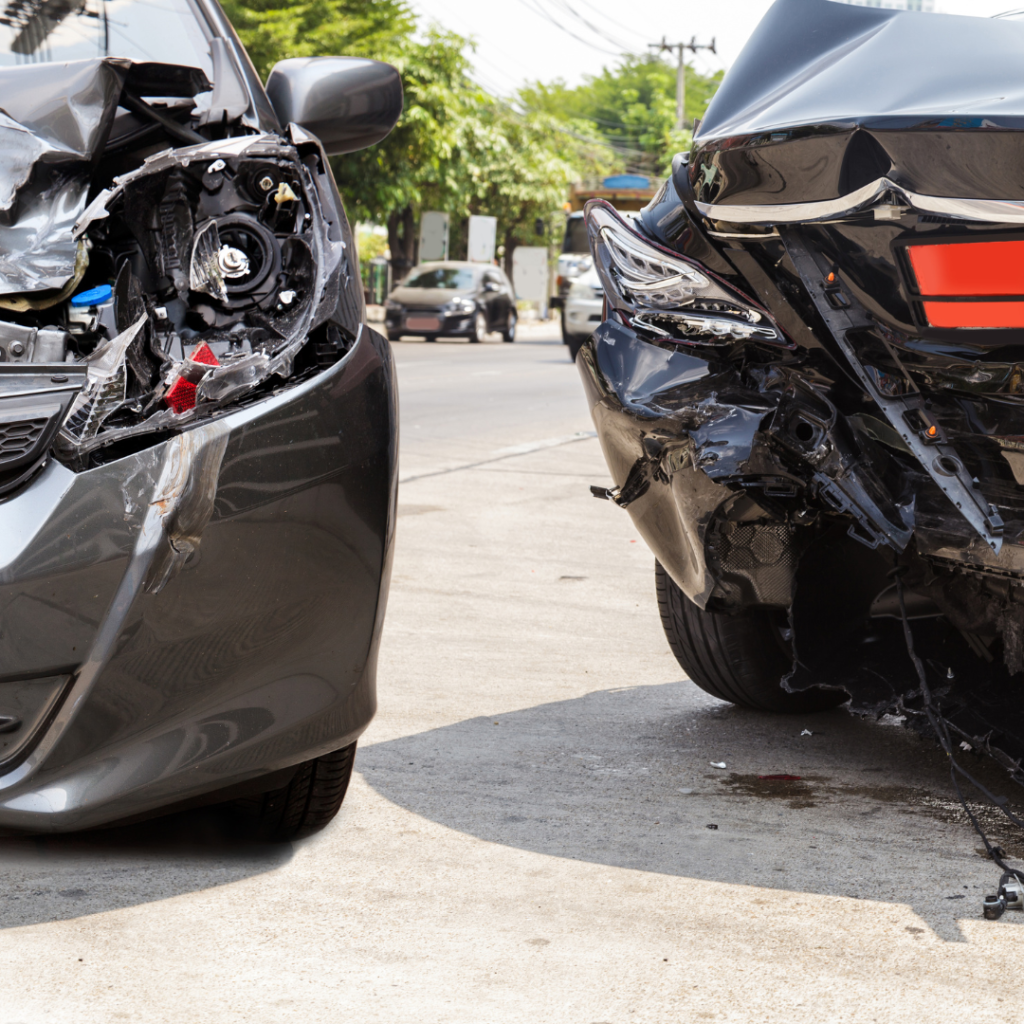
July 27, 2026 | JacobiJournal.com — California authorities continue intensifying insurance fraud enforcement after prosecutors charged four Southern California defendants in connection with an alleged staged automobile collision scheme designed to obtain fraudulent insurance benefits. According to the California Department of Insurance, investigators believe the defendants intentionally caused vehicle crashes, submitted insurance claims, and sought medical treatment to support alleged injury claims associated with the staged incidents. The investigation demonstrates how organized insurance fraud schemes can extend beyond false vehicle damage claims. Authorities allege the defendants attempted to strengthen insurance claims by obtaining medical treatment after the collisions, creating documentation that investigators contend was intended to support bodily injury claims and increase insurance payouts. Prosecutors further allege that one of the staged crashes involved an innocent motorist who was not connected to the scheme. California officials emphasize that staged collisions create risks extending far beyond financial losses. Innocent motorists may suffer physical injuries, emotional distress, vehicle damage, increased insurance premiums, and lengthy claim disputes while law enforcement agencies devote significant resources to investigating organized criminal activity targeting insurance companies. How Investigators Uncovered the Alleged Staged Collision Scheme According to the California Department of Insurance, the investigation began after the Upland Police Department reported multiple suspicious traffic collisions to the Inland Empire Automobile Insurance Fraud Task Force. Officers observed similarities among several crashes that raised concerns the incidents may have been intentionally arranged rather than accidental. The task force conducted a detailed investigation involving the California Department of Insurance, the California Highway Patrol, the San Bernardino County District Attorney’s Office, and the Riverside County District Attorney’s Office. Detectives reviewed police reports, witness statements, insurance claim records, and other evidence to determine whether the collisions were connected. Authorities ultimately concluded there was sufficient evidence to allege that several crashes had been deliberately orchestrated for financial gain. The investigation resulted in felony charges against four Southern California defendants, although each defendant remains presumed innocent unless proven guilty in court. What Prosecutors Allege Happened During the Collisions Investigators allege that the defendants intentionally crashed into one another during separate incidents in San Bernardino County while later presenting the collisions as legitimate traffic accidents. Authorities contend the alleged scheme was designed to generate insurance fraud claims for vehicle damage, bodily injuries, and related insurance benefits. According to prosecutors, one alleged collision occurred in Upland during June 2025 when two vehicles occupied by the defendants intentionally struck each other. Detectives allege everyone involved later sought medical treatment after the collision in an effort to support injury claims and increase insurance compensation. Investigators also allege that an earlier collision in Montclair targeted an unsuspecting motorist who had no connection to the alleged scheme. California officials state that staged collisions become especially dangerous when innocent drivers unknowingly become victims of organized insurance fraud operations. Why Fake Injury Claims Increase the Severity of Insurance Fraud Cases Authorities allege that seeking unnecessary medical treatment after staged crashes can significantly increase the financial impact of insurance fraud investigations. Bodily injury claims often involve medical evaluations, diagnostic testing, rehabilitation services, prescription medications, wage-loss benefits, and other insurance payments that substantially exceed the cost of vehicle repairs alone. Investigators believe fraudulent injury claims also consume valuable healthcare resources while creating additional burdens for insurers, medical providers, and claims professionals responsible for evaluating legitimate accident victims. Each allegedly fraudulent claim requires extensive review before insurers can determine whether benefits should be paid. California regulators continue emphasizing that fraudulent injury claims can have consequences beyond insurance losses. Staged collisions expose emergency responders, medical professionals, and innocent motorists to unnecessary risks while diverting investigative resources away from legitimate public safety concerns. How Multi-Agency Cooperation Strengthened the Investigation The Inland Empire Automobile Insurance Fraud Task Force played a central role throughout the investigation by coordinating resources among multiple law enforcement agencies. Detectives combined accident reconstruction, insurance claim analysis, surveillance evidence, and witness interviews to evaluate whether the reported crashes were consistent with legitimate traffic collisions. The investigation also benefited from cooperation between local police departments, prosecutors, insurance investigators, and state fraud specialists. This collaborative approach allowed authorities to compare evidence from multiple incidents while identifying alleged relationships among the defendants. California officials continue relying on multi-agency partnerships to combat increasingly sophisticated insurance fraud schemes involving organized criminal activity. By sharing investigative resources and financial evidence, agencies improve their ability to identify staged collision networks before additional fraudulent claims are submitted. How Staged Collision Schemes Affect Honest Drivers Staged collision investigations extend far beyond the insurance companies that receive fraudulent claims. California officials warn that innocent motorists can become unintended victims when organized groups intentionally create traffic crashes to generate insurance payouts. These individuals may suffer physical injuries, emotional trauma, property damage, increased insurance premiums, and lengthy claims disputes despite having no involvement in the alleged scheme. The California Department of Insurance noted that investigators believe one of the alleged staged collisions deliberately targeted an unsuspecting driver. Prosecutors allege the innocent motorist was drawn into the fraudulent operation solely to create the appearance of a legitimate accident capable of supporting insurance and injury claims. Officials continue emphasizing that insurance fraud involving staged collisions represents a serious public safety concern because every intentionally caused crash places other motorists, passengers, pedestrians, and first responders at unnecessary risk. Preventing these schemes protects both consumers and California’s transportation system. Why Insurance Fraud Investigations Focus on Medical Documentation Medical records often become a critical component of insurance fraud investigations involving staged collisions. After a reported traffic accident, insurance companies typically review emergency room reports, physician evaluations, diagnostic imaging, rehabilitation records, and billing documentation when assessing injury claims. Investigators allege that fraudulent medical treatment obtained solely to support fabricated injury claims may increase the overall financial impact of an alleged fraud scheme. Detectives therefore examine the timing of treatment, accident reports, surveillance evidence, witness statements, and claim documentation to determine whether the reported injuries are consistent with the circumstances surrounding the collision. California authorities stress that legitimate accident victims should never hesitate to
Insurance Fraud Alert: Oxnard Agent Charged After Tragic Death 2026
July 20, 2026 | JacobiJournal.com – Insurance fraud investigations in California continue highlighting the importance of verifying insurance coverage after the California Department of Insurance announced felony charges against a licensed Oxnard insurance agent accused of premium theft and issuing fraudulent insurance documentation. The investigation began after a tragic fatal traffic collision revealed that a customer believed to be insured allegedly had no valid automobile coverage despite paying premiums through a licensed insurance professional. The case demonstrates how insurance fraud can extend beyond financial losses and potentially expose individuals, families, and businesses to significant legal and financial consequences. California regulators allege that victims trusted a licensed insurance agent to secure legitimate insurance policies, only to later discover that coverage either never existed or was supported by fraudulent certificates of insurance. According to the California Department of Insurance, investigators ultimately arrested licensed insurance agent Gonzalo Lorona of Oxnard following an investigation that uncovered allegations involving premium theft, fraudulent insurance certificates, and multiple victims. The criminal case is being prosecuted by the Ventura County District Attorney’s Office while the defendant remains presumed innocent unless proven guilty in court. How A Fatal Collision Led Investigators To An Alleged Insurance Fraud Scheme The investigation began after authorities reviewed insurance information connected to a fatal traffic collision involving a local soccer player. During the review process, investigators discovered irregularities surrounding the insurance coverage that was believed to exist on the vehicle involved in the incident. What initially appeared to be a routine verification of insurance documentation quickly developed into a broader criminal investigation. California Department of Insurance detectives determined that the policyholder allegedly had been paying premiums to a licensed insurance agent but did not possess valid automobile insurance coverage at the time of the collision. Investigators allege the customer believed the insurance policy had been properly obtained and maintained through legitimate transactions handled by the agent. Officials say this type of insurance fraud investigation demonstrates why coverage verification remains a critical consumer protection measure. While many Californians rely on licensed professionals to manage their insurance needs, regulators stress that policyholders should periodically confirm policy status directly with insurance carriers to ensure coverage remains active. What Investigators Allege Occurred During The Insurance Transactions According to investigators, the criminal investigation expanded after detectives examined additional client files and financial records associated with the insurance agency. Authorities allege the evidence revealed a broader pattern involving premium payments that were collected from consumers but not properly transmitted to insurance companies. Investigators further allege that some customers received insurance certificates that falsely represented active insurance coverage. These certificates allegedly provided consumers, employers, landlords, contractors, or other third parties with documentation indicating insurance protection that investigators claim did not actually exist. The California Department of Insurance alleges that the defendant issued at least 13 fraudulent certificates of insurance while unlawfully retaining premium payments that exceeded $10,000. If proven in court, prosecutors argue the conduct represents a significant example of insurance fraud affecting multiple California consumers who relied on the agent’s professional licensing and representations. Why Fake Insurance Certificates Create Serious Risks Fraudulent insurance certificates can create consequences extending well beyond financial loss. Businesses frequently require certificates of insurance before awarding contracts, property owners request proof of coverage before leasing commercial space, and employers often require evidence of insurance before allowing work to begin. When fraudulent certificates are allegedly issued, consumers and businesses may unknowingly operate without legitimate insurance protection. Claims arising from vehicle collisions, property damage, workplace incidents, or liability events may later be denied if no actual policy exists with the insurer identified on the certificate. California regulators note that insurance fraud involving false proof of insurance can affect not only the direct customer but also innocent third parties who reasonably relied upon documentation presented as authentic. This broader public impact explains why investigators treat alleged fake insurance certificate cases as significant criminal matters deserving extensive investigation. How California Detectives Built The Criminal Investigation The California Department of Insurance Fraud Division coordinated the investigation by reviewing financial transactions, policy records, insurer documentation, and communications associated with the agency’s business activities. Detectives worked to determine whether premium payments submitted by customers resulted in legitimate insurance coverage or whether funds had allegedly been diverted for unauthorized purposes. Investigators also compared policy information maintained by insurance carriers with documents provided to customers. This process allowed detectives to identify alleged discrepancies involving policy issuance, premium accounting, and insurance verification records. Each piece of documentary evidence became part of a larger review intended to determine whether criminal statutes had been violated. Officials emphasize that insurance fraud investigations involving licensed professionals often require detailed forensic accounting, interviews with multiple victims, insurer cooperation, and careful examination of licensing records. Complex financial investigations frequently take months before prosecutors determine whether sufficient evidence exists to file felony charges. Why California Continues Prioritizing Insurance Agent Misconduct California continues investing significant investigative resources into allegations involving licensed insurance professionals because consumers place substantial trust in agents when purchasing automobile, homeowners, commercial, and other forms of insurance coverage. That trust forms the foundation of the insurance marketplace and depends upon agents acting honestly and in accordance with state law. When allegations arise involving premium theft or false documentation, regulators seek to protect both existing victims and future consumers who may unknowingly conduct business with individuals accused of misconduct. Administrative licensing enforcement frequently accompanies criminal prosecution when evidence supports disciplinary action. State officials emphasize that most licensed insurance professionals conduct business ethically and comply with California’s insurance laws. Nevertheless, continued insurance fraud enforcement remains essential to maintaining confidence in the state’s insurance marketplace while protecting consumers from deceptive business practices. What Criminal Charges Were Filed Against the Licensed Agent Following the investigation, the Ventura County District Attorney’s Office filed 37 felony charges against the licensed insurance agent. According to the California Department of Insurance, the charges include allegations related to grand theft, insurance fraud, forgery, and the fraudulent creation or use of insurance documentation. The filing of criminal charges reflects prosecutors’