Property Insurance Fraud Investigations Intensify Over California Wildfire Claim Reviews
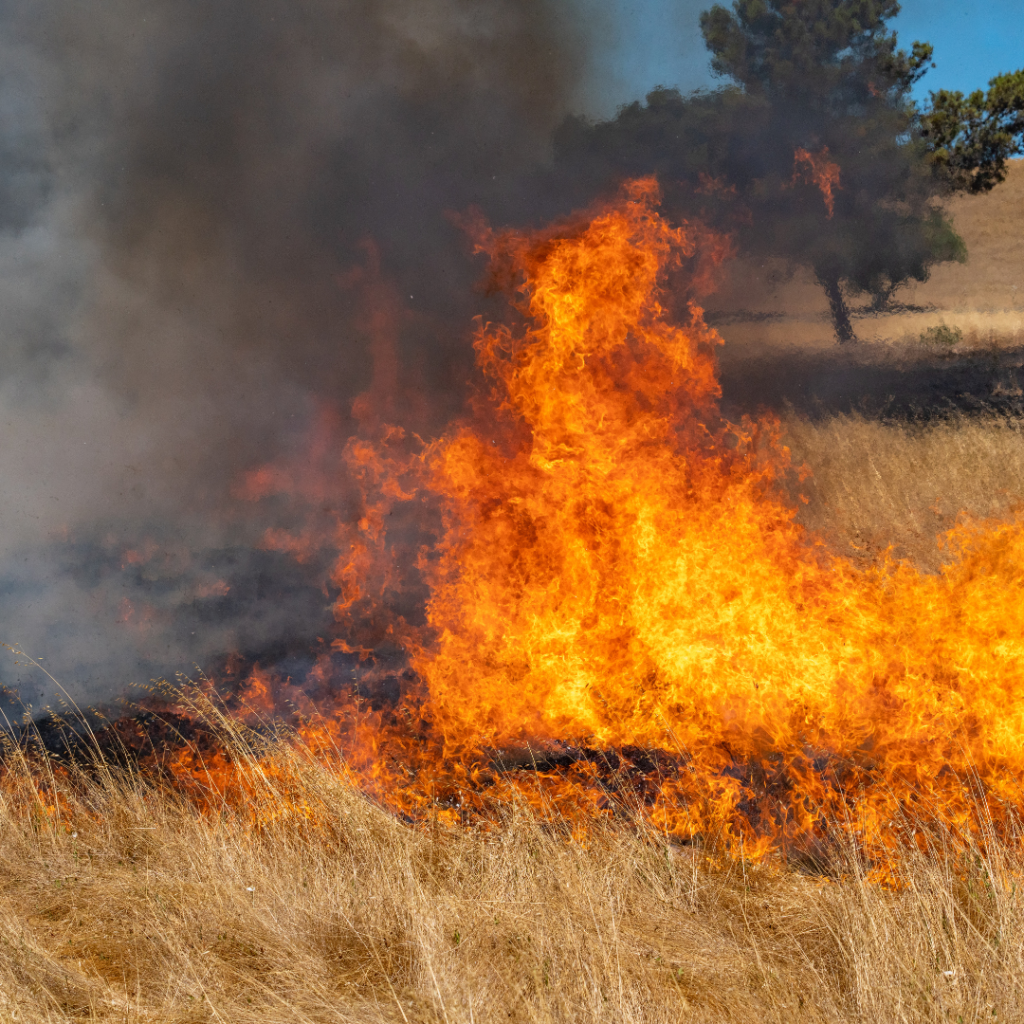
May 18, 2026 | JacobiJournal.com — Property insurance fraud investigations across California intensified after insurers and regulators identified questionable patterns tied to wildfire-related claims. Authorities began reviewing claims activity following reports of inflated repair estimates, inconsistent loss documentation, and duplicate reimbursement requests submitted after major wildfire events. Regulators observed that some claims contained damage valuations significantly higher than standard reconstruction benchmarks for comparable losses. These discrepancies raised concerns that certain filings may have included exaggerated property damage calculations designed to increase insurance payouts. As the review process expanded, investigators also focused on contractor-related inconsistencies tied to repair invoices, remediation costs, and rebuilding estimates. The combined pattern of irregular billing and duplicate claim concerns pushed wildfire-related property insurance fraud into a higher enforcement priority category during 2026. How Wildfire Claim Inflation Allegedly Occurs Authorities investigating property insurance fraud cases involving wildfire claims are examining whether some policyholders or associated contractors overstated property damage during the reimbursement process. Inflated estimates may include excessive repair costs, duplicate material charges, or unsupported reconstruction expenses. In some situations, investigators are reviewing claims where similar damages were allegedly submitted through multiple reimbursement channels. Duplicate filings can create overlapping payment exposure for insurers and complicate the verification process during large-scale catastrophe response operations. Contractor involvement has also become a major focus in wildfire-related property insurance fraud investigations. Regulators are assessing whether certain vendors used inflated invoices, unnecessary remediation recommendations, or inconsistent pricing structures to increase claim values. Why Wildfire-Related Property Insurance Fraud Is Rising California’s repeated wildfire disasters have created a complex insurance environment involving high claim volumes and urgent reconstruction needs. During large-scale catastrophe events, insurers often process thousands of claims simultaneously, increasing the risk that irregular filings may initially escape detection. Regulators believe this environment can create opportunities for property insurance fraud, particularly when policyholders and contractors face pressure to accelerate repairs and reimbursement approvals. The speed of post-disaster claims processing may reduce the ability to immediately verify every estimate and invoice. At the same time, rising reconstruction costs across California have complicated claim valuation standards. This has made it more difficult for insurers to distinguish legitimate high-cost repairs from intentionally inflated claims tied to wildfire damage assessments. How Regulators and Insurers Are Responding Insurance carriers are strengthening post-catastrophe review procedures as property insurance fraud concerns continue to grow. More insurers are deploying specialized fraud investigation units to review high-value wildfire claims and contractor billing patterns. Regulators are also encouraging expanded documentation standards for wildfire-related reimbursement requests. This includes greater scrutiny of repair contracts, itemized invoices, photographic evidence, and independent property assessments tied to reported damages. In addition, agencies are using advanced analytics systems to compare wildfire claims across geographic regions, contractor networks, and historical reconstruction cost benchmarks. These tools help identify anomalies that may indicate coordinated property insurance fraud activity. What This Means for Homeowners and Contractors For homeowners, the increased scrutiny means wildfire claims may undergo more extensive review before approval. Insurers are expected to request more detailed evidence supporting property losses and repair costs as enforcement standards tighten. Legitimate policyholders may experience longer processing timelines while insurers verify claim accuracy and contractor documentation. However, regulators argue that stronger oversight is necessary to preserve the integrity of California’s insurance system and reduce financial abuse. Contractors working on wildfire restoration projects are also facing increased compliance expectations. Billing practices, pricing consistency, and repair documentation are becoming central factors in determining whether reimbursement requests withstand property insurance fraud review procedures. Why Contractor Relationships Are Becoming a Major Enforcement Focus Contractor participation in wildfire recovery efforts has drawn growing attention from regulators because vendors often play a direct role in generating repair estimates submitted to insurers. Investigators are examining whether certain contractor relationships contributed to inflated claims activity. Authorities are particularly focused on cases involving repeated billing anomalies across multiple wildfire claims connected to the same vendors. Patterns involving unusually high estimates or recurring pricing inconsistencies may trigger expanded audits and investigative review. The California insurance environment has also seen increased concerns about unauthorized contractors operating during post-disaster recovery periods. Regulators believe these conditions can increase exposure to property insurance fraud, especially when oversight mechanisms are strained during emergency rebuilding operations. Broader Trend: Catastrophe-Driven Insurance Fraud Enforcement Expands The rise in wildfire-related investigations reflects a broader shift toward catastrophe-focused fraud enforcement strategies across California. Regulators are recognizing that natural disasters create heightened vulnerability to fraudulent claims activity due to the scale and urgency of recovery operations. As climate-related disasters continue affecting the state, insurers and enforcement agencies are expected to invest more heavily in predictive analytics and coordinated fraud detection systems. These tools allow authorities to identify suspicious claim patterns earlier in the reimbursement cycle. The expanding focus on property insurance fraud demonstrates how disaster recovery environments are becoming a major enforcement priority within California’s insurance regulatory framework. Investigators are increasingly targeting organized fraud risks tied to both policyholder filings and contractor billing activity. For official catastrophe insurance resources and wildfire recovery guidance, visit the California Department of Insurance. FAQs: Property Insurance Fraud and Wildfire Claims What is property insurance fraud in wildfire claims? Property insurance fraud involves submitting false, inflated, or misleading information to obtain higher insurance reimbursements after wildfire damage. Why are wildfire claims under increased scrutiny? Large-scale wildfire events generate high claim volumes, creating opportunities for inflated damage estimates and duplicate filings. How do investigators detect fraudulent wildfire claims? Authorities review repair estimates, contractor invoices, property assessments, and claim histories for inconsistencies or abnormal patterns. Can contractors be involved in property insurance fraud cases? Yes. Investigators may examine contractor billing practices, pricing structures, and repair documentation linked to suspicious claims. Subscribe to JacobiJournal.com for continued coverage of property insurance fraud, wildfire claim enforcement developments, and California insurance compliance trends throughout 2026. 🔎 Read More from JacobiJournal.com:
Yonkers Man Accused of Arson in $1.3 Million Insurance Fraud Scheme
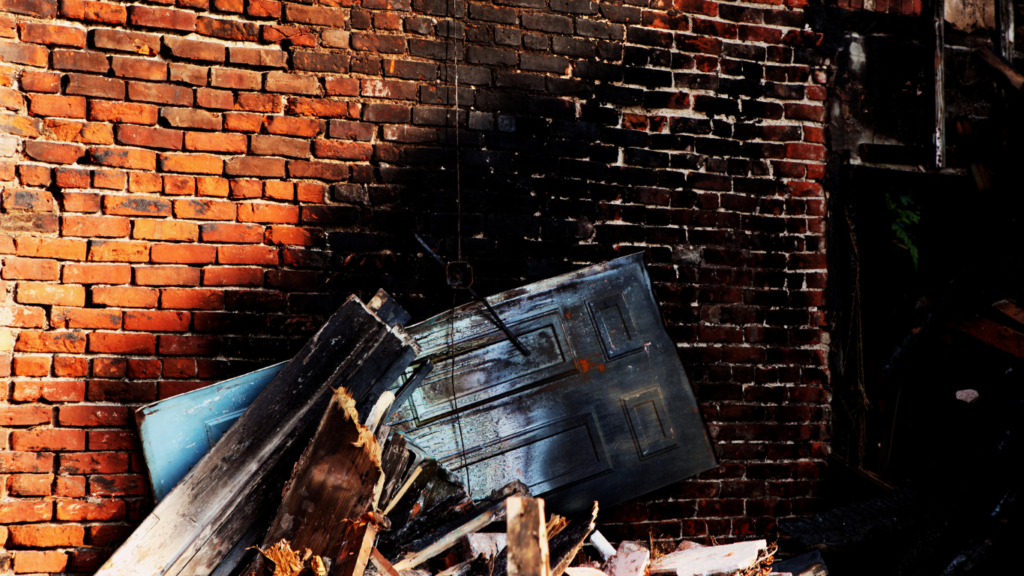
December 20, 2024 | JacobiJournal.com — Yonkers Man Accused of Arson: A Yonkers resident, Majid Haddad, also known as Peter Haddad, faces serious charges. These include conspiracy, arson, and insurance fraud for allegedly hiring someone to burn down his home to collect over $1.3 million in insurance money. Westchester County District Attorney Miriam E. Rocah announced Haddad’s arrest and arraignment. His bail was set at $25,000 cash, $100,000 bond, or a $200,000 partially secured bond. Haddad is scheduled to appear in court again on January 10, 2025. Alleged Plot to Commit Arson Accused of Arson: Prosecutors claim that between February 20 and February 28, 2021, Haddad conspired with another individual to set his Odell Avenue home on fire. Haddad reportedly provided detailed instructions, including applying gasoline inside the house to start the fire. Days before the incident, he allegedly took the accomplice to a Lowe’s Home Improvement store to buy gasoline canisters and then to a gas station to fill them. Haddad is also accused of showing the accomplice how to ignite the fire and giving money for transportation after the act. On February 28, 2021, just before 1:00 a.m., the Yonkers Fire Department responded to the burning single-family home. The fire caused an explosion, collapsing the house, which was declared a total loss. Attempted Insurance Fraud After the fire, Haddad allegedly filed a claim with Adirondack Insurance Exchange, seeking at least $1.3 million for the destroyed property and its contents. However, an investigation by the Yonkers police and fire department’s investigation unit uncovered discrepancies. This led to the case being referred to the Westchester County District Attorney’s Office. The alleged actions in this insurance fraud scheme highlight the lengths some individuals may go to exploit coverage for personal gain. Investigators continue to examine the claim and supporting evidence to determine the full scope of the fraudulent activity and ensure accountability under the law. Legal Proceedings and Presumption of Innocence The charges against Haddad are allegations of insurance fraud and related crimes, and he remains presumed innocent until proven guilty in a court of law. Legal proceedings will involve thorough examination of evidence, witness testimony, and investigative findings to determine whether the claims of insurance fraud are substantiated. This presumption of innocence ensures that Haddad receives a fair trial while authorities pursue accountability for any fraudulent actions. Read the official release here. FAQs: Yonkers Arson Insurance Fraud What charges is Majid Haddad facing in the Yonkers arson case? Majid Haddad has been indicted on multiple felony charges, including conspiracy, arson, reckless endangerment, and insurance fraud, for allegedly orchestrating an arson to collect over $1.3 million in insurance money. How did Haddad allegedly plan the arson? Between February 20 and 28, 2021, Haddad allegedly hired an accomplice to set fire to his home, providing detailed instructions, purchasing gasoline canisters, and demonstrating how to ignite the fire. What was the outcome of the arson? On February 28, 2021, the Yonkers Fire Department responded to a fully engulfed single-family home on Odell Avenue. The fire caused an explosion and the house was declared a total loss. What is the status of Haddad’s legal proceedings? Haddad was arrested and arraigned on a six-count indictment. Bail was set at $25,000 cash, $100,000 bond, or $200,000 partially secured bond. He is scheduled to return to court on January 10, 2025. What are common signs of arson-related insurance fraud? Red flags include suspicious timing of the fire, prior insurance coverage changes, evidence of accelerants, unusual claim amounts, or inconsistencies in the claim. What penalties can someone face for committing arson-related insurance fraud? Penalties may include felony charges, prison time, fines, restitution to insurers, and a permanent criminal record. Stay informed about developments in this case and other legal news by subscribing to JacobiJournal.com. Our expert coverage keeps you updated on significant legal matters and their implications. 🔎 Read More from JacobiJournal.com: