Insurance Fraud Alert: California Cracks Down on Staged Collision Ring 2026
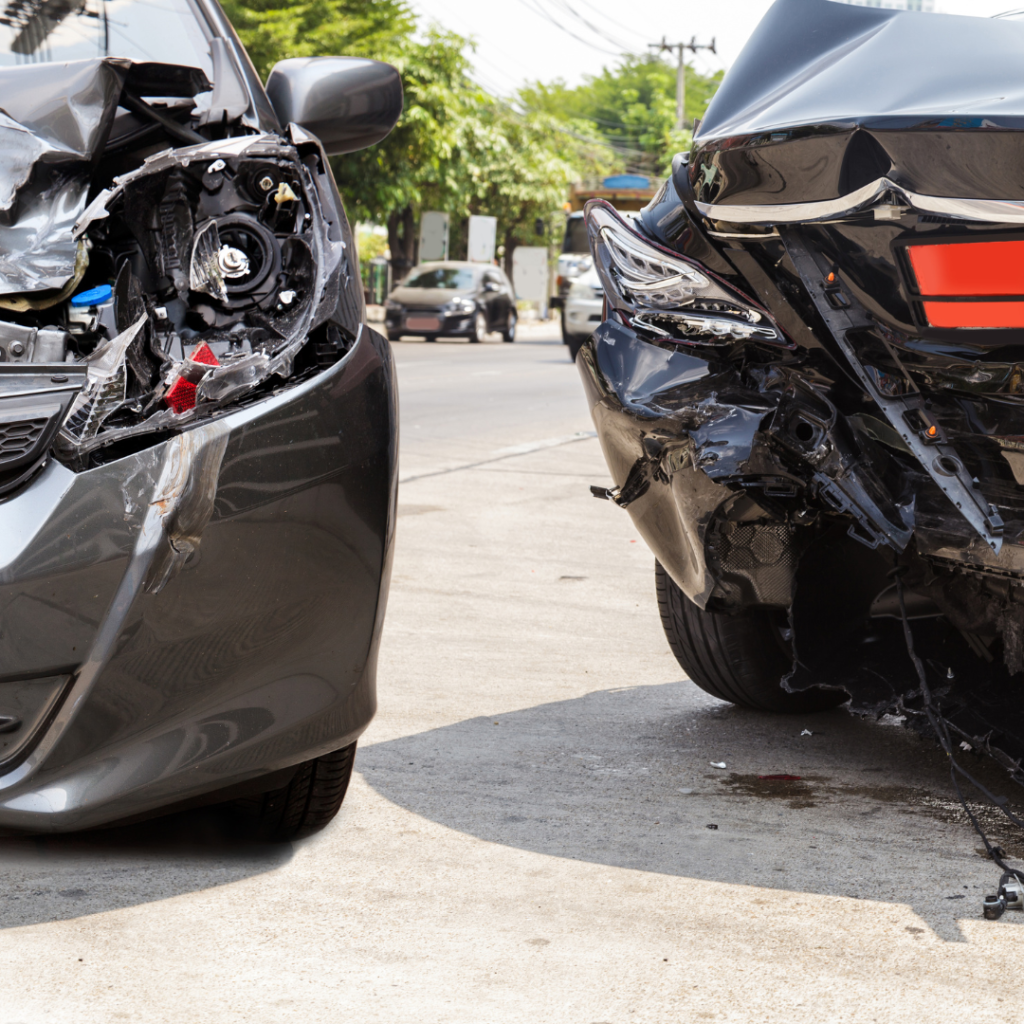
July 27, 2026 | JacobiJournal.com — California authorities continue intensifying insurance fraud enforcement after prosecutors charged four Southern California defendants in connection with an alleged staged automobile collision scheme designed to obtain fraudulent insurance benefits. According to the California Department of Insurance, investigators believe the defendants intentionally caused vehicle crashes, submitted insurance claims, and sought medical treatment to support alleged injury claims associated with the staged incidents. The investigation demonstrates how organized insurance fraud schemes can extend beyond false vehicle damage claims. Authorities allege the defendants attempted to strengthen insurance claims by obtaining medical treatment after the collisions, creating documentation that investigators contend was intended to support bodily injury claims and increase insurance payouts. Prosecutors further allege that one of the staged crashes involved an innocent motorist who was not connected to the scheme. California officials emphasize that staged collisions create risks extending far beyond financial losses. Innocent motorists may suffer physical injuries, emotional distress, vehicle damage, increased insurance premiums, and lengthy claim disputes while law enforcement agencies devote significant resources to investigating organized criminal activity targeting insurance companies. How Investigators Uncovered the Alleged Staged Collision Scheme According to the California Department of Insurance, the investigation began after the Upland Police Department reported multiple suspicious traffic collisions to the Inland Empire Automobile Insurance Fraud Task Force. Officers observed similarities among several crashes that raised concerns the incidents may have been intentionally arranged rather than accidental. The task force conducted a detailed investigation involving the California Department of Insurance, the California Highway Patrol, the San Bernardino County District Attorney’s Office, and the Riverside County District Attorney’s Office. Detectives reviewed police reports, witness statements, insurance claim records, and other evidence to determine whether the collisions were connected. Authorities ultimately concluded there was sufficient evidence to allege that several crashes had been deliberately orchestrated for financial gain. The investigation resulted in felony charges against four Southern California defendants, although each defendant remains presumed innocent unless proven guilty in court. What Prosecutors Allege Happened During the Collisions Investigators allege that the defendants intentionally crashed into one another during separate incidents in San Bernardino County while later presenting the collisions as legitimate traffic accidents. Authorities contend the alleged scheme was designed to generate insurance fraud claims for vehicle damage, bodily injuries, and related insurance benefits. According to prosecutors, one alleged collision occurred in Upland during June 2025 when two vehicles occupied by the defendants intentionally struck each other. Detectives allege everyone involved later sought medical treatment after the collision in an effort to support injury claims and increase insurance compensation. Investigators also allege that an earlier collision in Montclair targeted an unsuspecting motorist who had no connection to the alleged scheme. California officials state that staged collisions become especially dangerous when innocent drivers unknowingly become victims of organized insurance fraud operations. Why Fake Injury Claims Increase the Severity of Insurance Fraud Cases Authorities allege that seeking unnecessary medical treatment after staged crashes can significantly increase the financial impact of insurance fraud investigations. Bodily injury claims often involve medical evaluations, diagnostic testing, rehabilitation services, prescription medications, wage-loss benefits, and other insurance payments that substantially exceed the cost of vehicle repairs alone. Investigators believe fraudulent injury claims also consume valuable healthcare resources while creating additional burdens for insurers, medical providers, and claims professionals responsible for evaluating legitimate accident victims. Each allegedly fraudulent claim requires extensive review before insurers can determine whether benefits should be paid. California regulators continue emphasizing that fraudulent injury claims can have consequences beyond insurance losses. Staged collisions expose emergency responders, medical professionals, and innocent motorists to unnecessary risks while diverting investigative resources away from legitimate public safety concerns. How Multi-Agency Cooperation Strengthened the Investigation The Inland Empire Automobile Insurance Fraud Task Force played a central role throughout the investigation by coordinating resources among multiple law enforcement agencies. Detectives combined accident reconstruction, insurance claim analysis, surveillance evidence, and witness interviews to evaluate whether the reported crashes were consistent with legitimate traffic collisions. The investigation also benefited from cooperation between local police departments, prosecutors, insurance investigators, and state fraud specialists. This collaborative approach allowed authorities to compare evidence from multiple incidents while identifying alleged relationships among the defendants. California officials continue relying on multi-agency partnerships to combat increasingly sophisticated insurance fraud schemes involving organized criminal activity. By sharing investigative resources and financial evidence, agencies improve their ability to identify staged collision networks before additional fraudulent claims are submitted. How Staged Collision Schemes Affect Honest Drivers Staged collision investigations extend far beyond the insurance companies that receive fraudulent claims. California officials warn that innocent motorists can become unintended victims when organized groups intentionally create traffic crashes to generate insurance payouts. These individuals may suffer physical injuries, emotional trauma, property damage, increased insurance premiums, and lengthy claims disputes despite having no involvement in the alleged scheme. The California Department of Insurance noted that investigators believe one of the alleged staged collisions deliberately targeted an unsuspecting driver. Prosecutors allege the innocent motorist was drawn into the fraudulent operation solely to create the appearance of a legitimate accident capable of supporting insurance and injury claims. Officials continue emphasizing that insurance fraud involving staged collisions represents a serious public safety concern because every intentionally caused crash places other motorists, passengers, pedestrians, and first responders at unnecessary risk. Preventing these schemes protects both consumers and California’s transportation system. Why Insurance Fraud Investigations Focus on Medical Documentation Medical records often become a critical component of insurance fraud investigations involving staged collisions. After a reported traffic accident, insurance companies typically review emergency room reports, physician evaluations, diagnostic imaging, rehabilitation records, and billing documentation when assessing injury claims. Investigators allege that fraudulent medical treatment obtained solely to support fabricated injury claims may increase the overall financial impact of an alleged fraud scheme. Detectives therefore examine the timing of treatment, accident reports, surveillance evidence, witness statements, and claim documentation to determine whether the reported injuries are consistent with the circumstances surrounding the collision. California authorities stress that legitimate accident victims should never hesitate to
Staged Collision Fraud Charges Filed Against Four Southern California Drivers

June 1, 2026 | JacobiJournal.com — Staged collision fraud allegations in Southern California escalated after investigators uncovered what authorities describe as a coordinated scheme involving multiple vehicle crashes allegedly designed to generate insurance payouts. Prosecutors recently filed felony insurance fraud charges against four individuals accused of participating in staged collisions in San Bernardino County and neighboring communities. The investigation began after local law enforcement officials became suspicious of several traffic collisions that appeared unusual based on accident reports, injury claims, and circumstances surrounding the incidents. Concerns were eventually referred to the Inland Empire Automobile Insurance Fraud Task Force, a multi-agency unit specializing in organized insurance fraud investigations. Authorities allege that what initially appeared to be ordinary traffic accidents were actually coordinated events involving participants who knew one another and intentionally arranged collisions for financial gain. The resulting investigation expanded into a broader staged collision fraud case involving multiple incidents and an innocent driver who allegedly became an unintended victim of the scheme. How Investigators Allegedly Connected the Defendants According to investigators, detectives reviewing the suspected staged collision fraud operation discovered relationships between the individuals involved in the crashes. Authorities allege that several participants were friends and maintained connections that raised concerns regarding the legitimacy of the reported accidents. Investigators examined collision reports, witness statements, police records, and body-worn camera footage related to one of the crashes that occurred in Upland during 2025. During that review, authorities reportedly identified indicators suggesting the collision may have been intentionally orchestrated rather than accidental. As detectives continued examining the evidence, they allegedly uncovered a second incident involving another collision in which an innocent motorist was reportedly struck by individuals connected to the investigation. Prosecutors contend that these events formed part of a broader staged collision fraud scheme intended to generate insurance claims and injury-related payouts. Why Authorities Believe Insurance Claims Were the Primary Motive Insurance investigators allege that the crashes were staged to support injury claims and maximize potential financial recoveries through insurance policies. Authorities claim that participants sought medical treatment after the collisions in an effort to strengthen alleged injury claims connected to the incidents. Fraud investigators frequently examine medical treatment patterns in suspected staged collision fraud cases because injury documentation often becomes a central component of insurance reimbursement requests. In this case, authorities allege that multiple participants pursued medical evaluations following the collisions despite evidence suggesting the accidents were intentionally arranged. Regulators argue that organized collision schemes can create significant losses for insurance carriers while also increasing costs throughout the broader insurance market. Fraudulent claims payments may ultimately contribute to higher premiums for consumers and divert investigative resources away from legitimate accident victims. How Staged Collision Fraud Schemes Typically Operate Authorities describe staged collision fraud as a form of organized insurance fraud in which participants intentionally create traffic accidents and then seek compensation through insurance claims. These schemes can involve multiple vehicles, fabricated injury allegations, coordinated witness statements, and fraudulent repair estimates. In some operations, participants deliberately target unsuspecting drivers in order to create the appearance of a legitimate accident. Investigators believe these scenarios are especially dangerous because innocent motorists can suffer actual injuries while unknowingly becoming part of a criminal fraud scheme. Fraud task forces throughout California have increasingly focused on identifying patterns associated with staged collisions, including repeated claims involving the same individuals, suspicious medical treatment activity, and unusual accident circumstances. Advanced data analytics now play an important role in detecting organized staged collision fraud networks. Why Innocent Drivers Face Serious Risks Unlike many forms of financial fraud, staged collision fraud can create immediate physical dangers for members of the public. Authorities emphasize that intentionally causing vehicle crashes places innocent motorists at risk of serious injury, emotional trauma, and financial hardship. In the Southern California investigation, prosecutors allege that one of the collisions involved a driver who was not connected to the scheme. Authorities contend that the victim became an unwitting participant in an incident allegedly orchestrated for insurance purposes. Law enforcement officials note that victims of staged collisions may face vehicle repair costs, insurance complications, lost income, and medical treatment needs. These impacts often continue long after the fraudulent participants have submitted their insurance claims. What the Multi-Agency Investigation Revealed The investigation was conducted through a coordinated effort involving insurance fraud investigators, prosecutors, law enforcement agencies, and specialized task force personnel. Authorities executed search warrants at multiple locations and gathered evidence related to the alleged staged collision fraud operation. Task force investigators reportedly reviewed digital records, accident reports, medical documentation, insurance claims materials, and communications connected to the defendants. This comprehensive review helped prosecutors determine whether sufficient evidence existed to pursue criminal charges. California officials increasingly rely on multi-agency fraud task forces because organized insurance fraud cases often involve overlapping criminal, financial, and insurance-related issues. The collaborative approach allows agencies to share intelligence and coordinate investigative resources more effectively. Why Staged Collision Fraud Remains a Major Enforcement Priority California regulators continue treating staged collision fraud as one of the most significant threats within the automobile insurance system. Organized collision schemes generate substantial financial losses annually and can directly endanger public safety. Insurance fraud investigators have expanded enforcement efforts throughout Southern California because organized groups frequently target densely populated areas with heavy traffic volumes. These environments can make staged collisions appear more believable and potentially increase opportunities for fraudulent claims. State officials argue that aggressive enforcement is necessary to deter future schemes and protect consumers from becoming victims. Regulators also emphasize that identifying organized fraud networks helps preserve the integrity of California’s insurance marketplace. How Technology Is Strengthening Fraud Detection Efforts Modern insurance fraud investigations increasingly utilize advanced analytics, digital claims monitoring, and video evidence review. Authorities can now compare accident histories, medical billing activity, vehicle ownership records, and insurance claims data to identify suspicious patterns more efficiently. The growing use of predictive fraud detection systems has enabled investigators to identify potential staged collision fraud activity earlier than in previous years. Artificial intelligence tools and claims analytics platforms can