Texas Drywall Company Owner Indicted for Workers’ Compensation Fraud
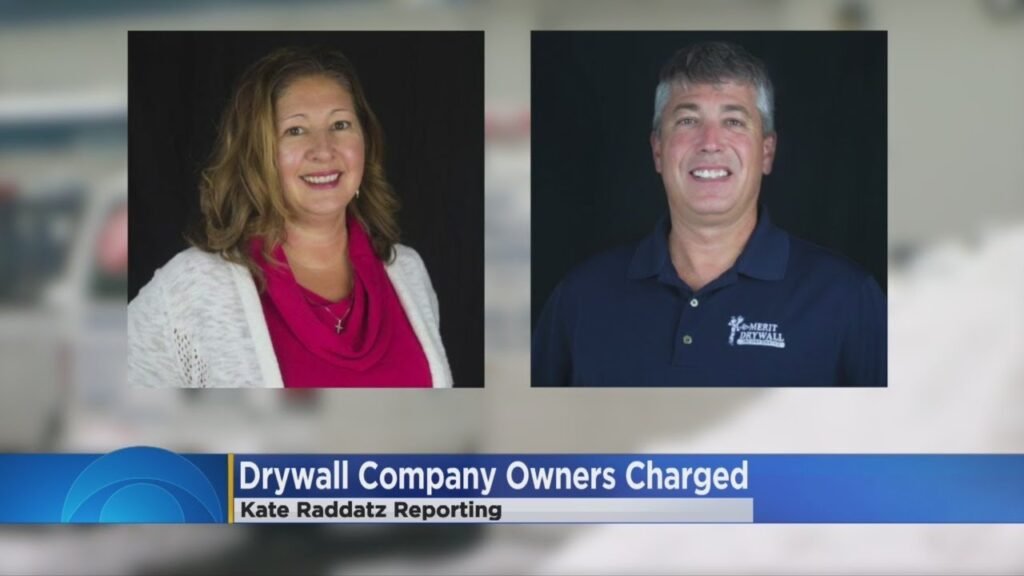
January 15, 2025 | JacobiJournal.com — Compensation fraud charges have been filed against Cristino Tapia Castaneda, the owner of Texana Drywall Construction in Texas. He is scheduled to appear in Travis County District Court on February 12 to face three counts of fraud totaling $170,000, according to the Texas Department of Insurance Division of Workers’ Compensation (DWC). Charges Against Castaneda and Texana Drywall Construction In November, a grand jury indicted Castaneda on charges of Securing Execution of Document by Deception, a second-degree felony. Additionally, Texana Drywall Construction faces accusations of Insurance Fraud and Fraudulently Obtaining Worker’s Compensation Coverage, both classified as state jail felonies. Texas Drywall Company Owner Allegations and Investigation Findings The DWC’s Compensation Fraud Unit conducted a detailed investigation, revealing that Castaneda and his company allegedly misled multiple workers’ compensation insurance providers. They reportedly secured coverage for large, high-profile construction projects in Austin through deceptive means. Furthermore, the investigation uncovered that Castaneda falsified payroll information to significantly reduce the premiums his company had to pay. Insurance Providers Affected These fraudulent activities impacted major insurance carriers, including Texas Mutual and National Specialty Insurance, as reported by the DWC. The insurers were deceived by the manipulated information provided by Castaneda and his company. For full coverage, see the Business Insurance. FAQs: Texas Drywall Company Workers’ Compensation Fraud What is this workers’ compensation fraud case about? It involves allegations that Texana Drywall Construction and its owner falsified payroll and misled insurers to reduce premium costs. What charges were filed against the drywall company owner? Cristino Castaneda faces three felony counts, including securing execution of a document by deception and insurance fraud. Which insurance providers were impacted by the scheme? The fraud affected major carriers such as Texas Mutual and National Specialty Insurance, according to the Texas Department of Insurance. When is the court hearing scheduled? Castaneda is set to appear in Travis County District Court on February 12, 2025. How do I report workers’ compensation fraud in Texas? Workers’ compensation fraud in Texas can be reported to the Texas Department of Insurance, Division of Workers’ Compensation (DWC), either online, by phone, or via mail. The DWC investigates suspected fraud by employers, employees, or third parties. What is a possible consequence of filing a false workers’ compensation claim? Filing a false workers’ compensation claim can result in criminal charges, fines, restitution, and potential jail or prison time, depending on the severity of the fraud. Employers found committing fraud, like in this case, can face felony charges and significant financial penalties. Stay informed on corporate crime, insurance fraud, and legal accountability. Subscribe to JacobiJournal.com for expert reporting on workers’ compensation fraud cases and enforcement updates. 🔎 Read More from JacobiJournal.com:
Former Sewerage & Water Board Employee Arrested for Workers’ Compensation Fraud

January 2, 2025 | JacobiJournal.com — Compensation fraud is at the center of a recent case in Louisiana. The Louisiana Bureau of Investigation (LBI), under Attorney General Liz Murrill, has arrested Ederik Trask, a former employee of the Sewerage & Water Board of New Orleans. Trask, who resides in Metairie, is accused of workers’ compensation fraud. Specifically, he allegedly misrepresented his employment status while receiving benefits. Cases of compensation fraud like this highlight how even trusted employees can exploit benefit systems designed to protect injured workers. When individuals misrepresent their employment status or income, it not only undermines public trust but also drives up costs for both taxpayers and honest policyholders who rely on fair claims processes. Complaint and Investigation On August 27, 2024, the Sewerage & Water Board formally complained to the LBI, alleging fraudulent activity by Trask. Investigators soon discovered that Trask had been working for a rideshare company while collecting workers’ compensation benefits. This dual employment, however, violates Louisiana law, which mandates truthful reporting for benefit claims. The discovery underscores how compensation fraud often involves hidden employment or unreported income, making it difficult for regulators to detect without thorough investigations. Such cases not only jeopardize the financial stability of the benefits system but also place an unfair burden on honest workers and employers who rely on these programs for legitimate claims. Legal Action Taken by Sewerage & Water Board After gathering sufficient evidence, LBI Special Agents quickly obtained an arrest warrant for Trask. He is now charged under Louisiana Revised Statute 23:1208 C.1, which forbids false statements about claims exceeding $10,000. Subsequently, on December 20, 2024, Trask surrendered at the Orleans Parish Jail. There, authorities arrested and booked him without any issues. This legal action highlights Louisiana’s strict stance on compensation fraud, particularly cases involving significant financial misrepresentation. By pursuing charges under state law, investigators aim to uphold the integrity of the benefits system while deterring other employees from attempting similar schemes that exploit taxpayer-funded resources. Ongoing Investigation The investigation is ongoing, as authorities continue to examine the details surrounding the alleged fraud. Meanwhile, the Louisiana Attorney General’s Office emphasizes its commitment to holding individuals accountable for abusing public resources. Consequently, they are determined to maintain the integrity of the workers’ compensation system. Authorities note that tackling compensation fraud remains a critical priority because such schemes drain valuable resources and weaken protections for legitimately injured employees. By pursuing this case, the Louisiana Attorney General’s Office aims to send a clear message that fraudulent claims will be met with serious consequences, reinforcing the state’s broader strategy to deter abuse within the workers’ compensation framework. For additional insights into fraud prevention and workers’ comp cases, visit the Louisiana Workforce Commission, which provides official resources on compliance, claims, and enforcement. FAQs: Workers’ Compensation Fraud What is workers’ compensation fraud in Louisiana? Workers’ compensation fraud occurs when someone provides false information to obtain benefits, such as working another job while collecting payments. What happened in the Sewerage & Water Board workers’ compensation fraud case? Investigators found that former employee Ederik Trask allegedly worked for a rideshare company while receiving workers’ comp benefits. What penalties apply for workers’ compensation fraud in Louisiana? Those convicted can face fines, restitution, criminal charges, and loss of benefits under Louisiana Revised Statute 23:1208. How does Louisiana investigate workers’ compensation fraud? The Louisiana Bureau of Investigation works with state agencies to review claims, track financial discrepancies, and prosecute fraudulent activity. What are the consequences of workers’ compensation fraud in Louisiana? Consequences can include criminal charges, fines, restitution, loss of benefits, and possible jail time. Convictions also damage the individual’s credibility and can affect future employment opportunities. Is workers’ compensation fraud a federal crime? Workers’ compensation fraud is generally prosecuted under state law. However, if the fraud involves federal programs, interstate activity, or mail and wire fraud, federal charges could apply alongside state penalties. What are the red flags for workers’ compensation fraud? Red flags include collecting benefits while working another job, inconsistent medical records, sudden lifestyle changes, exaggerated injuries, or suspicious claims that don’t match documented work duties. Stay informed on fraud investigations, legal actions, and public accountability cases. Subscribe to JacobiJournal.com for updates and expert reporting on workers’ compensation fraud and related financial crimes. 🔎 Read More from JacobiJournal.com:
Lifetime-Banned Fraudster Faces New Charges in $100M Workers’ Compensation Scheme

December 30, 2024 | JacobiJournal.com — Compensation fraud scheme involving a lifetime-banned fraudster: In a stunning development, a man previously banned from California’s workers’ compensation system for life has been charged with orchestrating a fraud scheme that racked up nearly $100 million in fraudulent claims. David Fish, alongside a San Diego-based neurosurgeon and two other alleged co-conspirators, faces 13 felony counts, including insurance fraud and conspiracy. The alleged scheme highlights the sophisticated methods fraudsters can employ to exploit the workers’ compensation system. Authorities say the defendants used a network of medical providers and management companies to funnel patients and inflate medical billing. These tactics included directing referrals to specific clinics, submitting unnecessary tests and treatments, and utilizing compound pharmacies to maximize reimbursements. Such schemes not only burden insurers with significant financial losses but also jeopardize the integrity of the system, potentially delaying care and compensation for legitimate injured workers. Law enforcement and insurance fraud investigators continue to emphasize the importance of vigilance and rigorous oversight in preventing such large-scale abuses. The Alleged Scheme Lifetime-Banned Fraudster: David Fish, 55, of Laguna Niguel, collaborated with Martin Brill, 78, Robert Lee, 61, and Dr. Vrijesh Tantuwaya to form Southern California Injured Workers (SCIW), a management company providing medical services. They also created a medical group, Injured Workers Medical Group, where Dr. Tantuwaya acted as CEO. Through this network, SCIW reportedly steered patient referrals to a limited group of providers who agreed to pay illegal referral fees. These services ranged from diagnostic testing to prescriptions from compound pharmacies. Between 2020 and 2023, the defendants allegedly billed workers’ compensation insurers close to $100 million, funneling profits from unlawful referrals back into the network. Charges and Potential Penalties The Orange County District Attorney’s Office charged the group following a three-year investigation. The 13 felony counts include violations of labor laws, conspiracy statutes, and insurance fraud regulations. If convicted: Deputy District Attorney Kelly Albright of the Insurance Fraud Unit is leading the prosecution. Ongoing Issues in Workers’ Compensation This case highlights the challenges California’s workers’ compensation system faces in combating fraud. Illegal schemes not only drain resources but also harm injured workers who depend on the system for proper medical care and fair compensation. For full details on charges and the investigation, visit the Orange County District Attorney’s Office official page. FAQs: Workers’ Compensation Fraud Scheme What is the workers’ compensation fraud scheme David Fish is accused of? David Fish and his alleged co-conspirators are accused of funneling patient referrals and medical billing into a $100M workers’ compensation fraud scheme. Who are the main defendants in the compensation fraud scheme? David Fish, Martin Brill, Robert Lee, and Dr. Vrijesh Tantuwaya are charged in connection with the alleged scheme in Southern California. What penalties could result from this fraud scheme? If convicted, the defendants face multiple years in prison, including up to 18 years for David Fish, under California insurance fraud and conspiracy laws. How does this compensation fraud scheme affect the system? Fraud schemes drain resources, increase costs for insurers, and can compromise care and benefits for legitimate injured workers. What are the penalties for David Fish and the co-conspirators? David Fish and the other defendants could face long prison terms if convicted under California insurance fraud and conspiracy laws. Subscribe to JacobiJournal.com for ongoing updates on workers’ compensation fraud, legal enforcement actions, and investigations impacting California employees and insurers. 🔎 Read More from JacobiJournal.com:
California Vocational School CEO Faces 23 Felony Charges for Insurance Fraud

December 24, 2024 | JacobiJournal.com — California Vocational School CEO: Hazel Ortega, the CEO of one of California’s largest vocational return-to-work counselling centers, is facing 23 felony charges, including insurance fraud, theft, and forgery. Ortega, 53, who resides in La Habra, appeared in court this week after a California Department of Insurance (CDI) investigation uncovered evidence of her alleged fraudulent activities. The case has drawn significant attention from both state regulators and industry experts, as it underscores growing concerns about fraudulent practices within vocational rehabilitation services. Authorities noted that misuse of the Supplemental Job Displacement Benefit program not only defrauds insurers but also deprives injured workers of legitimate opportunities for retraining and reemployment. Legal analysts suggest the outcome of Ortega’s prosecution could influence future oversight and compliance standards for vocational counselling centers across California. Allegations of Forgery and Coercion The CDI launched its investigation following complaints from insurers who accused Ortega of defrauding at least four insurance companies. According to the allegations, Ortega forged documents on behalf of injured workers without their knowledge or consent. Her business, Ortega Counseling Center, reportedly referred injured workers to unapproved schools ineligible to receive voucher funds through California’s Supplemental Job Displacement Benefit (SJDB) program. The SJDB program provides financial assistance of $6,000 to $10,000 for injured workers seeking educational retraining or skill enhancement. To qualify, workers must use the funds at state-approved or accredited institutions. Ortega, however, pressured injured workers to attend unapproved schools and failed to inform them of alternative, eligible options. Detectives interviewed injured workers who had SJDB and vocational counselling invoices submitted by Ortega. These workers revealed they never saw or reviewed the forms Ortega submitted to insurers on their behalf. A History of Fraudulent Schemes This is not the first time Ortega has faced legal trouble. She was previously charged in Los Angeles County for her role in a separate insurance fraud scheme that reportedly netted nearly $1 million. Investigators allege that Ortega, along with other vocational counsellors, received approximately $500,000 in illegal kickbacks for referring injured workers to a fraudulent school in the Los Angeles area. The Los Angeles County District Attorney’s Office is currently prosecuting Ortega’s case. If convicted, she could face significant penalties, including restitution to defrauded insurers and potential prison time. Broader Implications for Injured Workers This case highlights critical vulnerabilities within programs designed to assist injured workers. Fraudulent activities like those alleged against Ortega undermine the integrity of vital benefits, leaving already vulnerable individuals without the support they need to return to work. For official details on ongoing fraud prosecutions, visit the California Department of Insurance press releases. FAQs: California Vocational School CEO What charges does the California Vocational School CEO face? The California Vocational School CEO, Hazel Ortega, faces 23 felony charges including insurance fraud, theft, and forgery. How did the California Vocational School CEO allegedly commit insurance fraud? Investigators allege the California Vocational School CEO forged documents and coerced injured workers into unapproved schools to misuse voucher funds. What role does the SJDB program play in the California Vocational School CEO case? The SJDB program provides retraining benefits, but prosecutors allege the California Vocational School CEO misdirected workers to ineligible schools. Has the California Vocational School CEO faced fraud charges before? Yes, the California Vocational School CEO was previously linked to another fraud scheme in Los Angeles County that involved nearly $1 million in losses. Is insurance fraud a felony in California? Yes, insurance fraud can be charged as a felony in California, particularly when it involves large financial losses, forged documents, or repeated fraudulent schemes, as in the case of Hazel Ortega. What are the consequences of insurance fraud? Consequences may include criminal charges, prison time, restitution to defrauded insurers, fines, and professional sanctions. Felony convictions, like those alleged against Ortega, can also carry long-term legal and financial repercussions. Is insurance fraud a major crime? Yes, insurance fraud is considered a major crime because it affects insurers, policyholders, and public trust. Large-scale or repeated fraud can lead to severe penalties and increased regulatory oversight. Stay ahead of the latest fraud and workers’ compensation cases—subscribe to JacobiJournal.com for breaking news, expert analysis, and legal insights. 🔎 Read More from JacobiJournal.com:
Pasadena Doctor Admits to Workers’ Compensation Fraud, Exposing Systemic Vulnerabilities

December 18, 2024 | JacobiJournal.com — A Pasadena-based physician has agreed to plead guilty to charges related to workers’ compensation fraud. This development is significant in the ongoing fight against fraudulent practices within California’s healthcare system. According to Pasadena Now, the doctor admitted to manipulating the workers’ compensation system for personal financial gain. Details of the Case The physician, whose name remains undisclosed, faced accusations of fraudulent billing practices and submitting false claims to insurance providers. These actions took place over several years, leading to substantial financial losses for workers’ compensation insurers. Prosecutors allege that the doctor exploited loopholes in the system to benefit from inflated or unnecessary medical treatments. Court documents reveal that the scheme not only harmed insurers but also undermined California’s medical and legal systems, which aim to protect injured workers. Impact on the Healthcare System Pasadena Doctor: This case highlights the broader issue of fraud within the workers’ compensation industry. Fraudulent practices burden insurers, raise premiums for employers, and erode trust in healthcare providers. Moreover, these actions compromise the availability of legitimate care for injured workers, who depend on the system for recovery. Legal Consequences By agreeing to plead guilty, the physician will face significant legal consequences, including restitution payments to affected insurers and potential jail time. Authorities remain committed to cracking down on similar fraudulent activities and ensuring justice is served. In this regard, the case will serve as a key precedent for future efforts to reduce workers’ compensation fraud in California. Preventive Measures To reduce fraud in the workers’ compensation system, experts recommend several proactive measures. These include stronger oversight mechanisms, increased collaboration between insurers and healthcare providers, and harsher penalties for offenders. Additionally, public awareness campaigns can educate stakeholders about the serious consequences of fraud. Conclusion Ultimately, this case underscores the need for vigilance and integrity within the medical and legal communities. It serves as a reminder of the importance of ethical practices to maintain trust and fairness in systems critical to public welfare. To protect the system, stakeholders across industries must work together to identify and eliminate fraud, ensuring resources go to those who genuinely need assistance. For more details on the case, refer to the U.S. Attorney’s Office press release: Department of Justice. FAQs: Pasadena Doctor Workers’ Compensation Fraud What is the significance of the Pasadena doctor’s guilty plea in the workers’ compensation fraud case? The Pasadena doctor’s guilty plea highlights the vulnerabilities within California’s workers’ compensation system, emphasizing the need for stronger oversight and preventive measures. How did the Pasadena doctor exploit the workers’ compensation system? The doctor continued to draft medical reports for the Subsequent Injuries Benefits Trust Fund (SIBTF) after being suspended, using other doctors’ names to conceal his involvement, thereby defrauding the system of millions. What are the potential consequences for the Pasadena doctor following the guilty plea? The doctor faces significant legal repercussions, including restitution payments to affected insurers and potential imprisonment, serving as a deterrent for similar fraudulent activities. What measures can be taken to prevent similar workers’ compensation fraud cases in the future? Implementing stricter oversight, enhancing collaboration between insurers and healthcare providers, and increasing penalties for offenders can help mitigate the risk of such fraudulent schemes. Are there other cases of Southern California doctors involved in healthcare fraud? Yes, the Pasadena doctor’s case is part of a broader pattern of healthcare fraud in Southern California, including incidents in hospice and other medical sectors. Authorities continue to investigate and prosecute individuals who exploit medical systems, aiming to protect insurers, employers, and patients from fraudulent practices. Stay informed about the latest developments in legal actions and regulatory news. Subscribe to JacobiJournal.com for expert analysis and updates on combating fraudulent activities in the healthcare and insurance sectors. 🔎 Read More from JacobiJournal.com:
31 Red Flags to Spot Workers’ Compensation Fraud

31 Red Flags: Workers’ compensation fraud is a serious issue that can affect businesses, employees, and insurance providers. Detecting fraud early is crucial to minimizing losses. These 31 red flags are essential for identifying potential compensation fraud within an organization. By carefully monitoring claims, reviewing injury details, and analyzing patterns, businesses and insurers can detect inconsistencies that may indicate fraudulent activity. Proactive measures, such as implementing thorough documentation, performing audits, and training staff to recognize warning signs, strengthen the ability to prevent compensation fraud and protect both employees and company resources from unnecessary losses. To help identify potential fraud, here are 31 key indicators to watch for: 1. No Witnesses to the Incident If there are no witnesses to the reported injury, this absence should raise immediate questions. In such cases, the legitimacy of the claim becomes highly suspect. 2. Employee Refusing Treatment An employee who refuses treatment or receives conflicting diagnoses often signals that the injury may not be genuine. This inconsistency is worth investigating further. 3. Delayed Reporting A significant delay in reporting an injury, especially without a valid explanation, may suggest fraudulent intent. Timely reporting is a crucial factor in validating any injury claim. 4. Inconsistent Injury Details When an employee’s account of the incident changes or seems inconsistent, it may point to a fabricated claim. Varying details should prompt further scrutiny. 5. History of Workers’ Comp Claims Employees with a history of frequent or questionable workers’ compensation claims require closer monitoring. A pattern of such claims often suggests fraud. 6. Frequent Job or Medical Provider Changes Employees who regularly switch jobs or medical providers could be trying to manipulate the system. This behavior warrants additional investigation. 7. Timing of the Incident If an injury occurs just before or after a holiday, weekend, or strike, it raises potential concerns. Fraudsters may intentionally report injuries during these times to avoid detection. 8. Near Imminent Termination or Expiring Contract Injuries reported just before a potential termination or an expiring contract may be attempts to extend benefits. Investigate if the timing seems too convenient. 9. Employee Engaged in a Side Job If an employee is found working a side job while claiming injury, this raises a major red flag. Such contradictory behavior suggests the injury might not be real. 10. Engaging in Activities Inconsistent with Injury When an employee is observed performing physical tasks that contradict their reported injury, it strongly indicates fraud. Monitor and investigate such discrepancies closely. 11. Difficulty Reaching the Employee An employee who is difficult to contact or unreachable is often trying to avoid detection. This behavior can indicate that they are hiding the truth. 12. Quick Legal Representation An employee who immediately hires an attorney or pushes for a quick settlement often has fraudulent intentions. This urgency should prompt a closer look at the case. 13. Malingering Employees who exaggerate or feign injuries to avoid work but continue performing unrelated tasks are malingering. This inconsistency should raise suspicions about the claim’s validity. 14. Cash Payments to Employees Employers who pay workers in cash may be attempting to conceal their employee numbers to reduce premium costs. This practice is frequently associated with fraud. 15. Employer Refuses to Buy Insurance An employer who refuses to purchase workers’ compensation insurance is likely trying to avoid liability and premiums. This refusal often points to fraudulent behavior. 16. Employer Denying Valid Claims If an employer repeatedly denies legitimate claims, it could indicate a fraudulent agenda and potential compensation fraud. Denial of valid claims warrants immediate attention. 17. Multiple Businesses at One Address The presence of several businesses operating from the same address could suggest that workers’ compensation fraud is being hidden. Investigate such anomalies. 18. Inconsistent Company Names A business that operates under a name that doesn’t reflect its actual services may be attempting to avoid paying accurate premiums. These inconsistencies require careful examination. 19. Employer Avoids Audits An employer who refuses to allow audits is likely trying to hide fraudulent activity. Audits are essential in detecting discrepancies and fraudulent practices. 20. Misclassified Employees Employers who misclassify employees to lower premiums, such as labeling manual laborers as office workers, are committing fraud. Flag such misclassifications for further investigation. 21. Underreporting Employee Numbers An employer who underreports their employee numbers to lower premiums is engaging in fraud. This tactic directly impacts premium assessments. 22. Misclassification of Job Types Misclassifying a worker’s job role to reduce premiums is a common fraud tactic. Employers attempting to do this should be flagged for closer scrutiny. 23. Misclassification of Contracts Misclassifying contracts allows employers to evade proper workers’ compensation premiums. These actions should be thoroughly investigated. 24. Inflating Worker Injuries Health care providers who inflate injuries for financial gain are committing fraud. Such practices should be reported and investigated promptly. 25. Fake Clinics The existence of fake or unregistered medical clinics that bill for non-existent services suggests fraudulent activity. Be aware of providers that seem suspicious. 26. Random Billing for Unnecessary Services Providers who bill for unnecessary or unrelated treatments may be attempting to commit fraud. Monitor such claims closely for signs of deception. 27. Duplicate Billing Duplicate billing for the same treatment or service is a clear indicator of fraud. Providers engaged in this practice should be investigated without delay. 28. Overcharging for Treatments Inflated charges for medical treatments that don’t match the injury type are a strong sign of fraud. Ensure that all medical billing is properly reviewed and validated. 29. Unusual Frequency of Visits An unusual increase in the frequency of medical visits or treatments, especially when there’s no improvement, suggests fraudulent activity. Investigate these cases carefully. 30. Inconsistent Billing for Services If services are billed inconsistently or do not match the reported injury, it may indicate fraud. Such billing patterns should not be ignored. 31. Corruption Among Medical Providers Corruption among medical providers, such as kickbacks or other illicit practices, often leads to large-scale fraud. Keep an eye out for patterns of corruption within the medical community. Reporting and Preventing