Ex-Westminster Police Officer Charged with Insurance Fraud After Partying on Disability Leave

Former Westminster police officer charged with workers’ compensation fraud after being spotted partying and traveling during medical leave. Tracey Leong reports for NBC4 News at 11 p.m., May 20, 2025. Credit: NBC Los Angeles — https://www.nbclosangeles.com/ May 21, 2025 | JacobiJournal.com – A former Westminster police officer faces felony charges for allegedly committing insurance fraud and workers’ compensation fraud during her disability leave, the Orange County District Attorney’s Office announced. Nicole Brown, 39, from Riverside, faces nine felony counts for making false statements to receive compensation. She also faces six counts of fraudulent insurance claims. Prosecutors added a sentencing enhancement for aggravated white-collar crime involving over $100,000. Her stepfather, attorney Peter Gregory Schuman, 57, from Buena Park, also faces felony charges for filing fraudulent insurance claims and conspiring to commit illegal acts. Injury and Disability Insurance Fraud Allegations Brown injured her forehead while arresting a suspect in March 2022. An emergency room doctor treated her and cleared her to return to work. However, she later claimed a severe concussion and went on temporary disability leave, which is now at the center of the insurance fraud investigation initiated by the Orange County District Attorney’s Office. Evidence of Contradictory Activities During this time, Brown reportedly attended the Stagecoach Music Festival in April 2023 and was seen traveling and partying. Witnesses reported her dancing and drinking, contradicting her claims of severe symptoms. Investigators also found that Brown took part in two 5K races, snowboarded, skied, attended several soccer conferences, went to baseball games, played golf, and visited Disneyland. She also enrolled in online courses, despite complaining about screen sensitivity. Defense Statement Brown’s lawyer, Brian Gurwitz, said, “Ms. Brown suffered a debilitating head injury while on duty. She plans to vigorously challenge these allegations.” Legal Consequences and Next Steps The charges highlight increased scrutiny of workers’ compensation claims when claimants’ activities conflict with their reported injuries. Brown and Schuman face serious legal consequences if convicted. Stay updated with local crime and legal news from Orange County. FAQs: About Insurance Fraud and Disability Leave Abuse What qualifies as insurance fraud during disability leave? Insurance fraud occurs when an individual knowingly provides false or misleading information to receive disability benefits. In law enforcement or public service, this often includes exaggerating injuries or continuing to claim benefits after recovery. How do investigators detect insurance fraud in disability leave cases? Insurance fraud investigators often rely on surveillance footage, social media activity, medical record reviews, and witness testimony to identify discrepancies between a claimant’s reported injuries and actual behavior. In disability fraud cases, evidence of physical activity—like traveling or partying—while on leave can trigger prosecution. What are the legal consequences of committing insurance fraud while on leave? Penalties for insurance fraud may include felony charges, restitution orders, termination of employment, and loss of future benefits. In California, convicted individuals may also face imprisonment, fines, and professional disqualification. Subscribe to JacobiJournal.com for trusted updates on law enforcement misconduct, insurance fraud cases, and public integrity prosecutions across the U.S. 🔎 Read More from JacobiJournal.com:
San Jose Security Company Owner Faces Sentence for $3.4M Insurance Fraud

May 21, 2025 | JacobiJournal.com — San Jose insurance fraud investigations have led to the sentencing of a local security company owner after a multi-year premium evasion scheme. The California Department of Insurance (CDI) announced on May 19, 2025, that investigators uncovered a large-scale insurance fraud operation involving Raul Chavez, 40, the owner of Tactical Operations Protective Services. Chavez was found guilty of felony premium fraud for underreporting more than $3.4 million in payroll, a tactic used to avoid paying workers’ compensation insurance premiums legally owed to the State Compensation Insurance Fund. Six-Year Scheme to Evade Insurance Payments From 2017 to 2023, Chavez systematically underreported his company’s payroll. He falsely claimed to the State Compensation Insurance Fund (State Fund) that he had no employees for five consecutive years. In the 2022–2023 policy year, he reported only $40,000 in payroll related to one injured employee, even though his business continued to operate in Santa Clara County. However, a detailed audit by the Department of Insurance revealed that Chavez had concealed $3,431,903 in payroll, resulting in $205,565 in unpaid workers’ compensation premiums. “Hiding true payroll amounts to reduce workers’ comp premiums puts workers at risk and gives offending companies an unfair advantage over law-abiding companies in that they can bid lower for jobs.”— Alan Barcelona, President, California Statewide Law Enforcement Association (CSLEA) Legal Consequences and Restitution Chavez accepted responsibility and pleaded guilty to felony insurance fraud. The court sentenced him to: These penalties reflect the severity of his actions and the financial damage caused to the insurance system. How San Jose Insurance Fraud Was Uncovered Through Payroll Audit The investigation began in September 2023, when State Fund filed a fraud referral. They reported that Chavez failed to disclose a workplace injury from June 2022. Although he transported the injured employee to an emergency room, he did not report the incident to State Fund, as required by law. The referral also alleged long-term payroll underreporting. CDI investigators confirmed that Chavez failed to report accurate payroll for multiple employees over six years, intentionally violating workers’ compensation requirements. Prosecutors Pursue Justice The Santa Clara County District Attorney’s Office prosecuted the case. Their efforts, in coordination with CDI’s audit and investigation, led to Chavez being held accountable for his fraudulent conduct. His actions not only violated insurance fraud laws but also jeopardized worker safety and disrupted fair business competition in the security services industry. The National Insurance Crime Bureau (NICB) also reported on the case, highlighting its significance in combating worker compensation insurance fraud statewide. FAQs: About San Jose Insurance Fraud What was the San Jose insurance fraud scheme involving Raul Chavez? The San Jose insurance fraud case involved Raul Chavez, who underreported more than $3.4 million in payroll between 2017 and 2023. This allowed him to avoid paying over $200,000 in workers’ compensation premiums, violating California insurance laws. How was the San Jose insurance fraud discovered? The fraud was discovered when the State Compensation Insurance Fund filed a referral in 2023 after Chavez failed to report a workplace injury. A follow-up audit by the California Department of Insurance confirmed years of underreported payroll. What are the consequences of committing San Jose insurance fraud? Raul Chavez pleaded guilty to felony insurance fraud. He was sentenced to 180 days in jail (via electronic monitoring), two years of probation, and ordered to pay over $225,000 in restitution—highlighting the severe legal and financial penalties for insurance fraud in California. Stay informed on major insurance fraud cases like the San Jose scheme. Subscribe to JacobiJournal.com for reliable coverage on employer fraud, workers’ compensation violations, and California enforcement updates. 🔎 Read More from JacobiJournal.com:
Attorney Liens Scrutinized in CA DWC’s Quick Suspension Over Alleged Comp Fraud

May 13, 2025 | JacobiJournal.com — Attorney Liens Scrutinized: In a decisive regulatory move, the California Division of Workers’ Compensation (DWC) has intensified oversight of attorney liens by swiftly suspending those filed by attorney Antony Gluck, who is now at the center of a major workers’ compensation fraud investigation. The DWC’s action—announced in response to Gluck’s recent indictment—reflects an evolving legal landscape where attorney liens are increasingly scrutinized for potential abuse, especially in fraud-related cases. Regulators allege that Gluck’s firm used unethical and illegal tactics to amass client liens, prompting officials to issue an immediate stay under Labor Code § 4615. While proponents of the suspension argue it protects public trust and injured workers, critics voice concern over the potential erosion of due process. This high-profile case has not only placed attorney liens under scrutiny but has also reignited debate about how swiftly the DWC should act before a conviction is secured. As the case unfolds, legal observers expect greater enforcement and compliance pressure within the workers’ compensation system—especially concerning lien practices linked to suspected fraudulent schemes. The DWC’s bold stance indicates that attorney liens scrutinized in fraud probes may face rapid regulatory responses even ahead of final court rulings. Gluck Faces Major Charges in Alleged Fraud Operation Antony Gluck, 55, now faces felony charges for conspiracy and illegal client referrals. Investigators say that from September 2021 to October 2024, he paid $388,500 to acquire 798 clients—many of whom were Spanish-speaking workers misled by a Mexico-based call center. These individuals were promised financial benefits through workers’ compensation claims. However, their information was secretly sold to attorneys like Gluck. The California Department of Insurance began investigating the scheme in 2022. Ultimately, the probe uncovered the illegal sale of over 1,100 clients for more than $550,000, implicating several individuals in a widespread operation. DWC Moves Quickly to Suspend Gluck’s Liens On April 25, 2025, the DWC publicly listed Gluck under the category of “Criminally Charged Providers Whose Liens are Stayed” pursuant to Labor Code § 4615. This move halted at least ten liens associated with his law offices across Los Angeles, Woodland Hills, and San Bernardino. These include: Although Labor Code § 4615 allows DWC to stay liens filed by providers facing criminal charges, the speed of Gluck’s suspension has caught many in the legal community off guard. Legal Community Questions Timing and Fairness Attorney Liens Scrutinized: While many support strong measures against fraud, some legal professionals question whether this response came too early. “Due process matters,” one Southern California attorney stated. “This kind of financial penalty—if premature—can devastate a law practice long before guilt is established.” The issue has reignited debate over how the DWC enforces lien suspensions. Although the law allows action before a conviction, critics argue that such measures must be balanced with the presumption of innocence. Additional Defendants Linked to the Alleged Scheme The case, officially titled People v. Antony Eli Gluck, et al. (Case No. FSB25001283), also names three co-defendants: According to investigators, Franco served as the central broker, selling 320 clients to De La Garza and Leal for $168,750, and the remaining 798 to Gluck. These individuals reportedly used false promises and deceptive tactics to exploit vulnerable workers—many unaware their personal information had been sold. What’s at Stake for the Workers’ Comp System This high-profile case underscores the fragility of trust in California’s workers’ compensation system. It also exposes how fraud schemes can exploit already marginalized groups. The DWC’s quick lien suspension has raised tough questions: Should regulatory bodies act immediately in the interest of public trust, or wait for formal convictions to uphold due process? As the San Bernardino County District Attorney’s Office continues its prosecution, the legal community will closely watch how courts balance the fight against fraud with the rights of the accused. The DWC’s rapid lien suspension of Gluck sets a bold tone for fraud prevention. However, it also risks undermining legal fairness if not carefully justified. FAQs: Attorney Liens Scrutinized Why Were Attorney Liens Scrutinized by the DWC? The California DWC scrutinized attorney liens linked to Antony Gluck after he was indicted in a workers’ compensation fraud case. The agency quickly suspended over ten liens under Labor Code § 4615. This raised concerns about whether such suspensions, without a conviction, are fair or premature. What Are the Implications of Attorney Liens Being Scrutinized Pre-Trial? When attorney liens are scrutinized before a trial concludes, it places financial and reputational strain on legal professionals. In this case, Gluck’s practice saw immediate suspension of liens even before a court ruling—sparking debate about balancing fraud prevention with due process. How Does the Scrutiny of Attorney Liens Affect Injured Workers? Attorney liens scrutinized by the DWC can delay or complicate case resolutions for injured workers. If an attorney is removed from a case mid-process due to fraud allegations, clients may face legal limbo, particularly when they were unaware of the alleged misconduct. Stay ahead of California’s workers’ compensation fraud cases, enforcement updates, and regulatory shifts. Subscribe to JacobiJournal.com for expert legal reporting and in-depth coverage on lien suspensions and due process debates. 🔎 Read More from JacobiJournal.com:
Amazon Driver Sentenced for Workers’ Comp Fraud in Staged Robbery Scheme

April 25, 2025 | JacobiJournal.com — Compensation fraud was at the center of a recent case in which a former Amazon delivery driver was sentenced to jail for orchestrating a fake robbery and filing a fraudulent workers’ compensation claim. Stacy Johnson, the driver, admitted to staging the incident in a failed attempt to collect benefits for stress and physical injuries that never occurred. Jail Time, Fines, and Probation Handed Down The San Joaquin County District Attorney’s Office announced that Johnson will serve four months in county jail. In addition, he will be on probation for two years and must pay $5,000 in financial penalties. This includes $2,000 in restitution to Amazon and $3,000 to reimburse investigative costs. “Workers’ compensation fraud is not a victimless crime,” said District Attorney Ron Freitas. “It directly impacts local businesses and ultimately drives up the cost of goods for all consumers.” How the Fraud Unfolded Amazon Driver Sentenced: According to investigators, Johnson staged the robbery of his own Amazon delivery truck and then filed a false claim for psychological trauma and physical ailments. However, the ruse quickly unraveled under scrutiny. Had the fraud gone undetected, Amazon would have paid nearly $35,000 in unwarranted benefits. More importantly, that financial burden would likely have been passed on to customers through higher retail prices. Crackdown on Workers’ Compensation Fraud Authorities have made it clear: San Joaquin County will not tolerate attempts to exploit the workers’ compensation system. As part of a broader campaign to eliminate insurance fraud, prosecutors are targeting these cases with renewed urgency. “This successful prosecution shows our ongoing commitment to exposing and stopping fraud,” Freitas added. “We will protect our workers and our economy.” Why It Matters Cases like this highlight how fraudulent claims can damage trust in legitimate systems. While the workers’ compensation program exists to support injured employees, abuse by a few undermines its credibility for all. Moving forward, local officials plan to continue public outreach efforts and collaborate with employers and insurers to stop similar schemes early.surance fraud: authorities are watching, and consequences will follow. Source: San Joaquin County District Attorney’s Office FAQs: Workers’ Compensation Fraud Cases in California What is workers’ compensation fraud? Workers’ compensation fraud occurs when someone intentionally provides false information to receive benefits they are not entitled to, such as staged injuries or incidents. What penalties can result from workers’ compensation fraud? Penalties can include jail time, fines, probation, and restitution payments to employers or insurers, depending on the severity of the fraud. How can companies prevent workers’ compensation fraud? Companies can prevent workers’ compensation fraud by conducting thorough claim investigations, implementing fraud detection training, and partnering with law enforcement. Visit JacobiJournal.com for ongoing coverage, legal analysis, and expert commentary on fraud investigations nationwide. 🔎 Read More from JacobiJournal.com:
Philadelphia Man Admits to Stealing Deceased Classmate’s Identity for Fraudulent Schemes

February 12, 2025 | JacobiJournal.com — Stealing Deceased Classmate’s Identity: A Philadelphia man has pleaded guilty to multiple felony charges after authorities discovered he had stolen the identity of a deceased classmate and used it to commit fraud. Attorney General Dave Sunday announced that Anthony Percell admitted to identity theft, insurance fraud, theft by deception, and forgery in Philadelphia County Court. Cases involving stolen identities of deceased individuals are particularly troubling because they often go undetected for years. Experts note that criminals exploit gaps in death records and reporting systems, making it easier to assume a false identity without immediate suspicion. This form of identity theft not only deceives institutions but also causes additional pain for families of the deceased, who may face unexpected legal or financial complications when the fraud is uncovered. Decades-Old Identity Theft Uncovered Investigators found that Percell had assumed the identity of a former classmate who died in 1986. He used the stolen information to obtain a driver’s license, register a vehicle, apply for a concealed carry firearms permit, and secure insurance. In a more elaborate scheme, he even filed a fraudulent workers’ compensation claim under the deceased individual’s name. Percell’s crimes extended beyond state violations. Federal prosecutors also charged him for using the false identity to obtain a U.S. passport and gain airport access—both serious offenses that raised national security concerns. Sentencing and Legal Consequences Under a plea agreement, Percell will serve a prison sentence ranging from six to 23 months, followed by seven years of probation. Additionally, he is permanently barred from using anyone else’s identity for any reason. The court also ordered him to forfeit all assets and documents obtained through fraud. Attorney General Sunday condemned the scheme, emphasizing its potential risks: “This defendant brazenly stole the identity of a classmate who died decades ago and used that information to apply for a concealed firearms permit and other privileges, potentially putting the public at risk.” A Warning on Identity Theft and Fraud Cases like this highlight the dangers of identity theft, especially when used to commit multiple forms of fraud. Law enforcement agencies continue to crack down on individuals who manipulate personal information for financial and legal gain. For consumers, the risks go beyond financial loss. Identity theft can damage credit scores, delay loan approvals, and even create legal complications if stolen information is tied to criminal activity. Experts recommend monitoring credit reports regularly, safeguarding personal documents, and reporting suspicious activity immediately to reduce exposure to fraud. Read the full report from the Pennsylvania Attorney General’s Office. FAQs: About the Philadelphia Identity Theft Case What did investigators uncover in this Philadelphia identity theft case? They discovered the man had stolen the identity of a classmate who died in 1986, using it to commit fraud and obtain official documents. How was identity theft connected to insurance fraud in this case? The defendant used the stolen identity to secure insurance and even filed a fraudulent workers’ compensation claim. What legal consequences follow identity theft convictions like this one? In this case, the plea deal included a prison term of six to 23 months, probation, and a permanent ban on using another person’s identity. Why is identity theft considered a serious crime? It undermines public safety, increases financial risks, and can even raise national security concerns when used to obtain documents like passports. What happens if someone steals the identity of a deceased person? Stealing the identity of a deceased individual is a serious crime. It can be used to commit fraud, open accounts, or obtain official documents, and may result in criminal charges including identity theft, forgery, and fraud. Families of the deceased may also face legal or financial complications. What is the penalty for identity theft in PA? In Pennsylvania, identity theft can carry felony charges. Penalties may include prison time, probation, fines, and restitution. In this case, the defendant received six to 23 months in prison and seven years of probation, along with a permanent ban on using anyone else’s identity. Stay informed on breaking legal cases and fraud investigations. Subscribe to JacobiJournal.com for trusted updates. 🔎 Read More from JacobiJournal.com:
Washington Man on Workers’ Comp for 3 Years Caught Lifting Heavy Table

January 29, 2025 | JacobiJournal.com — Washington Man Caught Lifting: A Pierce County man must repay more than $60,000 to Washington’s workers’ compensation fund after investigators discovered he had been working while collecting benefits. The case is a clear example of workers’ compensation fraud, as video evidence showed him lifting a 48-pound table—far exceeding his medical restrictions. Workers’ compensation fraud cases like this highlight how false claims undermine the system designed to protect legitimately injured workers. When individuals misrepresent their medical conditions to continue receiving benefits, it not only drains state resources but also increases insurance costs for employers and makes it harder for truly injured employees to access the support they need. Claimed Injury, But Kept Working Juan P. Delgado, a roofer in Tacoma, suffered back, ankle, and knee injuries in March 2019 after falling over six feet from a ladder. His doctor determined he could not work, and Delgado repeatedly submitted official forms affirming his inability to hold a job. However, in early 2021, a private investigator—hired by his former employer—reported that Delgado had been working. The Washington State Department of Labor & Industries (L&I) launched its own investigation and found that just weeks after his injury, he resumed working as a custodian, roofer, and house-cleaner. Video Evidence Uncovers the Truth In October 2022, an undercover L&I investigator approached Delgado near a Tacoma house and asked if he could have a discarded table. Delgado agreed and carried it alone for more than 50 feet—unaware that another investigator was filming the scene. Later, investigators weighed the table and found it was 48.6 pounds, nearly double the 25-pound limit imposed by his doctor. After reviewing the footage, Delgado’s physician concluded he had misrepresented his physical abilities and could have resumed roofing work much earlier. Guilty Plea Leads to Restitution and Sentencing Delgado, 51, pleaded guilty to second-degree malicious mischief, a felony, for unlawfully collecting workers’ compensation payments from April 2019 to January 2022. A Pierce County judge ordered him to pay $60,116 in restitution and serve 20 days on electronic home monitoring. The Washington State Attorney General’s Office prosecuted the case. In addition to financial penalties, the guilty plea underscores how seriously Washington courts treat workers’ compensation fraud. Prosecutors emphasized that even short-term schemes can lead to felony charges, restitution orders, and restrictions on personal freedom. While the electronic home monitoring sentence is less severe than jail time, it still reflects the court’s intent to hold offenders accountable while allowing them to maintain limited community access under strict supervision. Cases like Delgado’s serve as a warning that fraudulent claims are aggressively pursued and carry long-lasting legal and financial consequences. Restitution in workers’ compensation fraud cases is not optional; it is a court-ordered obligation. If defendants like Delgado fail to make scheduled payments, the state can enforce restitution through wage garnishment, tax refund interception, or even placing liens on property. These enforcement measures ensure that stolen funds are repaid to the workers’ compensation system, protecting the integrity of state resources. For many offenders, the financial impact of restitution lasts years beyond the initial conviction, serving as both a penalty and a deterrent against future fraud. Read the full report from Washington State L&I. FAQs: Workers’ Compensation Fraud What is workers’ compensation fraud? Workers’ compensation fraud occurs when someone lies about their injury or ability to work in order to keep receiving benefits they are not entitled to. How was the Washington man caught committing workers’ compensation fraud? Investigators filmed him lifting a 48-pound table, well above his doctor’s restriction, proving he misrepresented his condition while collecting benefits. What are the penalties for workers’ compensation fraud? Penalties can include restitution, probation, electronic monitoring, or even prison time, depending on the scale and intent of the fraud. Why is workers’ compensation fraud a serious issue? Fraudulent claims drain state funds, raise insurance premiums for employers, and undermine the system designed to protect legitimately injured workers. How long do I have to file a workers’ comp claim in Washington state? Workers in Washington generally have three years from the date of injury to file a claim with L&I. However, it’s best to report injuries as soon as possible to avoid delays in medical treatment and wage benefits. Certain exceptions may apply for latent injuries or occupational illnesses. Is Washington L&I the same as Workers Comp? Yes. In Washington state, the Department of Labor & Industries (L&I) administers the state’s workers’ compensation program. While “workers’ comp” is the benefit system itself, L&I is the government agency that manages claims, enforces regulations, and investigates potential fraud. Don’t miss real cases that shape workplace law and fraud enforcement. Subscribe to JacobiJournal.com today and stay ahead of the headlines. 🔎 Read More from JacobiJournal.com:
Texas Drywall Company Owner Indicted for Workers’ Compensation Fraud
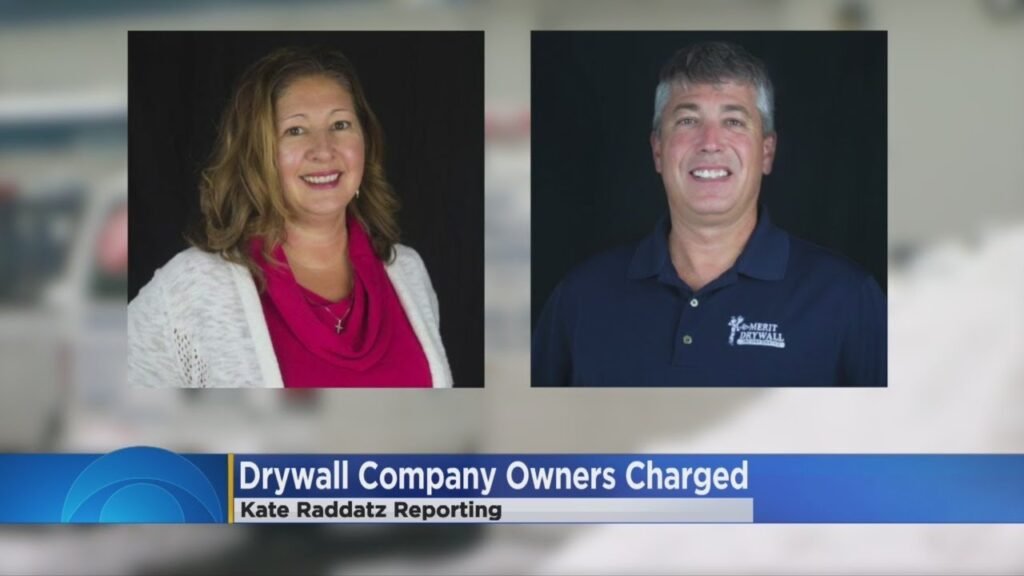
January 15, 2025 | JacobiJournal.com — Compensation fraud charges have been filed against Cristino Tapia Castaneda, the owner of Texana Drywall Construction in Texas. He is scheduled to appear in Travis County District Court on February 12 to face three counts of fraud totaling $170,000, according to the Texas Department of Insurance Division of Workers’ Compensation (DWC). Charges Against Castaneda and Texana Drywall Construction In November, a grand jury indicted Castaneda on charges of Securing Execution of Document by Deception, a second-degree felony. Additionally, Texana Drywall Construction faces accusations of Insurance Fraud and Fraudulently Obtaining Worker’s Compensation Coverage, both classified as state jail felonies. Texas Drywall Company Owner Allegations and Investigation Findings The DWC’s Compensation Fraud Unit conducted a detailed investigation, revealing that Castaneda and his company allegedly misled multiple workers’ compensation insurance providers. They reportedly secured coverage for large, high-profile construction projects in Austin through deceptive means. Furthermore, the investigation uncovered that Castaneda falsified payroll information to significantly reduce the premiums his company had to pay. Insurance Providers Affected These fraudulent activities impacted major insurance carriers, including Texas Mutual and National Specialty Insurance, as reported by the DWC. The insurers were deceived by the manipulated information provided by Castaneda and his company. For full coverage, see the Business Insurance. FAQs: Texas Drywall Company Workers’ Compensation Fraud What is this workers’ compensation fraud case about? It involves allegations that Texana Drywall Construction and its owner falsified payroll and misled insurers to reduce premium costs. What charges were filed against the drywall company owner? Cristino Castaneda faces three felony counts, including securing execution of a document by deception and insurance fraud. Which insurance providers were impacted by the scheme? The fraud affected major carriers such as Texas Mutual and National Specialty Insurance, according to the Texas Department of Insurance. When is the court hearing scheduled? Castaneda is set to appear in Travis County District Court on February 12, 2025. How do I report workers’ compensation fraud in Texas? Workers’ compensation fraud in Texas can be reported to the Texas Department of Insurance, Division of Workers’ Compensation (DWC), either online, by phone, or via mail. The DWC investigates suspected fraud by employers, employees, or third parties. What is a possible consequence of filing a false workers’ compensation claim? Filing a false workers’ compensation claim can result in criminal charges, fines, restitution, and potential jail or prison time, depending on the severity of the fraud. Employers found committing fraud, like in this case, can face felony charges and significant financial penalties. Stay informed on corporate crime, insurance fraud, and legal accountability. Subscribe to JacobiJournal.com for expert reporting on workers’ compensation fraud cases and enforcement updates. 🔎 Read More from JacobiJournal.com:
Former Sewerage & Water Board Employee Arrested for Workers’ Compensation Fraud

January 2, 2025 | JacobiJournal.com — Compensation fraud is at the center of a recent case in Louisiana. The Louisiana Bureau of Investigation (LBI), under Attorney General Liz Murrill, has arrested Ederik Trask, a former employee of the Sewerage & Water Board of New Orleans. Trask, who resides in Metairie, is accused of workers’ compensation fraud. Specifically, he allegedly misrepresented his employment status while receiving benefits. Cases of compensation fraud like this highlight how even trusted employees can exploit benefit systems designed to protect injured workers. When individuals misrepresent their employment status or income, it not only undermines public trust but also drives up costs for both taxpayers and honest policyholders who rely on fair claims processes. Complaint and Investigation On August 27, 2024, the Sewerage & Water Board formally complained to the LBI, alleging fraudulent activity by Trask. Investigators soon discovered that Trask had been working for a rideshare company while collecting workers’ compensation benefits. This dual employment, however, violates Louisiana law, which mandates truthful reporting for benefit claims. The discovery underscores how compensation fraud often involves hidden employment or unreported income, making it difficult for regulators to detect without thorough investigations. Such cases not only jeopardize the financial stability of the benefits system but also place an unfair burden on honest workers and employers who rely on these programs for legitimate claims. Legal Action Taken by Sewerage & Water Board After gathering sufficient evidence, LBI Special Agents quickly obtained an arrest warrant for Trask. He is now charged under Louisiana Revised Statute 23:1208 C.1, which forbids false statements about claims exceeding $10,000. Subsequently, on December 20, 2024, Trask surrendered at the Orleans Parish Jail. There, authorities arrested and booked him without any issues. This legal action highlights Louisiana’s strict stance on compensation fraud, particularly cases involving significant financial misrepresentation. By pursuing charges under state law, investigators aim to uphold the integrity of the benefits system while deterring other employees from attempting similar schemes that exploit taxpayer-funded resources. Ongoing Investigation The investigation is ongoing, as authorities continue to examine the details surrounding the alleged fraud. Meanwhile, the Louisiana Attorney General’s Office emphasizes its commitment to holding individuals accountable for abusing public resources. Consequently, they are determined to maintain the integrity of the workers’ compensation system. Authorities note that tackling compensation fraud remains a critical priority because such schemes drain valuable resources and weaken protections for legitimately injured employees. By pursuing this case, the Louisiana Attorney General’s Office aims to send a clear message that fraudulent claims will be met with serious consequences, reinforcing the state’s broader strategy to deter abuse within the workers’ compensation framework. For additional insights into fraud prevention and workers’ comp cases, visit the Louisiana Workforce Commission, which provides official resources on compliance, claims, and enforcement. FAQs: Workers’ Compensation Fraud What is workers’ compensation fraud in Louisiana? Workers’ compensation fraud occurs when someone provides false information to obtain benefits, such as working another job while collecting payments. What happened in the Sewerage & Water Board workers’ compensation fraud case? Investigators found that former employee Ederik Trask allegedly worked for a rideshare company while receiving workers’ comp benefits. What penalties apply for workers’ compensation fraud in Louisiana? Those convicted can face fines, restitution, criminal charges, and loss of benefits under Louisiana Revised Statute 23:1208. How does Louisiana investigate workers’ compensation fraud? The Louisiana Bureau of Investigation works with state agencies to review claims, track financial discrepancies, and prosecute fraudulent activity. What are the consequences of workers’ compensation fraud in Louisiana? Consequences can include criminal charges, fines, restitution, loss of benefits, and possible jail time. Convictions also damage the individual’s credibility and can affect future employment opportunities. Is workers’ compensation fraud a federal crime? Workers’ compensation fraud is generally prosecuted under state law. However, if the fraud involves federal programs, interstate activity, or mail and wire fraud, federal charges could apply alongside state penalties. What are the red flags for workers’ compensation fraud? Red flags include collecting benefits while working another job, inconsistent medical records, sudden lifestyle changes, exaggerated injuries, or suspicious claims that don’t match documented work duties. Stay informed on fraud investigations, legal actions, and public accountability cases. Subscribe to JacobiJournal.com for updates and expert reporting on workers’ compensation fraud and related financial crimes. 🔎 Read More from JacobiJournal.com:
Lifetime-Banned Fraudster Faces New Charges in $100M Workers’ Compensation Scheme

December 30, 2024 | JacobiJournal.com — Compensation fraud scheme involving a lifetime-banned fraudster: In a stunning development, a man previously banned from California’s workers’ compensation system for life has been charged with orchestrating a fraud scheme that racked up nearly $100 million in fraudulent claims. David Fish, alongside a San Diego-based neurosurgeon and two other alleged co-conspirators, faces 13 felony counts, including insurance fraud and conspiracy. The alleged scheme highlights the sophisticated methods fraudsters can employ to exploit the workers’ compensation system. Authorities say the defendants used a network of medical providers and management companies to funnel patients and inflate medical billing. These tactics included directing referrals to specific clinics, submitting unnecessary tests and treatments, and utilizing compound pharmacies to maximize reimbursements. Such schemes not only burden insurers with significant financial losses but also jeopardize the integrity of the system, potentially delaying care and compensation for legitimate injured workers. Law enforcement and insurance fraud investigators continue to emphasize the importance of vigilance and rigorous oversight in preventing such large-scale abuses. The Alleged Scheme Lifetime-Banned Fraudster: David Fish, 55, of Laguna Niguel, collaborated with Martin Brill, 78, Robert Lee, 61, and Dr. Vrijesh Tantuwaya to form Southern California Injured Workers (SCIW), a management company providing medical services. They also created a medical group, Injured Workers Medical Group, where Dr. Tantuwaya acted as CEO. Through this network, SCIW reportedly steered patient referrals to a limited group of providers who agreed to pay illegal referral fees. These services ranged from diagnostic testing to prescriptions from compound pharmacies. Between 2020 and 2023, the defendants allegedly billed workers’ compensation insurers close to $100 million, funneling profits from unlawful referrals back into the network. Charges and Potential Penalties The Orange County District Attorney’s Office charged the group following a three-year investigation. The 13 felony counts include violations of labor laws, conspiracy statutes, and insurance fraud regulations. If convicted: Deputy District Attorney Kelly Albright of the Insurance Fraud Unit is leading the prosecution. Ongoing Issues in Workers’ Compensation This case highlights the challenges California’s workers’ compensation system faces in combating fraud. Illegal schemes not only drain resources but also harm injured workers who depend on the system for proper medical care and fair compensation. For full details on charges and the investigation, visit the Orange County District Attorney’s Office official page. FAQs: Workers’ Compensation Fraud Scheme What is the workers’ compensation fraud scheme David Fish is accused of? David Fish and his alleged co-conspirators are accused of funneling patient referrals and medical billing into a $100M workers’ compensation fraud scheme. Who are the main defendants in the compensation fraud scheme? David Fish, Martin Brill, Robert Lee, and Dr. Vrijesh Tantuwaya are charged in connection with the alleged scheme in Southern California. What penalties could result from this fraud scheme? If convicted, the defendants face multiple years in prison, including up to 18 years for David Fish, under California insurance fraud and conspiracy laws. How does this compensation fraud scheme affect the system? Fraud schemes drain resources, increase costs for insurers, and can compromise care and benefits for legitimate injured workers. What are the penalties for David Fish and the co-conspirators? David Fish and the other defendants could face long prison terms if convicted under California insurance fraud and conspiracy laws. Subscribe to JacobiJournal.com for ongoing updates on workers’ compensation fraud, legal enforcement actions, and investigations impacting California employees and insurers. 🔎 Read More from JacobiJournal.com:
California Vocational School CEO Faces 23 Felony Charges for Insurance Fraud

December 24, 2024 | JacobiJournal.com — California Vocational School CEO: Hazel Ortega, the CEO of one of California’s largest vocational return-to-work counselling centers, is facing 23 felony charges, including insurance fraud, theft, and forgery. Ortega, 53, who resides in La Habra, appeared in court this week after a California Department of Insurance (CDI) investigation uncovered evidence of her alleged fraudulent activities. The case has drawn significant attention from both state regulators and industry experts, as it underscores growing concerns about fraudulent practices within vocational rehabilitation services. Authorities noted that misuse of the Supplemental Job Displacement Benefit program not only defrauds insurers but also deprives injured workers of legitimate opportunities for retraining and reemployment. Legal analysts suggest the outcome of Ortega’s prosecution could influence future oversight and compliance standards for vocational counselling centers across California. Allegations of Forgery and Coercion The CDI launched its investigation following complaints from insurers who accused Ortega of defrauding at least four insurance companies. According to the allegations, Ortega forged documents on behalf of injured workers without their knowledge or consent. Her business, Ortega Counseling Center, reportedly referred injured workers to unapproved schools ineligible to receive voucher funds through California’s Supplemental Job Displacement Benefit (SJDB) program. The SJDB program provides financial assistance of $6,000 to $10,000 for injured workers seeking educational retraining or skill enhancement. To qualify, workers must use the funds at state-approved or accredited institutions. Ortega, however, pressured injured workers to attend unapproved schools and failed to inform them of alternative, eligible options. Detectives interviewed injured workers who had SJDB and vocational counselling invoices submitted by Ortega. These workers revealed they never saw or reviewed the forms Ortega submitted to insurers on their behalf. A History of Fraudulent Schemes This is not the first time Ortega has faced legal trouble. She was previously charged in Los Angeles County for her role in a separate insurance fraud scheme that reportedly netted nearly $1 million. Investigators allege that Ortega, along with other vocational counsellors, received approximately $500,000 in illegal kickbacks for referring injured workers to a fraudulent school in the Los Angeles area. The Los Angeles County District Attorney’s Office is currently prosecuting Ortega’s case. If convicted, she could face significant penalties, including restitution to defrauded insurers and potential prison time. Broader Implications for Injured Workers This case highlights critical vulnerabilities within programs designed to assist injured workers. Fraudulent activities like those alleged against Ortega undermine the integrity of vital benefits, leaving already vulnerable individuals without the support they need to return to work. For official details on ongoing fraud prosecutions, visit the California Department of Insurance press releases. FAQs: California Vocational School CEO What charges does the California Vocational School CEO face? The California Vocational School CEO, Hazel Ortega, faces 23 felony charges including insurance fraud, theft, and forgery. How did the California Vocational School CEO allegedly commit insurance fraud? Investigators allege the California Vocational School CEO forged documents and coerced injured workers into unapproved schools to misuse voucher funds. What role does the SJDB program play in the California Vocational School CEO case? The SJDB program provides retraining benefits, but prosecutors allege the California Vocational School CEO misdirected workers to ineligible schools. Has the California Vocational School CEO faced fraud charges before? Yes, the California Vocational School CEO was previously linked to another fraud scheme in Los Angeles County that involved nearly $1 million in losses. Is insurance fraud a felony in California? Yes, insurance fraud can be charged as a felony in California, particularly when it involves large financial losses, forged documents, or repeated fraudulent schemes, as in the case of Hazel Ortega. What are the consequences of insurance fraud? Consequences may include criminal charges, prison time, restitution to defrauded insurers, fines, and professional sanctions. Felony convictions, like those alleged against Ortega, can also carry long-term legal and financial repercussions. Is insurance fraud a major crime? Yes, insurance fraud is considered a major crime because it affects insurers, policyholders, and public trust. Large-scale or repeated fraud can lead to severe penalties and increased regulatory oversight. Stay ahead of the latest fraud and workers’ compensation cases—subscribe to JacobiJournal.com for breaking news, expert analysis, and legal insights. 🔎 Read More from JacobiJournal.com: