Washington Company Fined $231,000 for Asbestos Violations
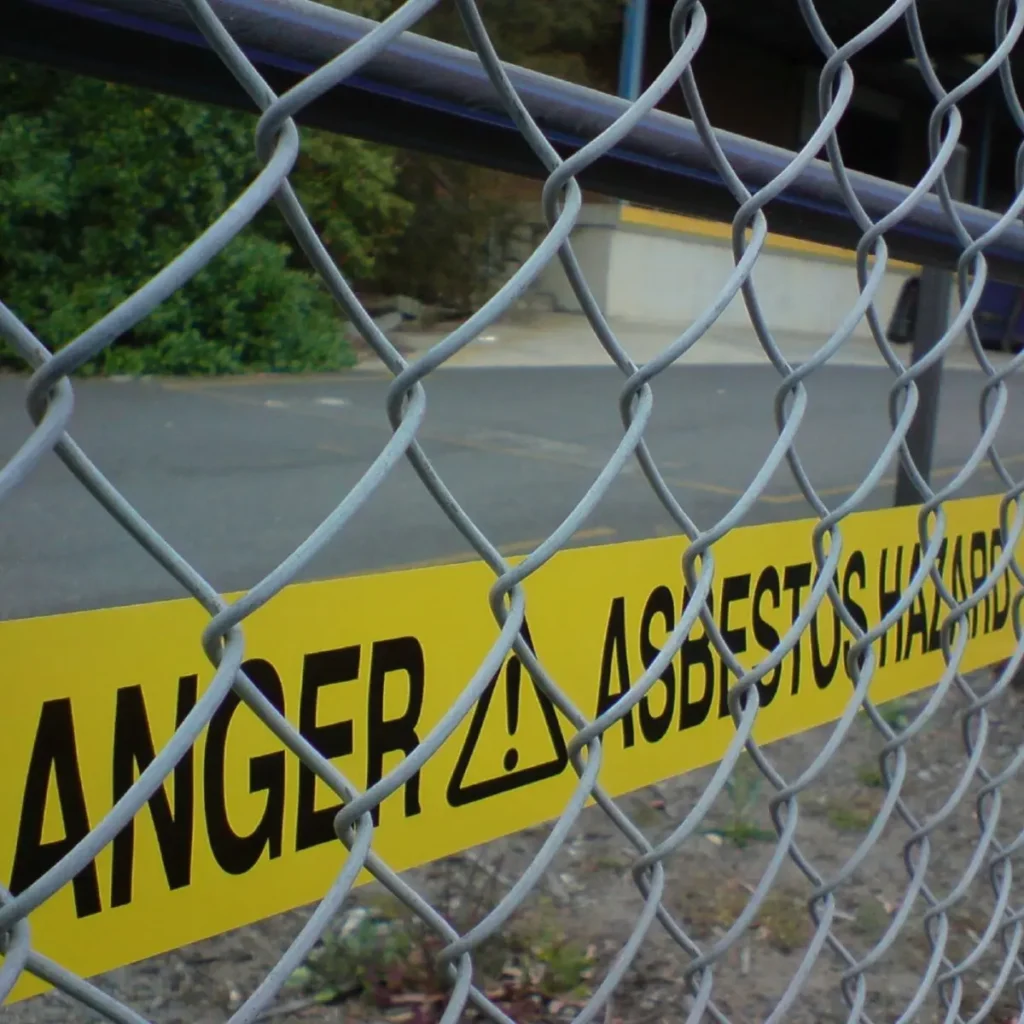
February 19, 2025 | JacobiJournal.com — Asbestos Violations: The Washington State Department of Labor & Industries (L&I) has levied a $231,000 fine against U-Haul of Spokane for exposing employees to hazardous asbestos during a building renovation. The company failed to conduct required asbestos testing before starting construction at a former K-Mart building, despite its 60-year-old structure, which raised an obvious risk of asbestos-containing materials (ACMs). Discovery of Asbestos Contamination Asbestos Violations: After the renovation had already begun, the Spokane Regional Clean Air Agency conducted an inspection and found that approximately 90,000 square feet of vinyl floor tiles and adhesive contained asbestos fibers. While U-Haul initiated some remediation efforts, nearly 7,400 square feet of asbestos-laden materials remained when the company’s service center officially opened in March 2023. Worker Safety Violations Employees unknowingly handled asbestos without proper safety measures, putting them at significant risk of long-term respiratory illnesses, including asbestosis and mesothelioma. According to L&I’s findings: As a result, L&I issued 16 serious violations, some classified as willful, meaning the company knowingly disregarded worker safety regulations. Pattern of Negligence? This case is not an isolated incident. A U-Haul franchise owner in California was cited for a similar asbestos-related violation in 2019, raising concerns about recurring safety failures within the company. Regulatory agencies may now increase scrutiny on U-Haul’s business practices, particularly regarding workplace safety and hazardous material compliance. Potential Health & Legal Consequences Asbestos exposure is a serious occupational hazard, with long-term health effects that may take decades to appear. Employees exposed to asbestos without proper precautions could face severe lung diseases, leading to potential lawsuits against the company. Given U-Haul’s previous violation history, this latest fine could open the door for further regulatory action or worker compensation claims. What’s Next for U-Haul? L&I has stated that strict enforcement measures are necessary to prevent future asbestos-related violations. U-Haul is expected to either appeal the fine or submit a corrective action plan outlining steps to improve safety protocols. Read the full violation report here. FAQs: Asbestos Violations What asbestos violations led to U-Haul of Spokane’s fine? The asbestos violations stemmed from U-Haul’s failure to test a 60-year-old building before renovations, exposing workers to asbestos in flooring and adhesives. How did investigators discover the asbestos violations? The Spokane Regional Clean Air Agency inspection revealed asbestos in about 90,000 square feet of vinyl tiles and adhesives after renovations had already begun. What risks do asbestos violations pose to workers? Asbestos violations put employees at risk of serious long-term health issues, including asbestosis, lung cancer, and mesothelioma, due to fiber inhalation. Can asbestos violations lead to further legal consequences? Yes, asbestos violations can result in lawsuits, worker compensation claims, and increased regulatory scrutiny, especially for companies with prior safety violations. How much compensation can you get for asbestos exposure? Compensation for asbestos exposure varies widely depending on the severity of illness, medical costs, lost wages, and long-term impact. Some claims result in tens of thousands of dollars, while serious cases involving mesothelioma can reach into the millions through settlements or verdicts. What is the average payout for asbestos claims? Average payouts for asbestos claims generally range from $100,000 to over $1 million, depending on the disease, level of exposure, and the company’s history of safety violations. Claims tied to workplace negligence or willful violations often result in higher compensation. Is asbestos testing required in Washington state? Yes. Washington state requires asbestos testing before any renovation or demolition project, especially in older buildings. Testing must be completed by a certified professional, and work cannot begin until the materials are properly assessed for asbestos content. Do you have to disclose asbestos when selling a house in Washington state? Sellers in Washington must disclose known hazards, including asbestos, in property disclosure forms. If asbestos is suspected or confirmed, it must be reported to potential buyers to comply with state real-estate disclosure laws. Stay updated on workplace safety enforcement, compliance actions, and regulatory cases. Subscribe to JacobiJournal.com today for in-depth reporting on asbestos violations, corporate accountability, and occupational health risks. 🔎 Read More from JacobiJournal.com:
Oregon Contractor Faces $135K Fine for Persistent Safety Violations

December 28, 2024 | JacobiJournal.com — Oregon OSHA fine: Oregon’s Occupational Safety and Health Division (OSHA) has imposed a $135,407 penalty on Newberg-based contractor View Top Construction LLC for repeatedly neglecting to protect employees from dangerous fall hazards. This significant penalty reflects Oregon OSHA’s strict enforcement of workplace safety standards and its zero-tolerance policy for recurring violations. The Oregon OSHA fine also sends a clear warning to other contractors in the state. Regulators emphasized that fall hazards remain one of the leading causes of workplace injuries and deaths in construction, making strict compliance non-negotiable. By holding companies accountable with steep financial penalties, Oregon OSHA aims to deter repeat violations and encourage safer practices on job sites across the industry. Details of the Violations of Oregon Contractor The penalty followed an inspection at a Hillsboro job site where View Top Construction was working on the roof of a residential property. As part of Oregon OSHA’s prevention-focused emphasis program targeting fall hazards across all industries, inspectors observed an employee installing roofing materials without properly using the provided fall protection system. Although the employee wore a fall protection harness, it was not connected to a fall protection anchor, exposing the worker to a potential 17-foot fall. Oregon OSHA cited the company for three distinct violations under the Oregon Safe Employment Act: Increased Penalties for Repeat Violations of Oregon Contractor Under Oregon OSHA’s penalty structure, fines escalate significantly for repeated noncompliance. Despite earlier citations, View Top Construction continued to expose employees to preventable risks, prompting this substantial financial penalty. The repeated nature of these violations factored heavily into the Oregon OSHA fine. Officials noted that when companies fail to correct safety hazards after being cited, it signals a disregard for worker protection and undermines the purpose of regulatory enforcement. As a result, penalties are structured to increase in severity, not only to punish but also to push contractors toward lasting compliance. Workplace Safety Emphasis This case underscores the importance of adhering to workplace safety regulations. Preventable incidents not only jeopardize employees’ well-being but also lead to costly consequences for employers. Beyond the immediate Oregon OSHA fine, the broader message is clear: employers who fail to prioritize safety risk not only face financial penalties but also reputational damage and potential legal liability. Consistent investment in training, equipment, and oversight is essential to create a culture of accountability that reduces workplace accidents and safeguards employees long-term. For the full official release, visit Oregon OSHA’s Newsroom, a trusted source for workplace safety enforcement updates. FAQs: About the Oregon OSHA Fine What led to the $135K Oregon OSHA fine against View Top Construction? Inspectors observed repeated fall protection violations and other safety lapses, prompting the penalty. How does Oregon OSHA fine repeat offenders differently? Repeat violations result in steeper fines under the Oregon Safe Employment Act, as seen in this case. What industries are most impacted by an Oregon OSHA fine? Construction, roofing, and manufacturing are among the sectors most often penalized for safety failures. Can contractors appeal an Oregon OSHA fine? Yes. Employers have the right to contest penalties through Oregon OSHA’s formal appeals process. Can I get in trouble for hiring an unlicensed contractor in Oregon? Yes. Hiring an unlicensed contractor in Oregon can expose property owners to legal liability, financial penalties, and potential delays in project completion. Oregon law requires contractors to hold a valid license, and unlicensed work may not be covered by insurance, increasing risks for both the owner and workers. What is the minimum fine from OSHA? OSHA fines vary depending on the severity of the violation, whether it is classified as serious, repeat, or willful, and the employer’s history of compliance. While there is no fixed “minimum” for every situation, minor violations can result in smaller penalties, whereas repeat or willful violations, like those at View Top Construction LLC, incur significantly higher fines. Stay informed on workplace safety enforcement and legal cases. Subscribe to JacobiJournal.com today for the latest compliance and fraud news. 🔎 Read More from JacobiJournal.com: