Eighth Circuit Affirms $27M Insurance Win in Carcinogenic Soot Case

September 8, 2025 | JacobiJournal.com — A divided Eighth Circuit panel has upheld a $27 million jury award against Travelers Insurance in favor of a Missouri apartment complex, marking a significant precedent in insurance litigation tied to environmental health hazards. The ruling hinged on expert testimony that carcinogenic soot was present, creating liability for the insurer. Federal Court Makes ‘Erie Guess’ Because Missouri courts had not yet addressed this specific insurance dispute, the Eighth Circuit made an “Erie guess” — a legal method used by federal courts to predict how a state’s highest court would rule in the absence of controlling precedent. In doing so, the appellate judges sided with the apartment complex, affirming the jury’s substantial award. Expert Testimony Central to the Case Travelers had argued that the apartment complex failed to prove damages tied to soot exposure. However, the panel determined that expert testimony was sufficient to establish that carcinogenic particles were present, making the insurer liable for coverage. This decision underscores the growing importance of scientific and environmental evidence in large-scale insurance disputes. Broader Implications for Insurers The ruling may have far-reaching consequences for insurers facing claims tied to fire residue, toxic substances, and environmental contamination. Legal analysts note that the Eighth Circuit’s affirmation demonstrates courts’ willingness to rely on expert testimony even in the absence of clear state-level precedent. This could encourage more property owners to pursue claims when insurers attempt to deny coverage for environmental hazards. For official court documentation, readers can access the Eighth Circuit Court of Appeals opinions on the U.S. Courts website. FAQs: Eighth Circuit Insurance Ruling What was the dispute about? An apartment complex claimed its property was contaminated by carcinogenic soot, leading to a jury award of $27 million against Travelers Insurance. Why is the “Erie guess” significant? It shows how federal courts predict state law when no precedent exists, setting an influential example in insurance litigation. What role did expert testimony play? The court found expert testimony about the presence of carcinogenic soot sufficient to support the jury’s verdict, despite the insurer’s objections. How does this ruling affect future insurance cases? It strengthens the role of scientific evidence in coverage disputes and signals that courts may favor policyholders when insurers challenge environmental damage claims. Stay ahead on legal accountability and insurance litigation by subscribing to JacobiJournal.com. 🔎 Read More from JacobiJournal.com:
Girardi Co-Attorneys Lose Appeal on Elder Abuse, Fiduciary Duty Claims

September 3, 2025 | JacobiJournal.com — A California appellate court has rejected efforts by two former co-counsel of disgraced attorney Tom Girardi to revive lawsuits alleging financial elder abuse and aiding in a breach of fiduciary duty. The ruling underscores the legal fallout that continues to unfold in connection with Girardi’s collapsed law empire and ongoing misconduct investigations. Court Says Claims Cannot Be Revived The co-attorneys had argued that Girardi and others were responsible for mismanaging settlement funds, including those owed to elderly clients. They sought to bring claims of elder abuse and fiduciary breaches, but the appellate panel affirmed a trial court’s dismissal. Judges ruled that the plaintiffs failed to meet the legal thresholds required to proceed under California’s elder abuse statutes. Girardi Legacy of Legal and Financial Turmoil Once one of California’s most prominent trial lawyers, Girardi’s downfall has been marked by bankruptcy, federal indictments, and professional disgrace. Allegations that settlement funds were siphoned from vulnerable clients—including widows, orphans, and elderly victims—have fueled nationwide scrutiny. This case reflects how former partners and associates are also struggling to separate themselves from his tainted legacy. Legal Experts Weigh In Observers note that the ruling reinforces courts’ reluctance to expand elder abuse statutes to attorney disputes between former colleagues. Instead, fiduciary duty and malpractice claims are being confined to more traditional boundaries. The appellate court’s decision may set an important precedent in future claims tied to Girardi’s fallout. For a deeper look into the ongoing Girardi cases and related court actions, readers can review the California Courts of Appeal opinions available on the California Courts official website. FAQs: Girardi Co-Attorneys Appeal What was the case about? Two of Tom Girardi’s former co-counsel attempted to bring elder abuse and fiduciary duty claims, alleging financial harm tied to settlement mismanagement. Why did the court reject the claims? The appeals court upheld the dismissal, finding that the allegations did not meet California’s legal standards for elder abuse or aiding and abetting fiduciary breaches. How does this relate to Girardi’s other cases? This ruling is part of a larger web of civil suits and criminal cases linked to Girardi’s misconduct, which include bankruptcy proceedings and federal fraud charges. What precedent does this set? The case highlights limits on applying elder abuse statutes to attorney disputes, signaling that future claims will face high scrutiny. Stay informed on the latest in legal accountability and financial crime by subscribing to JacobiJournal.com. 🔎 Read More from JacobiJournal.com:
Appeals Court Revives Insurance Bad Faith Case in $7.5M Verdict

August 27, 2025 | JacobiJournal.com – The 1st U.S. Circuit Court of Appeals has revived a Massachusetts case alleging insurance bad faith after a food service distributor’s insurer failed to propose a fair settlement. The ruling stems from plaintiff Paula Appleton’s $7.5 million jury verdict following a collision with a company truck. Court records revealed that internal reports from AIG Claims, on behalf of National Union Fire Insurance, estimated damages between $6.5 million and $8.9 million more than a year before trial. Despite these assessments, the insurer refused to raise its $2.65 million offer. Court’s Reasoning on Insurance Bad Faith The appeals court held that under Massachusetts law, insurers must make good-faith settlement efforts when damages are “reasonably clear.” The refusal to increase an offer in line with internal evaluations can constitute insurance bad faith, even if the final amount is disputed. The decision reinforces that insurers who disregard their own evidence of liability and damages risk exposure to significant legal consequences. Broader Implications for Policyholders This ruling underscores the legal obligation of insurers to protect policyholders by pursuing fair settlement practices. For victims, it highlights the importance of challenging settlement delays or undervaluation, particularly in cases involving catastrophic injuries. For comprehensive insight into what constitutes bad faith in Massachusetts and how the law protects policyholders, check out this excellent breakdown in the Boston Bar Journal on enforcing the implied covenant of good faith under G.L. Chapter 176D(9)(f). FAQs: Insurance Bad Faith Case Details What does insurance bad faith mean in Massachusetts law? Insurance bad faith occurs when an insurer fails to make a fair settlement offer even when damages and liability are reasonably clear. Why did the appeals court revive the case? The court ruled the insurer may have acted in bad faith by refusing to increase its offer despite internal reports showing damages were far higher. How much was the original verdict tied to this insurance bad faith dispute? The plaintiff, Paula Appleton, secured a $7.5 million jury verdict in state court before the appeal. What are the broader implications of this ruling? The decision highlights insurers’ legal duty to protect policyholders and ensure good-faith settlement practices. Stay informed on insurance litigation and fraud cases. Subscribe to JacobiJournal.com for the latest legal news and expert analysis. 🔎 Read More from JacobiJournal.com:
New Jersey Telemedicine Restrictions Face 3rd Circuit Challenge in 2025

August 14, 2025 | JacobiJournal.com — A coalition of doctors and cancer patients is taking their fight against New Jersey telemedicine restrictions to the U.S. Court of Appeals for the Third Circuit, arguing the state’s licensing rule violates multiple constitutional rights and jeopardizes access to life-saving care. Rule Limits Out-of-State Specialists The appeal follows a lower court’s dismissal of their lawsuit challenging a New Jersey law requiring out-of-state physicians to obtain a state license before treating Garden State patients via telehealth. Plaintiffs say the rule unfairly limits medical options for those with rare and complex conditions, who often rely on specialists outside New Jersey. First Amendment and Patient Rights at Issue Drs. Shannon MacDonald and Paul Gardner, along with two cancer patients, contend the restrictions infringe on the First Amendment by preventing discussions between certain doctors and patients about treatment options. Their brief argues these conversations constitute protected speech and that the state’s policy imposes content- and speaker-based limits that should face strict scrutiny. Broader Constitutional Concerns The plaintiffs also assert that the rule violates the dormant commerce clause by restricting interstate medical services, the privileges and immunities clause by imposing burdensome licensing requirements, and the 14th Amendment by limiting patients’ ability to direct their own medical care. Attorneys Urge 3rd Circuit to Act “The distinction between medical treatment and preliminary consultations via telemedicine is critical,” the appeal notes, accusing the lower court of sidestepping this issue. Jack E. Brown of the Pacific Legal Foundation, representing the plaintiffs, expressed optimism that the Third Circuit will overturn the dismissal, forcing New Jersey to defend what he called an “outdated and potentially deadly rule.” The New Jersey Attorney General’s Office has declined to comment on the case. For more on telehealth policy trends, visit the American Telemedicine Association. FAQs: About New Jersey Telemedicine Restrictions What do New Jersey telemedicine restrictions require? They mandate that out-of-state doctors obtain a New Jersey medical license before providing telehealth services to patients in the state. Why are these restrictions being challenged in court? Plaintiffs argue the law violates constitutional rights, including free speech, interstate commerce protections, and patient autonomy under the 14th Amendment. What is at stake in the 3rd Circuit appeal? The ruling could set a precedent for how states regulate telemedicine, potentially expanding or limiting access to out-of-state medical specialists. What penalties could doctors face for violating New Jersey’s telemedicine restrictions? Physicians who provide telehealth services without a valid New Jersey medical license could face fines, disciplinary action, or legal enforcement by the state medical board. How might the 3rd Circuit decision impact telemedicine across the U.S.? If the court strikes down New Jersey’s licensing requirement, it could weaken similar restrictions in other states, potentially opening the door to broader interstate telehealth access. What arguments support the telemedicine restrictions? Supporters claim the licensing rule protects patient safety, ensures quality of care, and allows the state to regulate physicians practicing on its residents. Subscribe to JacobiJournal.com for in-depth coverage of cases like the telemedicine restrictions challenge, and get expert analysis on the future of patient rights and interstate medical care. 🔎 Read More from JacobiJournal.com:
Brooklyn Woman Pleads Guilty in $68M Medicaid Fraud Scheme

August 6, 2025 | JacobiJournal.com — In a major Medicaid fraud case, Zakia Khan, a Brooklyn resident, has pleaded guilty to orchestrating a $68 million fraud scheme involving two adult day care centers in New York City. The U.S. Department of Justice (DOJ) confirmed Khan submitted thousands of false claims and paid illegal kickbacks to recruit patients. $68M Medicaid Fraud Spanned Years According to court documents, Khan orchestrated a complex and long-running scheme that defrauded the Medicaid program of more than $68 million. The $68M Medicaid fraud operation centered around two adult day care centers in Brooklyn, which were used as fronts to submit thousands of false claims for medical services that were never delivered. Investigators found that Khan routinely paid illegal kickbacks—including cash, prepaid cards, and gifts—to Medicaid recipients in exchange for their personal identifying information and insurance details. Once enrolled, these individuals were falsely listed as receiving ongoing therapeutic, mental health, and adult day care services, even though many never set foot in the clinics. To support the fraudulent billing, Khan directed employees to fabricate medical charts, falsify patient signatures, and submit forged attendance logs. These documents were then used to justify false claims to the Medicaid program. What elevated this $68M Medicaid fraud scheme to one of the largest in recent memory was the systematic nature of the deception and the involvement of licensed professionals who knowingly signed off on fake patient files. Authorities believe Khan exploited gaps in Medicaid oversight and used the proceeds to fund a lavish lifestyle, including luxury vehicles and overseas bank transfers. Federal prosecutors noted that the scheme not only stole taxpayer funds but also diverted critical resources away from genuinely vulnerable populations in need of medical care. DOJ Announces Forfeiture and Potential Prison Time Khan faces a maximum of 15 years in prison. As part of her plea agreement, she has agreed to forfeit more than $5 million in assets. Sentencing is scheduled for later this year. The forfeited assets include luxury real estate, bank accounts, and jewelry that were purchased using proceeds from the Medicaid fraud scheme. According to prosecutors, Khan’s operation defrauded the Medicaid program over a multi-year period by billing for services that were never rendered and paying illegal kickbacks to recruit patients. Officials from the Department of Justice emphasized that this case is part of a broader federal crackdown on large-scale Medicaid fraud involving home health care and adult day care services. Law enforcement continues to monitor similar fraudulent billing schemes that exploit vulnerable beneficiaries and divert taxpayer-funded resources from genuine medical care. “This case reflects the DOJ’s ongoing commitment to protect public healthcare programs from fraud,” stated a spokesperson from the Department of Justice. “We will aggressively pursue individuals and networks who abuse Medicaid for personal gain.” For more information, read the official DOJ press release here: U.S. Department of Justice – Medicaid Fraud Case. FAQs About the $68M Medicaid Fraud Case How did the $68M Medicaid fraud scheme operate? Zakia Khan used adult day care centers to bill Medicaid for services not rendered and paid kickbacks to patients to gain access to their benefits. What penalties is Khan facing for Medicaid fraud? She faces up to 15 years in prison and has agreed to forfeit over $5 million in connection with the $68M Medicaid fraud scheme. What agencies were involved in the investigation? The U.S. Department of Justice led the investigation, along with support from HHS-OIG and local fraud control units. Subscribe to JacobiJournal.com for the latest in Medicaid fraud, healthcare abuse cases, and public accountability in the U.S. justice system. 🔎 Read More from JacobiJournal.com:
Veterans’ Grant Fraud: VA Nonprofit Leader Charged

July 28, 2025 | JacobiJournal.com – Federal authorities charged a former leader of a veterans’ service organization with veterans grant fraud, accusing him of misappropriating approximately $1.8 million in U.S. Department of Veterans Affairs (VA) and Department of Labor (DOL) grants. The nonprofit, operated under the name “The Warrior’s Refuge,” provided social services and housing support to veterans. Charges and Allegations in the Veterans Grant Fraud Case The Justice Department alleges that the executive diverted funds meant for veteran counseling and shelter into personal expenses. Records indicate the individual altered multiple grant applications submitted between February and April 2020 to overstate operating costs and conceal misuse. The scheme is now among the most notable veteran grant fraud cases under federal prosecution in 2025. Scope of the Fraud Scheme Authorities estimate the fraud involved $1.3 million in VA grant money and $500,000 in DOL funding. Prosecutors assert the money went toward luxury goods, entertainment, and personal lifestyles rather than the nonprofit’s stated mission of supporting homeless veterans. Further investigation revealed that the alleged veterans grant fraud extended across multiple fiscal years, with expenditures including high-end electronics, international travel, and unapproved consulting fees disguised as operational costs. Financial audits uncovered a lack of board oversight and forged documentation submitted during grant renewal periods—raising red flags with federal compliance monitors. According to internal sources familiar with the probe, some grant disbursements were rerouted through third-party shell accounts, complicating recovery efforts and prompting a deeper review into similar veterans grant fraud risks within smaller nonprofits. The DOJ noted that this case reflects ongoing vulnerabilities in federal veteran assistance funding streams and may trigger new oversight reforms in future grant cycles. Legal and Compliance Implications This case underscores vulnerabilities in federal oversight and marks a significant example of veterans’ grant fraud. Compliance experts urge nonprofits to adopt strong financial controls, regular audits, and clear documentation. The misuse of VA and DOL funds has sparked renewed focus on grant monitoring and accountability, with the OIG expected to release updated guidance for veterans’ service providers later this year. Legal analysts suggest this case may influence harsher penalties for future veterans’ grant fraud involving vulnerable populations. Grantees are advised to implement whistleblower policies, independent financial reviews, and internal safeguards to prevent misuse. What’s at Stake If convicted, the defendant could face up to 10 years in prison and a $250,000 fine. This prosecution demonstrates the government’s commitment to safeguarding taxpayer-funded programs that serve vulnerable populations, particularly veterans. For more information on reporting suspected nonprofit grant abuse, visit the HHS Office of Inspector General’s reporting portal. FAQ: Veterans’ Grant Fraud What constitutes veterans’ grant fraud? Veterans’ grant fraud involves misusing public funds awarded to nonprofit or service organizations intended for veteran benefit programs, such as housing, counseling, and job support. How can nonprofits prevent veterans’ grant fraud? Nonprofits should adopt transparent bookkeeping, conduct independent financial audits, train staff on grant compliance, and establish oversight boards to monitor spending. What are common red flags of veterans’ grant fraud? Common red flags of veterans’ grant fraud include inflated budgets, lack of financial transparency, irregular reporting, personal use of funds, and repeated amendments to grant applications without clear justification. Watchdog agencies often investigate when these signs appear. Where can I report suspected veterans’ grant fraud? You can report suspected misuse of veteran-related grants to the HHS Office of Inspector General (OIG) via their portal. Stay informed on enforcement developments and compliance news in veteran services and public funding. Subscribe to JacobiJournal.com for weekly analysis on grant fraud, regulatory updates, and prosecutorial actions. 🔎 Read More from JacobiJournal.com:
DOJ Probes $1B UnitedHealth Medicare Advantage Fraud Over Coding Practices
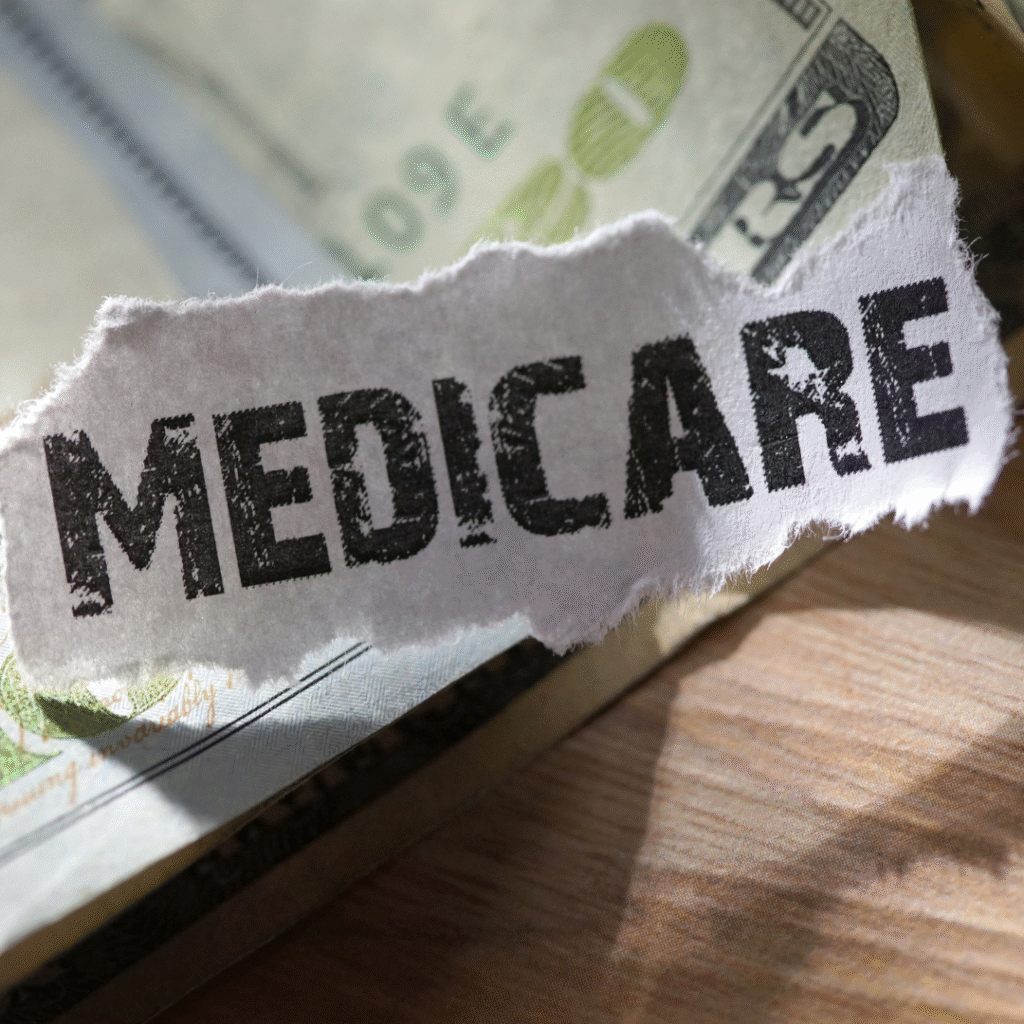
July 18, 2025 | JacobiJournal.com – UnitedHealth Medicare Advantage fraud is at the center of a widening federal investigation. The Department of Justice (DOJ) has intensified its efforts to uncover the extent of the scheme involving UnitedHealth Group, focusing specifically on allegations of inflated diagnostic coding within its Medicare Advantage program. Alongside the FBI and the Department of Health and Human Services (HHS), the DOJ is scrutinizing UnitedHealth’s HouseCalls division, which conducts in-home health assessments for Medicare Advantage enrollees. Authorities suspect that these assessments may have been used to exaggerate patient conditions, leading to increased and potentially fraudulent Medicare reimbursements. Allegations of Upcoding in Medicare Adbvantage Investigators are examining whether UnitedHealth improperly coded diagnoses during HouseCalls visits to exaggerate patients’ health risks. This practice, known as upcoding, can result in higher Medicare reimbursements by portraying patients as sicker than they are. The probe follows earlier whistleblower lawsuits that alleged UnitedHealth and other insurers manipulated coding to secure billions in additional Medicare payments. This latest investigation suggests the DOJ is expanding its scrutiny of Medicare Advantage fraud, an area of growing concern given the program’s rapid expansion and high cost to taxpayers. Compliance Risks for Insurers The UnitedHealth Medicare Advantage fraud investigation underscores the need for health insurers to ensure coding accuracy and compliance with federal regulations. Coding errors or intentional misrepresentations not only inflate government costs but also expose insurers to False Claims Act liabilities and significant financial penalties. Healthcare compliance experts advise insurers to audit their risk adjustment coding processes, enhance provider training, and ensure oversight mechanisms are in place to prevent fraudulent activity. Regulatory Scrutiny on the Rise The DOJ’s focus on UnitedHealth reflects broader government efforts to control Medicare Advantage spending, which has ballooned in recent years. Regulators and lawmakers have increasingly criticized risk adjustment abuses and are considering stricter guidelines for diagnostic coding. Insurers operating in the Medicare Advantage space face mounting pressure to prove that their coding practices are not designed to game the system. As enforcement intensifies, companies must demonstrate a clear commitment to ethical billing and transparent reporting. For a general and legitimate information link on Medicare fraud, you can use this official source. What’s Next in the UnitedHealth Medicare Advantage Fraud Case As of July 2025, the DOJ has not announced formal charges, but sources suggest the investigation is active and could lead to legal action or settlements. The outcome may shape future enforcement strategies against similar Medicare Advantage fraud cases, setting compliance benchmarks for the entire industry. FAQs: Understanding UnitedHealth Medicare Advantage Fraud What is UnitedHealth Medicare Advantage fraud? UnitedHealth Medicare Advantage fraud refers to allegations that UnitedHealth inflated diagnostic codes within its Medicare Advantage program, specifically through its HouseCalls division. This practice, known as upcoding, can lead to higher payments from Medicare by making patients appear sicker than they are. Why is UnitedHealth Medicare Advantage fraud under investigation? The DOJ, along with the FBI and HHS, is investigating UnitedHealth Medicare Advantage fraud to determine if the company violated federal laws by manipulating diagnostic codes. The investigation aims to uncover whether these practices resulted in billions of dollars in improper Medicare payments. What are the consequences if UnitedHealth is found liable for Medicare Advantage fraud? If UnitedHealth is found liable, the company could face substantial penalties under the False Claims Act, including fines, repayment of funds, and potentially stricter regulatory oversight. This could also prompt broader audits of Medicare Advantage plans industry-wide. Where can I report suspected Medicare Advantage fraud? Anyone can report suspected Medicare Advantage fraud to the Office of Inspector General (OIG) here. Timely reporting helps authorities investigate and prevent further abuses within the system. Stay informed on healthcare fraud investigations and Medicare compliance updates. Subscribe to JacobiJournal.com for expert insights on regulatory actions, enforcement trends, and fraud prosecutions. 🔎 Read More from JacobiJournal.com:
National Health Care Fraud Takedown: California Defendants Charged in $14.6B Scam

July 4, 2025 | JacobiJournal.com – Federal authorities have charged 324 defendants in the 2025 National Health Care Fraud Takedown, exposing schemes worth over $14.6 billion. Among them, California healthcare fraud cases stood out, particularly in telemedicine, durable medical equipment (DME), lab testing, and opioid-related crimes. The Department of Justice confirmed that in the Northern District of California, five defendants face indictments for orchestrating Medicare fraud and illegal drug diversion schemes. These charges reflect California’s significant role in nationwide healthcare fraud trends, as the state remains a key focus for federal investigators due to its large healthcare market and history of complex fraud cases. According to the Office of Inspector General (OIG), these California-based schemes exploited vulnerable patient populations, fabricated billing for unnecessary or non-existent services, and contributed to the growing opioid crisis through illegal prescriptions. Authorities noted that advanced data analytics and inter-agency collaboration were pivotal in identifying these fraudulent networks. Federal prosecutors have emphasized that California healthcare fraud is not only a legal issue but a public health concern, draining critical resources from Medicare and Medicaid programs. As enforcement continues, healthcare providers and entities in the state are urged to strengthen compliance measures to avoid legal repercussions and safeguard public trust. Northern California’s Key Medicare Fraud Cases One notable defendant, Vincent Thayer of San Jose, is accused of submitting $68 million in fraudulent COVID-19 testing claims to Medicare, Medicaid, and the HRSA COVID-19 Uninsured Program. Authorities allege that Thayer exploited pandemic-era funding mechanisms, filing claims for tests that were either never performed or were medically unnecessary. This significant case underscores how California healthcare fraud schemes adapted quickly to capitalize on emergency federal funding intended for public health support during the pandemic. Another case involves Sevendik Huseynov of Sunnyvale, who is charged with using stolen identities to fraudulently bill Medicare Advantage for unnecessary durable medical equipment (DME). By manipulating patient information and fabricating needs for equipment like braces and orthotics, Huseynov allegedly siphoned millions from federal healthcare programs. These California healthcare fraud cases reveal how deeply fraudsters have infiltrated not only pandemic relief programs but also routine healthcare billing systems. The scale of deception reflects broader vulnerabilities in healthcare oversight, where swift adaptations by criminal networks can outpace regulatory safeguards. Federal officials stress that these prosecutions are part of an intensified crackdown aimed at deterring similar frauds and protecting the integrity of healthcare funding in California and nationwide. The Department of Justice, alongside the Department of Health and Human Services Office of Inspector General, continues to pursue those who exploit public health crises for personal gain. DOJ’s Data-Driven Fight Against California Healthcare Fraud Following this sweep, the DOJ’s Health Care Fraud Data Fusion Center is set to intensify efforts using AI and advanced data analytics to identify fraud patterns, particularly within California’s complex healthcare landscape. The state’s diverse and extensive healthcare infrastructure—spanning large hospital systems, telemedicine providers, and specialized care facilities—creates multiple entry points for bad actors. By leveraging predictive analytics, the DOJ aims to detect emerging California healthcare fraud trends before they escalate into billion-dollar losses. These technologies enable authorities to cross-reference billing anomalies, patient data, and provider networks in real-time, exposing schemes that would traditionally remain hidden for years. Officials emphasize that California’s high volume of healthcare transactions, combined with its leadership in digital health innovation, makes it both a target and a testbed for fraud detection initiatives. The ongoing collaboration between the DOJ, HHS Office of Inspector General, and California state agencies ensures that data-driven enforcement is tailored to the unique challenges posed by the state’s healthcare sector. Read the DOJ’s official press release on the takedown here. FAQs: About California Healthcare Fraud Takedown What is the National Health Care Fraud Takedown? The National Health Care Fraud Takedown is a coordinated federal effort by the DOJ and HHS to target large-scale healthcare fraud across the U.S., including cases of Medicare fraud, telemedicine scams, and drug diversion. How is California involved in healthcare fraud cases? California healthcare fraud cases often involve telemedicine billing schemes, DME fraud, and illegal drug diversion, with defendants exploiting federal healthcare programs like Medicare and Medicaid. What penalties do defendants face in California healthcare fraud cases? Defendants charged in California healthcare fraud cases face severe penalties, including significant prison time, hefty fines, and asset forfeiture if convicted of fraud, conspiracy, and related offenses. Stay Informed on Healthcare Fraud Enforcement. Subscribe to JacobiJournal.com for real-time updates on fraud investigations and healthcare compliance enforcement. 🔎 Read More from JacobiJournal.com:
Home Health Agency Owner Convicted for $400K in Medicare Fraud via Falsified Records

June 30, 2025 | JacobiJournal.com – A home health agency owner has been convicted in a $400,000 Medicare fraud scheme that involved falsified documentation to claim services never provided. This case adds to the growing list of healthcare fraud prosecutions, particularly in home-based care, a sector increasingly scrutinized by federal authorities. Fabricated Records, Real Consequences in Medicare Fraud The owner directed staff to forge patient records, including visit notes and certifications, to create the appearance of legitimate medical services. These fake claims were submitted to Medicare, resulting in substantial reimbursement for treatments that either never occurred or were medically unnecessary. Investigators found a pattern of deception dating back several years. Systemic Oversight Failure in Medicare Fraud This conviction underscores how documentation abuse remains a persistent vulnerability in the Medicare system. Home health agencies, while vital for aging populations, continue to face enforcement due to weak internal controls and high reimbursement incentives. Prosecutors noted that the scheme not only defrauded taxpayers but also undermined trust in care delivery. A Signal to the Industry Federal officials have reiterated that healthcare fraud—especially involving home health services—will remain a high-priority enforcement area. With billions allocated annually to Medicare, oversight agencies are ramping up audits and encouraging whistleblowers to report suspicious billing practices. Lessons from the Case Industry experts recommend stronger compliance protocols, regular chart audits, and better staff training to prevent similar schemes. Patients and families are also urged to stay informed about services billed under their names to spot potential abuse early. As federal crackdowns continue, the healthcare sector is reminded that cutting corners not only risks legal penalties—it puts patients and public trust on the line. For more information on Medicare fraud prevention, visit the official Medicare.gov Fraud Prevention page. FAQs: What is Home Health Medicare Fraud? Home Health Medicare Fraud involves false claims submitted by home health agencies for services that were never provided or medically unnecessary. This type of fraud undermines the integrity of Medicare funding and patient care. How can patients detect Home Health Medicare Fraud? Patients can review their Medicare statements regularly, ensuring all billed services were actually received. Discrepancies should be reported to Medicare immediately to prevent further fraud. What are the penalties for Home Health Medicare Fraud? Convictions for Home Health Medicare Fraud can lead to significant fines, restitution, and prison sentences, as seen in this case where the agency owner was convicted of defrauding Medicare of $400,000. Stay informed on healthcare fraud cases and compliance strategies. Subscribe to JacobiJournal.com for weekly updates on enforcement trends and industry risks. 🔎 Read More from JacobiJournal.com:
Telehealth CEO Convicted in $1B Medicare Fraud Case

June 27, 2025 | JacobiJournal.com – Telehealth Medicare fraud has taken center stage as the CEO of a telehealth software firm has been convicted in a billion-dollar healthcare fraud case. The conviction spotlights the dark side of digital medicine and the vulnerabilities within remote healthcare services. Prosecutors revealed that the executive orchestrated an expansive scheme that exploited Medicare billing through fraudulent prescriptions and medical orders—all disguised as legitimate virtual care. This case underscores the urgent need for stronger oversight in telehealth platforms to prevent further instances of telehealth Medicare fraud that jeopardize both patients and public funds. How the Telehealth Medicare Fraud Scheme Operated According to court documents and trial testimony, the company used its digital platform to generate false doctors’ orders and prescriptions. These included durable medical equipment and compound medications. The claims were submitted to Medicare and other federal programs as if they followed legitimate telehealth consultations, but they were part of an orchestrated telehealth Medicare fraud scheme designed to exploit billing loopholes. In truth, many patients had little to no interaction with a physician. In some cases, they were completely unaware that claims had been made in their name. This deception not only defrauded federal healthcare programs but also compromised patient data and trust, underscoring the broader risks that telehealth Medicare fraud poses to both individuals and the healthcare system at large. Targeting the Elderly The fraud relied on a nationwide network of call centers, marketers, and medical professionals who approved orders without proper review. Investigators found the scheme focused heavily on elderly Medicare beneficiaries. Deceptive tactics were used to enroll them in unnecessary treatment plans and billing cycles. As a result, Medicare paid out hundreds of millions of dollars before the fraud was detected. Uncovering the Scheme Authorities allege that the company submitted thousands of bogus claims for medical devices and prescriptions, many of which patients never requested or received. These claims appeared legitimate on paper, backed by fake telehealth consults and forged doctor approvals. Investigators say the scam targeted elderly beneficiaries, often without their knowledge. Why Telehealth Was Vulnerable The case raises serious concerns about how telehealth platforms, while convenient, can be misused. Rapid digital interactions made it easier for fraudulent claims to slip through, with billing systems ill-equipped to catch falsified consults in real time. This vulnerability created a perfect environment for telehealth Medicare fraud to thrive, as the absence of in-person verification allowed unscrupulous providers to manipulate the system without immediate detection. Moreover, the rapid expansion of telehealth during the pandemic outpaced the development of fraud prevention measures. As a result, many healthcare platforms lacked the robust compliance infrastructure necessary to identify patterns indicative of telehealth Medicare fraud. This gap in oversight is now prompting federal agencies and healthcare providers to reevaluate digital healthcare protocols to ensure stricter safeguards against such large-scale scams. A Warning to the Industry The executive’s conviction marks one of the largest healthcare fraud penalties linked to telehealth. While the technology itself isn’t to blame, the case highlights a deeper issue. Telehealth needs tighter compliance, stronger verification, and better oversight. This is especially urgent given the surge in telehealth Medicare fraud, which has exposed weaknesses in virtual care systems that were never designed to handle the scale of Medicare billing they now face. Industry leaders are being urged to collaborate with regulatory agencies to develop standardized protocols for telehealth services, including more stringent patient authentication and provider credentialing processes. Without proactive measures, the risk of telehealth Medicare fraud remains high, potentially undermining public trust in digital healthcare innovations. What It Means for Healthcare Providers As the use of telemedicine expands, healthcare professionals and vendors must implement stronger fraud controls. This case serves as a critical reminder: efficiency should never override ethical standards. Looking Ahead With sentencing set for later this year, federal agencies are signaling more scrutiny for telehealth firms. Compliance audits, provider vetting, and real-time billing review systems may become standard as regulators aim to prevent similar fraud on this scale. Digital care is here to stay—but integrity must stay with it. For official updates on Medicare fraud enforcement, visit the U.S. Department of Justice’s healthcare fraud page. FAQs About Fort Bend Hospice Healthcare Fraud What is the Fort Bend hospice healthcare fraud case about? The case involves hospice owners in Fort Bend County indicted for fraudulently enrolling non-terminally ill patients into hospice care, forging medical records, and submitting false claims totaling $87 million to Medicare and Medicaid. How does hospice fraud impact patients? Patients may be misclassified as terminally ill without their knowledge, limiting access to curative treatments and appropriate medical care. This can compromise patient safety and care quality. What penalties do the defendants face in the Fort Bend hospice healthcare fraud case? If convicted, the indicted hospice owners could face decades in federal prison, significant fines, and asset forfeiture under healthcare fraud and wire fraud statutes. Stay ahead of healthcare fraud developments. Subscribe to JacobiJournal.com for the latest insights on telehealth fraud enforcement and policy updates. 🔎 Read More from JacobiJournal.com: