Property Insurance Fraud Investigations Intensify Over California Wildfire Claim Reviews

May 18, 2026 | JacobiJournal.com — Property insurance fraud investigations across California intensified after insurers and regulators identified questionable patterns tied to wildfire-related claims. Authorities began reviewing claims activity following reports of inflated repair estimates, inconsistent loss documentation, and duplicate reimbursement requests submitted after major wildfire events. Regulators observed that some claims contained damage valuations significantly higher than standard reconstruction benchmarks for comparable losses. These discrepancies raised concerns that certain filings may have included exaggerated property damage calculations designed to increase insurance payouts. As the review process expanded, investigators also focused on contractor-related inconsistencies tied to repair invoices, remediation costs, and rebuilding estimates. The combined pattern of irregular billing and duplicate claim concerns pushed wildfire-related property insurance fraud into a higher enforcement priority category during 2026. How Wildfire Claim Inflation Allegedly Occurs Authorities investigating property insurance fraud cases involving wildfire claims are examining whether some policyholders or associated contractors overstated property damage during the reimbursement process. Inflated estimates may include excessive repair costs, duplicate material charges, or unsupported reconstruction expenses. In some situations, investigators are reviewing claims where similar damages were allegedly submitted through multiple reimbursement channels. Duplicate filings can create overlapping payment exposure for insurers and complicate the verification process during large-scale catastrophe response operations. Contractor involvement has also become a major focus in wildfire-related property insurance fraud investigations. Regulators are assessing whether certain vendors used inflated invoices, unnecessary remediation recommendations, or inconsistent pricing structures to increase claim values. Why Wildfire-Related Property Insurance Fraud Is Rising California’s repeated wildfire disasters have created a complex insurance environment involving high claim volumes and urgent reconstruction needs. During large-scale catastrophe events, insurers often process thousands of claims simultaneously, increasing the risk that irregular filings may initially escape detection. Regulators believe this environment can create opportunities for property insurance fraud, particularly when policyholders and contractors face pressure to accelerate repairs and reimbursement approvals. The speed of post-disaster claims processing may reduce the ability to immediately verify every estimate and invoice. At the same time, rising reconstruction costs across California have complicated claim valuation standards. This has made it more difficult for insurers to distinguish legitimate high-cost repairs from intentionally inflated claims tied to wildfire damage assessments. How Regulators and Insurers Are Responding Insurance carriers are strengthening post-catastrophe review procedures as property insurance fraud concerns continue to grow. More insurers are deploying specialized fraud investigation units to review high-value wildfire claims and contractor billing patterns. Regulators are also encouraging expanded documentation standards for wildfire-related reimbursement requests. This includes greater scrutiny of repair contracts, itemized invoices, photographic evidence, and independent property assessments tied to reported damages. In addition, agencies are using advanced analytics systems to compare wildfire claims across geographic regions, contractor networks, and historical reconstruction cost benchmarks. These tools help identify anomalies that may indicate coordinated property insurance fraud activity. What This Means for Homeowners and Contractors For homeowners, the increased scrutiny means wildfire claims may undergo more extensive review before approval. Insurers are expected to request more detailed evidence supporting property losses and repair costs as enforcement standards tighten. Legitimate policyholders may experience longer processing timelines while insurers verify claim accuracy and contractor documentation. However, regulators argue that stronger oversight is necessary to preserve the integrity of California’s insurance system and reduce financial abuse. Contractors working on wildfire restoration projects are also facing increased compliance expectations. Billing practices, pricing consistency, and repair documentation are becoming central factors in determining whether reimbursement requests withstand property insurance fraud review procedures. Why Contractor Relationships Are Becoming a Major Enforcement Focus Contractor participation in wildfire recovery efforts has drawn growing attention from regulators because vendors often play a direct role in generating repair estimates submitted to insurers. Investigators are examining whether certain contractor relationships contributed to inflated claims activity. Authorities are particularly focused on cases involving repeated billing anomalies across multiple wildfire claims connected to the same vendors. Patterns involving unusually high estimates or recurring pricing inconsistencies may trigger expanded audits and investigative review. The California insurance environment has also seen increased concerns about unauthorized contractors operating during post-disaster recovery periods. Regulators believe these conditions can increase exposure to property insurance fraud, especially when oversight mechanisms are strained during emergency rebuilding operations. Broader Trend: Catastrophe-Driven Insurance Fraud Enforcement Expands The rise in wildfire-related investigations reflects a broader shift toward catastrophe-focused fraud enforcement strategies across California. Regulators are recognizing that natural disasters create heightened vulnerability to fraudulent claims activity due to the scale and urgency of recovery operations. As climate-related disasters continue affecting the state, insurers and enforcement agencies are expected to invest more heavily in predictive analytics and coordinated fraud detection systems. These tools allow authorities to identify suspicious claim patterns earlier in the reimbursement cycle. The expanding focus on property insurance fraud demonstrates how disaster recovery environments are becoming a major enforcement priority within California’s insurance regulatory framework. Investigators are increasingly targeting organized fraud risks tied to both policyholder filings and contractor billing activity. For official catastrophe insurance resources and wildfire recovery guidance, visit the California Department of Insurance. FAQs: Property Insurance Fraud and Wildfire Claims What is property insurance fraud in wildfire claims? Property insurance fraud involves submitting false, inflated, or misleading information to obtain higher insurance reimbursements after wildfire damage. Why are wildfire claims under increased scrutiny? Large-scale wildfire events generate high claim volumes, creating opportunities for inflated damage estimates and duplicate filings. How do investigators detect fraudulent wildfire claims? Authorities review repair estimates, contractor invoices, property assessments, and claim histories for inconsistencies or abnormal patterns. Can contractors be involved in property insurance fraud cases? Yes. Investigators may examine contractor billing practices, pricing structures, and repair documentation linked to suspicious claims. Subscribe to JacobiJournal.com for continued coverage of property insurance fraud, wildfire claim enforcement developments, and California insurance compliance trends throughout 2026. 🔎 Read More from JacobiJournal.com:
Workers Compensation Fraud Investigations Expand Into Medical Provider Kickback Schemes

May 15, 2026 | JacobiJournal.com — Workers compensation fraud enforcement activity intensified in California as regulators expanded investigations into alleged illegal referral and kickback arrangements tied to medical treatment within the workers’ compensation system. Authorities reportedly identified suspicious referral patterns involving providers, intermediaries, and treatment networks connected to injured worker claims. The investigations emerged after regulators reviewed billing and referral data that suggested unusually concentrated treatment relationships between certain providers and service coordinators. These patterns raised concerns that financial incentives may have influenced treatment referrals rather than medical necessity. As enforcement efforts broadened, investigators began examining whether providers received compensation or indirect financial benefits in exchange for directing patients toward specific clinics, diagnostic facilities, or treatment programs. These allegations have placed renewed focus on workers compensation fraud involving medical referral practices. How Medical Provider Kickback Schemes Allegedly Operate Authorities investigating workers compensation fraud cases allege that some referral arrangements were structured to generate higher treatment volumes and increased reimbursement opportunities. Under these models, intermediaries may direct injured workers to specific providers in exchange for financial incentives or business compensation. Investigators are reviewing whether treatment referrals were medically appropriate or primarily designed to maximize billing activity. In some cases, providers allegedly received a steady flow of referred patients tied to coordinated treatment and billing operations. The investigations also focus on how referral chains interact with diagnostic testing, physical therapy, and specialty treatment services. Regulators believe these interconnected arrangements may contribute to inflated claim costs and broader workers compensation fraud exposure. Why Referral and Kickback Arrangements Are Under Increased Scrutiny Medical referral practices within workers’ compensation systems have become a major enforcement priority because they directly impact treatment costs and claim integrity. Regulators are concerned that financial incentives can distort medical decision-making and lead to unnecessary procedures or prolonged care. California enforcement agencies have increasingly relied on analytics tools to identify abnormal referral concentrations and billing relationships. These technologies help investigators detect patterns that may indicate coordinated workers compensation fraud activity. The growing scrutiny also reflects broader concerns about systemic cost inflation within workers’ compensation programs. Illegal kickback arrangements can significantly increase claim expenses while undermining trust in treatment oversight processes. What This Means for Providers, Employers, and Insurers Healthcare providers involved in workers’ compensation treatment are facing heightened compliance expectations regarding referral transparency and financial relationships. Regulators are expected to increase audits and documentation reviews tied to referral activity. Employers and insurers may also experience tighter claim oversight as enforcement agencies seek to reduce unnecessary treatment costs linked to potential workers compensation fraud schemes. Insurers are expanding investigative resources and monitoring systems to identify suspicious billing patterns earlier. The broader implication is a more aggressive regulatory environment where referral relationships and treatment coordination practices are likely to face deeper scrutiny across California’s workers’ compensation system. Broader Trend: Organized Medical Billing Enforcement Expands The rise in provider kickback investigations reflects a wider enforcement trend targeting organized medical billing and referral networks. Regulators are increasingly focusing on operational structures that facilitate repeated claim generation and elevated reimbursement activity. Cross-agency collaboration and predictive analytics are becoming central tools in detecting these arrangements. Authorities are using integrated billing and referral data to identify relationships that may not be apparent through isolated claim reviews. As enforcement capabilities continue evolving, workers compensation fraud investigations are expected to expand further into treatment coordination and provider network operations throughout California. For official workers’ compensation fraud enforcement resources, visit the California Department of Insurance. FAQs: Workers Compensation Fraud and Medical Provider Kickbacks What is workers compensation fraud involving provider kickbacks? It involves illegal financial arrangements where providers or intermediaries receive compensation for directing injured workers to specific treatment services. Why are referral schemes investigated in workers’ compensation cases? Referral arrangements can lead to unnecessary treatment, inflated claim costs, and compromised medical decision-making. How do regulators detect kickback schemes? Authorities analyze referral patterns, billing data, and financial relationships between providers and intermediaries. What penalties apply in workers compensation fraud cases? Penalties may include criminal charges, financial restitution, exclusion from insurance programs, and professional disciplinary action. Subscribe to JacobiJournal.com for ongoing coverage of workers compensation fraud, provider kickback investigations, and insurance enforcement developments impacting California in 2026. 🔎 Read More from JacobiJournal.com:
Auto Insurance Fraud Crackdown Targets Staged Collision Rings Across California

May 8, 2026 | JacobiJournal.com — auto insurance fraud enforcement efforts in California intensified after investigators identified organized networks staging vehicle collisions to generate fraudulent claims. The cases emerged through coordinated intelligence gathering and anomaly detection tied to recurring accident reports with similar patterns. Authorities began focusing on clusters of claims that shared overlapping participants, locations, and timelines. These indicators suggested that the collisions were not случайные events but instead deliberately orchestrated incidents designed to exploit insurance systems. As investigations expanded, enforcement units uncovered broader networks involving multiple actors, including drivers, passengers, and service providers. This escalation reflects a growing emphasis on dismantling structured auto insurance fraud operations rather than isolated incidents. How Staged Collision Rings Allegedly Operate Investigators report that staged collision schemes typically involve pre-arranged accidents where participants intentionally cause or simulate crashes. These incidents are then used to file insurance claims for vehicle damage, personal injury, and related expenses. Once a claim is initiated, additional elements may be introduced to increase payout value. This can include exaggerated injury reports, coordinated medical treatment, and inflated repair estimates tied to affiliated service providers. Authorities are also examining how these networks maintain operational continuity, including the reuse of participants and coordinated documentation. These practices are consistent with organized auto insurance fraud models that rely on repeated claim generation. Why Medical Billing Is Tied to Auto Insurance Fraud Cases A significant component of staged collision schemes involves medical billing tied to reported injuries. Investigators have identified patterns where treatment is billed at elevated rates or extended beyond what clinical findings would typically support. These billing practices can substantially increase the financial impact of each claim. In many cases, medical services become a primary driver of total reimbursement rather than vehicle damage alone. Regulators are placing increased emphasis on reviewing medical documentation linked to accident claims, particularly where patterns suggest coordinated activity. This intersection between accident claims and healthcare billing is a key factor in expanding auto insurance fraud enforcement. What This Means for Insurers, Drivers, and Service Providers Insurers are responding by strengthening fraud detection systems and increasing collaboration with law enforcement agencies. Enhanced analytics are being deployed to identify suspicious claim patterns earlier in the process. Drivers may experience more rigorous claim validation procedures, including detailed accident verification and medical record review. These measures are intended to reduce exposure to fraudulent claims while maintaining legitimate claim processing. Service providers, including repair shops and medical professionals, are also under increased scrutiny. Any association with repeated or questionable claims may trigger investigation as part of broader auto insurance fraud enforcement efforts. Broader Trend: Organized Fraud Networks Under Intensified Scrutiny The rise in staged collision cases reflects a broader shift toward targeting organized fraud networks rather than isolated incidents. Regulators are focusing on dismantling entire operational structures that facilitate repeated fraudulent activity. This strategy involves cross-agency collaboration, data sharing, and the use of advanced analytics to map connections between participants. These tools allow enforcement agencies to identify patterns that may not be visible through individual claim reviews. As enforcement capabilities continue to evolve, organized auto insurance fraud schemes are expected to face increased disruption, particularly in regions with high claim volumes and complex traffic environments. For official fraud enforcement updates and press releases, visit the California Department of Insurance. FAQs: Auto Insurance Fraud and Staged Collision Schemes What is auto insurance fraud in staged collision cases? Auto insurance fraud involves intentionally causing or fabricating vehicle accidents to file false insurance claims for financial gain. How do staged collision rings operate? They coordinate participants to create accidents, then submit claims for damages and injuries, often involving inflated or unnecessary expenses. Why is medical billing linked to these fraud schemes? Medical treatments associated with injury claims can significantly increase total payouts, making them a key component of fraud operations. What are the penalties for auto insurance fraud? Penalties may include criminal charges, fines, restitution, and potential imprisonment depending on the severity of the offense. Subscribe to JacobiJournal.com for ongoing coverage of auto insurance fraud, enforcement actions, and regulatory developments impacting California in 2026. 🔎 Read More from JacobiJournal.com:
California Workers Fraud April 2026 Felony Case Signals Enforcement Rise

April 17, 2026 | JacobiJournal.com — Workers fraud allegations triggered escalated enforcement activity after a felony filing involving alleged misrepresentation within a California workers’ compensation claim. California regulators escalated enforcement activity after a felony filing involving alleged misrepresentation within a workers’ compensation claim. The case centers on claims that inaccurate or incomplete information was provided during the benefits application process, triggering a formal investigation by state insurance authorities. Investigators identified inconsistencies between reported injury limitations, supporting documentation, and employment records. These discrepancies prompted a deeper review of whether the claim reflected an actual workplace injury severity or a misrepresented condition used to secure extended benefits. This case reflects a broader enforcement environment in California where workers fraud concerns are increasingly treated as a systemic issue rather than isolated incidents. Regulatory agencies are placing greater emphasis on early-stage claim validation to prevent prolonged benefit payouts tied to questionable documentation or inconsistent medical reporting. The focus is not only on claimant behavior but also on how medical documentation, employer reporting, and administrative processes interact in high-volume claims systems. This multi-layer review structure is becoming central to fraud detection strategy in California’s workers’ compensation framework. What Investigators Are Examining in Workers Fraud Cases State investigators are concentrating on recurring behavioral and documentation patterns that frequently appear in disputed or fraudulent claims. One key area of review is the consistency of medical evaluations over time, particularly when disability durations extend beyond typical recovery timelines without clear clinical justification. Another focus is the alignment between workplace incident reports and subsequent medical findings. Investigators are comparing employer-submitted incident documentation with physician reports and claimant statements to identify inconsistencies that may indicate misrepresentation. Cross-referencing data has become a core investigative tool. Employment records, payroll data, and provider billing histories are being analyzed together to determine whether injury claims align with actual job duties and physical requirements. This approach allows regulators to identify anomalies that may not be visible through traditional claim review processes. In several ongoing reviews, authorities are also examining whether repeated provider changes contribute to extended disability certifications. Frequent shifts in treating physicians can sometimes result in inconsistent evaluations, which complicates the determination of claim legitimacy. These investigative methods reflect a broader shift toward data-driven enforcement in California’s insurance oversight system. The goal is to identify patterns of workers fraud earlier in the claims lifecycle, reducing long-term financial exposure and improving system integrity. Why Workers Fraud Enforcement Is Increasing in California Enforcement activity has intensified due to rising financial pressure on California’s workers’ compensation system. Fraudulent or inflated claims, even when isolated, can generate significant cumulative costs when multiplied across industries with high injury reporting rates. Industries such as logistics, construction, warehousing, and temporary staffing are receiving increased scrutiny due to elevated claim volumes and historically higher rates of documentation inconsistencies. These sectors often involve physically demanding labor, which creates more opportunities for disputes over injury severity and recovery timelines. Regulatory agencies have expanded their investigative capacity by integrating predictive analytics and automated anomaly detection systems. These tools allow insurers and regulators to identify patterns that suggest potential misrepresentation before full benefit payouts are issued. This shift represents a structural change in enforcement strategy. Instead of relying primarily on post-payment audits, agencies are increasingly focusing on pre-approval validation and early intervention. The objective is to reduce systemic exposure to fraudulent claims while improving the efficiency of claim adjudication processes. The felony filing associated with this case reinforces the seriousness of enforcement escalation. It signals that intentional misrepresentation in workers compensation claims may result in criminal prosecution rather than administrative penalties alone. Broader System Impact of Workers Fraud Cases Beyond individual enforcement actions, workers fraud cases have broader implications for California’s insurance ecosystem. Insurers are tightening claim review protocols, increasing documentation requirements, and expanding the use of independent medical evaluations in disputed cases. Employers are also being affected through increased compliance expectations. Many are required to strengthen incident reporting procedures, improve workplace documentation standards, and maintain more detailed records of employee job functions to support claim validation. Medical providers operating within workers’ compensation networks face additional scrutiny regarding treatment justification and documentation accuracy. Billing practices and treatment frequency are increasingly reviewed for alignment with accepted medical guidelines and injury severity assessments. These changes collectively reflect a more conservative risk posture across the system. The emphasis is shifting toward verification, documentation integrity, and cross-system data consistency. For official enforcement context and related case details, read more here. FAQs: Workers Fraud California 2026 What is workers fraud in California workers compensation cases? Workers fraud refers to intentional misrepresentation or false statements made to obtain or extend workers’ compensation benefits beyond what is medically or legally justified. How do investigators detect workers fraud? Investigators use cross-referenced data from medical records, employer reports, payroll data, and insurance filings to identify inconsistencies in injury claims and disability durations. Which industries are most associated with workers fraud investigations? High-risk sectors include construction, logistics, warehousing, transportation, and temporary staffing due to frequent injury claims and variable reporting structures. What are the penalties for workers fraud in California? Penalties may include felony charges, restitution, fines, benefit disqualification, and imprisonment depending on severity and intent. Subscribe to JacobiJournal.com for ongoing coverage of California insurance fraud enforcement, workers compensation investigations, and regulatory developments shaping claim integrity systems. 🔎 Read More from JacobiJournal.com:
Former Orange County Resident Sentenced in $1.4 Million Workers’ Compensation Insurance Fraud Scheme

April 6, 2026 | JacobiJournal.com — A former Orange County resident has been sentenced to state prison after authorities uncovered a years-long insurance fraud operation that left multiple businesses unknowingly uninsured and financially exposed. The case underscores ongoing enforcement efforts targeting fraudulent actors within California’s workers’ compensation system and highlights the risks employers face when insurance verification practices fail. How the Insurance Fraud Scheme Operated Over Several Years California investigators determined that Karyl Lynn Reed, 58, operated as an insurance agent without proper licensing while collecting payments for workers’ compensation insurance policies that did not exist. Between 2012 and 2019, Reed allegedly represented to business owners that she could secure legitimate coverage through entities she controlled, including Envoy Business Partners and Allenn Specialty Group. Instead of placing policies with authorized insurers, prosecutors said Reed issued falsified Certificates of Insurance to clients. These documents created the appearance of valid workers’ compensation coverage, allowing businesses to continue operations under the false assumption that employees were protected in the event of workplace injuries. Authorities concluded that more than $1.4 million in premiums and related payments were misappropriated during the scheme. Victims included small and mid-sized employers who relied on the documentation provided to meet California’s mandatory workers’ compensation requirements. What Investigators Discovered During the Department of Insurance Probe The California Department of Insurance initiated an investigation after discrepancies surfaced involving policy verification requests. When at least one employer attempted to confirm coverage directly with an insurer, officials discovered no active policy existed under the provided documentation. Investigators also found that a policy number supplied to a victim belonged to an entirely different business, revealing a pattern of systematic misrepresentation. In another instance, an injured employee’s claim exposed the absence of coverage, placing the employer at significant legal and financial risk. The probe further revealed Reed operated a staffing company that itself lacked valid workers’ compensation insurance. Despite this, payroll deductions and insurance payments continued to be collected from clients, while injury claims were allegedly handled internally without authorization. State officials emphasized that unlicensed insurance activity poses a serious threat because employers may unknowingly violate California labor law while believing they are compliant. Why Workers’ Compensation Fraud Creates Severe Employer Risk Workers’ compensation coverage is mandatory for nearly all California employers. When fraudulent intermediaries interfere with legitimate coverage, businesses face cascading consequences that can include regulatory penalties, civil liability, and direct responsibility for employee medical costs. In this case, at least one employer learned only after an employee injury that no insurance protection existed. Without coverage, employers may become personally liable for treatment expenses, disability benefits, and potential litigation exposure. Insurance fraud schemes involving fabricated certificates are particularly damaging because certificates are commonly used as proof of insurance during contracts, audits, and compliance reviews. Experts note that businesses often rely on intermediaries without independently confirming licensing status through state databases. California Insurance Commissioner Ricardo Lara stated that enforcement actions aim both to secure restitution for victims and deter similar misconduct across the insurance marketplace. How Authorities Prosecuted the White-Collar Fraud Case Reed was arrested in Seabrook, Texas, before being extradited to Orange County to face prosecution. She was later convicted on multiple felony counts, including embezzlement and white-collar crime enhancements tied to the financial losses suffered by victims. The Orange County District Attorney’s Office Major Fraud Unit prosecuted the case, ultimately securing a four-year prison sentence. The court also ordered restitution exceeding $1.4 million, reflecting the scale of financial harm caused by the scheme. Law enforcement agencies described the case as an example of coordinated investigative work between state regulators and prosecutors focused on complex financial crimes affecting employers and workers alike. What Employers Should Learn From This Case Regulators continue to advise businesses to independently verify insurance agents and policies before transmitting premium payments. Employers can confirm licensing status and policy validity directly through official state resources rather than relying solely on certificates provided by brokers or third-party administrators. Routine verification procedures, including contacting insurers directly and reviewing licensing records, significantly reduce exposure to fraudulent actors. Compliance professionals increasingly recommend periodic audits of insurance documentation, particularly when staffing agencies or payroll services are involved. Businesses suspecting insurance fraud or irregularities are encouraged to report concerns to the California Department of Insurance Consumer Hotline or through official reporting portals. For verification tools and fraud reporting resources, readers may visit the California Department of Insurance consumer protection page. Broader Implications for California Fraud Enforcement California authorities have intensified efforts against workers’ compensation fraud in recent years as financial crimes evolve alongside administrative outsourcing trends. Fraud schemes frequently target smaller employers that lack internal compliance teams, making education and verification critical components of prevention. Cases involving unlicensed agents demonstrate how administrative trust gaps can translate into substantial financial exposure. Enforcement agencies continue to signal that fraudulent insurance practices remain a priority area for prosecution, particularly when employee protections are compromised. The sentencing serves as a reminder that regulatory compliance within workers’ compensation systems depends not only on employers but also on the legitimacy of intermediaries operating within the insurance ecosystem. FAQs: Workers’ Compensation Insurance Fraud and Employer Protection What is workers’ compensation insurance fraud? Workers’ compensation insurance fraud occurs when individuals or organizations intentionally misrepresent coverage, claims, or premium payments for financial gain. This may include fake policies, falsified certificates, or unauthorized premium collection. How can employers verify an insurance agent in California? Employers can confirm licensing status through the California Department of Insurance online license lookup tool or by contacting the agency directly before purchasing coverage. What happens if a business unknowingly lacks workers’ compensation insurance? Employers may face fines, stop-work orders, and liability for employee injury costs even if the lack of coverage resulted from fraud by an intermediary. Why are Certificates of Insurance not always reliable proof of coverage? Certificates summarize policy information but do not guarantee an active policy exists. Verification with the insurer is necessary to confirm validity. Stay informed on fraud enforcement, compliance risks, and insurance developments affecting businesses
SoCal Brothers Arrested in Alleged $6M Workers’ Comp Insurance Fraud and Tax Evasion Case

March 16, 2026 | JacobiJournal.com — Southern California authorities have arrested two towing company owners accused of orchestrating a large-scale workers’ compensation insurance fraud scheme that allegedly deprived insurers of nearly $6 million in premiums while triggering a parallel payroll tax evasion investigation. State officials say the case highlights persistent enforcement efforts targeting payroll misrepresentation schemes that undermine California’s workers’ compensation system and place compliant employers at a competitive disadvantage. How the Alleged Workers’ Comp Insurance Fraud Scheme Operated According to investigators, brothers Mark Hassan and Ahmed Hassan, owners of multiple towing businesses operating across Southern California, allegedly underreported employee payroll figures to workers’ compensation insurance carriers. Authorities claim workers were paid partially off the books, allowing the companies to report significantly lower payroll totals and obtain reduced insurance premium rates. The investigation began after the California Department of Insurance received several fraud referrals raising concerns about payroll discrepancies linked to towing operations associated with the brothers. Enforcement officials subsequently conducted audits across multiple affiliated companies. Auditors determined the businesses reported approximately $3 million in payroll to insurers, while the actual payroll exposure allegedly exceeded $16 million. Investigators estimate the discrepancy resulted in nearly $5.9 million in unpaid insurance premiums. What Investigators Found During the Audit State investigators allege the defendants used layered business structures to conceal payroll obligations. Authorities claim one brother created a shell company intended to obscure employment records and complicate insurer verification processes. Officials examined operations connected to towing companies in Whittier and Walnut, where payroll reporting inconsistencies allegedly appeared across multiple policy periods. The findings prompted criminal charges tied to insurance fraud violations as well as a separate review by the California Employment Development Department related to payroll tax compliance. Regulators emphasized that payroll accuracy forms the foundation of workers’ compensation underwriting because premiums are calculated largely based on workforce exposure and job classification risk levels. Why Payroll Underreporting Harms the Workers’ Compensation System Insurance regulators warn that payroll misrepresentation is not a victimless offense. Underreporting artificially lowers premiums for fraudulent employers while shifting financial risk onto legitimate businesses that comply with reporting requirements. Authorities stated that such schemes weaken the stability of the insurance pool and may ultimately affect benefit availability for injured workers. When premiums are improperly reduced, insurers face distorted risk calculations that can impact pricing and system sustainability statewide. California enforcement agencies continue prioritizing employer fraud investigations, particularly in industries historically associated with payroll manipulation risks, including towing, construction, and transportation services. Readers seeking official enforcement updates and fraud prevention resources can review guidance directly from the California Department of Insurance here. Broader Enforcement Trend Against Employer Fraud The arrests reflect a broader regulatory trend in California focusing on employer-side fraud rather than solely claimant misconduct. Enforcement units increasingly rely on audit analytics, interagency referrals, and payroll data comparisons to identify discrepancies. Authorities reiterated that accurate payroll disclosure is legally required and essential to maintaining fair competition and worker protections within the state’s labor and insurance systems. FAQs: Workers’ Comp Insurance Fraud Investigations What is workers’ comp insurance fraud by employers? Employer fraud typically involves underreporting payroll, misclassifying employees, or concealing workers to reduce workers’ compensation insurance premiums unlawfully. How do regulators detect payroll underreporting schemes? Investigators rely on audits, tax record comparisons, employee interviews, and referrals from insurers or whistleblowers to identify discrepancies between reported and actual payroll. Why is payroll reporting important in workers’ compensation insurance? Premiums are calculated based on payroll size and job risk classifications. Incorrect reporting distorts pricing and shifts financial burdens onto compliant employers. Can employer insurance fraud lead to tax investigations? Yes. Payroll manipulation frequently triggers parallel investigations by tax authorities because unreported wages may also violate employment tax laws. Subscribe to JacobiJournal.com for continuing coverage of insurance fraud investigations, workers’ compensation enforcement actions, and regulatory developments affecting employers, insurers, and legal professionals. 🔎 Read More from JacobiJournal.com:
California Insurance Fraud Exposed: Student Athlete Tragedy Sparks Investigation

March 9, 2026 | JacobiJournal.com – A shocking case of insurance fraud has emerged in California after the death of a student athlete revealed widespread misconduct by a licensed insurance agent. Gonzalo Lorona, 58, of Oxnard, faces 37 felony counts, including insurance fraud and grand theft, after allegedly issuing fake insurance certificates and misappropriating client premiums. This case underscores the growing risk of fraudulent practices in youth sports and organizational insurance compliance. How the Fraud Was Uncovered The investigation began after a tragic incident in Ventura County, where a young soccer player died following an altercation during a game. Ventura County School District officials scrutinized the insurance certificate provided by the local soccer league and found it was fraudulent. The certificate claimed coverage under a policy that did not exist, issued by Lorona’s agency. California Department of Insurance (CDI) investigators discovered that Lorona had issued 13 fraudulent insurance certificates between 2018 and 2024. These documents misrepresented coverage, leaving clients and organizations exposed to financial and legal risks. In total, Lorona allegedly misappropriated over $10,000 from five soccer league owners who believed they were paying for legitimate insurance. The case exemplifies how fraudulent schemes can remain undetected until a catastrophic event triggers a review. Authorities are emphasizing that organizations, particularly those serving minors, must conduct due diligence to verify insurance coverage and certificate authenticity. What the Investigation Revealed About Lorona’s Practices CDI’s investigation determined that Lorona retained client premium payments instead of purchasing the promised insurance policies. By issuing fake certificates, he provided clients with a false sense of security. These fraudulent actions expose not only financial liability for organizations but also serious ethical and legal breaches. The investigation also highlights a concerning gap in oversight for youth sports leagues. Without proper verification of insurance policies, organizations risk lawsuits, financial losses, and reputational damage. Authorities urge league administrators to verify coverage directly with insurers and ensure certificates match active policies. Financial crimes like this often follow similar patterns: soliciting payments for services that are never delivered, falsifying documentation, and exploiting trust. Lorona’s case is illustrative of the critical need for transparency, rigorous auditing, and compliance checks within small organizations and insurance intermediaries. Why This Case Matters for California Organizations Insurance fraud is not limited to high-profile corporate crimes; local sports leagues, nonprofits, and small businesses are increasingly targeted. According to the National Association of Insurance Commissioners (NAIC), premiums misappropriated through fraudulent certificates remain a persistent issue, highlighting vulnerabilities in monitoring and verification processes. The student athlete’s death is a tragic reminder that insurance fraud can have real-world consequences beyond financial loss. It emphasizes the moral and legal responsibilities of insurance agents and the organizations that rely on their services. Policymakers and regulators continue to stress the importance of accountability, verification, and public awareness to prevent similar incidents. Organizations are encouraged to implement routine audits, cross-check insurance certificates with carriers, and educate administrators on identifying red flags. These proactive steps help mitigate risks, protect participants, and reinforce trust in community programs. Legal Proceedings and Next Steps The Ventura County District Attorney’s Office is prosecuting Lorona. The CDI has also initiated disciplinary action against his insurance license. Experts advise that organizations review all past insurance certificates, especially from small or independent agents, to ensure compliance and coverage validity. This case also signals a need for stronger enforcement mechanisms and public reporting channels for suspected insurance fraud. By staying informed, organizations can reduce vulnerability and respond promptly when suspicious activities are detected. Protect your organization today — click here to verify insurance certificates with the National Association of Insurance Commissioners. FAQs: California Insurance Fraud What triggered the investigation into Gonzalo Lorona? The investigation began after a student athlete’s death, when the school district discovered the provided insurance certificate was fraudulent. How many fraudulent certificates were issued? Investigators found 13 fake insurance certificates issued between 2018 and 2024. What actions can organizations take to verify insurance certificates? Organizations should confirm policies directly with insurers, ensure certificates match active coverage, and audit agents periodically. Where can I learn more about insurance compliance? For guidance on insurance verification and compliance, visit the National Association of Insurance Commissioners for authoritative resources and tips. Stay ahead of financial fraud and insurance scams—subscribe to JacobiJournal.com today for in-depth investigative reports, timely alerts, and expert guidance on insurance fraud. 🔎 Read More from JacobiJournal.com:
Workers’ Compensation Insurance Fraud Case: Oxnard Man Charged in 2025

September 18, 2025 | JacobiJournal.com – A Ventura County man is facing felony charges after authorities alleged he falsified an on-the-job injury to collect workers’ compensation benefits. The case underscores California’s ongoing battle against workers’ compensation insurance fraud, which state regulators estimate costs billions annually. Oxnard Resident Charged with Fraud and Perjury Prosecutors say Gonzalo Robles Zurita, 36, of Oxnard falsely claimed that an arm injury he sustained in 2022 occurred at his workplace. Based on that report, a State of California workers’ compensation claim was opened, providing him with access to benefits including medical care and wage replacement. The State Compensation Insurance Fund (SCIF) paid over $20,000 before the claim came under scrutiny. Zurita now faces felony counts of workers’ compensation insurance fraud and attempted perjury for allegedly making false statements during a sworn deposition. He entered a not-guilty plea during his first court appearance on September 11, 2025. Investigation Uncovers Fraudulent Representations SCIF’s Special Investigation Unit conducted a criminal review into the circumstances of the reported injury. Investigators concluded that Zurita had misrepresented the time, place, and manner of his injury to unlawfully obtain compensation. Zurita has been released on his own recognizance. He is scheduled for an early disposition conference on September 22, followed by a preliminary hearing on September 24, 2025. If convicted, he could face up to three years and six months in county jail. Economic Toll of Workers’ Compensation Fraud The California Department of Insurance (CDI) estimates that fraudulent claims cost the state between $1 billion and $3 billion annually. These costs drive up premiums for legitimate businesses and result in higher consumer prices statewide. Officials stress that enforcement is necessary to protect both the integrity of the workers’ compensation system and honest policyholders. Why This Case Matters Cases like Zurita’s highlight the ongoing challenge of identifying fraudulent claims before they drain public resources. Law enforcement officials and investigators continue to prioritize insurance fraud cases to maintain fairness for both injured workers and law-abiding employers. For the official press release, visit the California Statewide Law Enforcement Association (CSLEA). FAQs: Workers’ Compensation Insurance Fraud What is workers’ compensation insurance fraud? Workers’ compensation insurance fraud occurs when someone lies or misrepresents information to receive benefits they are not entitled to, such as wage replacement or medical coverage. How much does workers’ compensation fraud cost California each year? According to CDI, fraudulent claims cost the state between $1 billion and $3 billion annually, raising insurance premiums and affecting consumer prices. What penalties can result from workers’ compensation insurance fraud? Convictions can lead to felony charges, prison time, restitution, and fines, depending on the scope of the fraud. How are fraudulent workers’ compensation claims investigated? Special Investigation Units (SIUs) within insurance organizations, along with state prosecutors and CDI, review suspicious claims, conduct surveillance, and examine sworn testimony for inconsistencies. Subscribe to JacobiJournal.com for weekly updates on fraud enforcement, regulatory actions, and high-impact court cases. 🔎 Read More from JacobiJournal.com:
Lifetime-Banned Fraudster Faces New Charges in $100M Workers’ Compensation Scheme

December 30, 2024 | JacobiJournal.com — Compensation fraud scheme involving a lifetime-banned fraudster: In a stunning development, a man previously banned from California’s workers’ compensation system for life has been charged with orchestrating a fraud scheme that racked up nearly $100 million in fraudulent claims. David Fish, alongside a San Diego-based neurosurgeon and two other alleged co-conspirators, faces 13 felony counts, including insurance fraud and conspiracy. The alleged scheme highlights the sophisticated methods fraudsters can employ to exploit the workers’ compensation system. Authorities say the defendants used a network of medical providers and management companies to funnel patients and inflate medical billing. These tactics included directing referrals to specific clinics, submitting unnecessary tests and treatments, and utilizing compound pharmacies to maximize reimbursements. Such schemes not only burden insurers with significant financial losses but also jeopardize the integrity of the system, potentially delaying care and compensation for legitimate injured workers. Law enforcement and insurance fraud investigators continue to emphasize the importance of vigilance and rigorous oversight in preventing such large-scale abuses. The Alleged Scheme Lifetime-Banned Fraudster: David Fish, 55, of Laguna Niguel, collaborated with Martin Brill, 78, Robert Lee, 61, and Dr. Vrijesh Tantuwaya to form Southern California Injured Workers (SCIW), a management company providing medical services. They also created a medical group, Injured Workers Medical Group, where Dr. Tantuwaya acted as CEO. Through this network, SCIW reportedly steered patient referrals to a limited group of providers who agreed to pay illegal referral fees. These services ranged from diagnostic testing to prescriptions from compound pharmacies. Between 2020 and 2023, the defendants allegedly billed workers’ compensation insurers close to $100 million, funneling profits from unlawful referrals back into the network. Charges and Potential Penalties The Orange County District Attorney’s Office charged the group following a three-year investigation. The 13 felony counts include violations of labor laws, conspiracy statutes, and insurance fraud regulations. If convicted: Deputy District Attorney Kelly Albright of the Insurance Fraud Unit is leading the prosecution. Ongoing Issues in Workers’ Compensation This case highlights the challenges California’s workers’ compensation system faces in combating fraud. Illegal schemes not only drain resources but also harm injured workers who depend on the system for proper medical care and fair compensation. For full details on charges and the investigation, visit the Orange County District Attorney’s Office official page. FAQs: Workers’ Compensation Fraud Scheme What is the workers’ compensation fraud scheme David Fish is accused of? David Fish and his alleged co-conspirators are accused of funneling patient referrals and medical billing into a $100M workers’ compensation fraud scheme. Who are the main defendants in the compensation fraud scheme? David Fish, Martin Brill, Robert Lee, and Dr. Vrijesh Tantuwaya are charged in connection with the alleged scheme in Southern California. What penalties could result from this fraud scheme? If convicted, the defendants face multiple years in prison, including up to 18 years for David Fish, under California insurance fraud and conspiracy laws. How does this compensation fraud scheme affect the system? Fraud schemes drain resources, increase costs for insurers, and can compromise care and benefits for legitimate injured workers. What are the penalties for David Fish and the co-conspirators? David Fish and the other defendants could face long prison terms if convicted under California insurance fraud and conspiracy laws. Subscribe to JacobiJournal.com for ongoing updates on workers’ compensation fraud, legal enforcement actions, and investigations impacting California employees and insurers. 🔎 Read More from JacobiJournal.com:
California Man Receives 16-Year Sentence for Massive Insurance Fraud Scheme
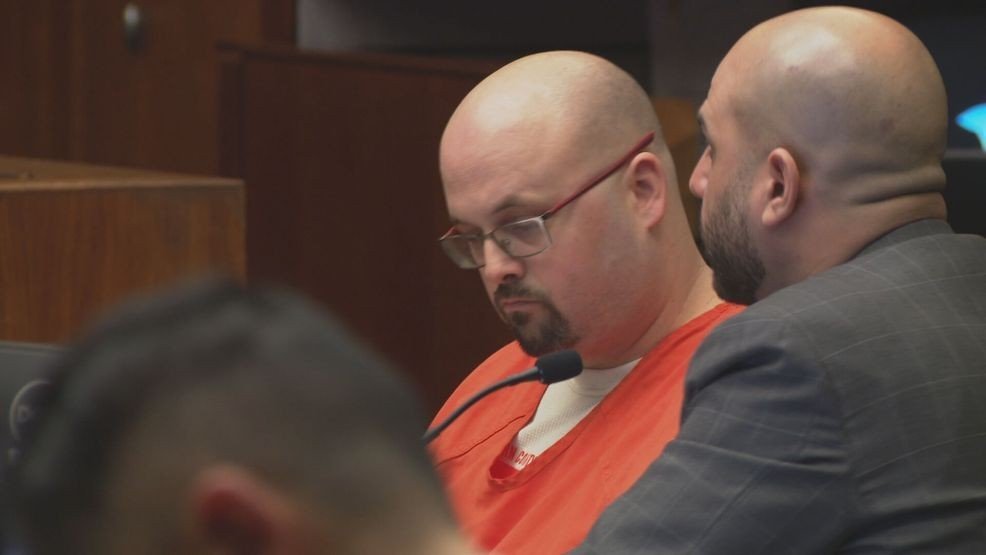
Massive Insurance Fraud Scheme: Jacob McNabb appears in court on the morning of Thursday, December 19, 2024. (Photo: KBAK/KBFX) December 27, 2024 | JacobiJournal.com — Jacob McNabb, a 33-year-old from Bakersfield, has been sentenced to 16 years and four months in prison for orchestrating a complex auto insurance fraud scheme. He was convicted of four felony charges, including insurance fraud, after investigators uncovered his role in dozens of staged auto collisions to secure fraudulent insurance payouts. Fraudulent Scheme Unveiled by CDI Investigation The California Department of Insurance (CDI) began investigating McNabb after the California Highway Patrol noticed an unusually high number of auto collisions linked to him. Over six years, McNabb reportedly orchestrated around 40 collisions. Investigators zeroed in on four specific incidents where he filed claims but concealed pre-existing damage to his vehicle. McNabb would typically stage a collision, file a claim, and collect the insurance benefits. However, instead of repairing his vehicle, he kept the payout. He would then stage another collision involving the same pre-damaged area, file a new claim, and hide the earlier damage to secure higher payouts. This cycle was repeated multiple times, defrauding insurance companies and involving unsuspecting drivers. Additional Fraudulent Activities Massive Insurance Fraud Scheme: McNabb also carried out another scheme that defrauded the Kern County Superior Court. He faced 11 additional felony counts for filing false documents, committing perjury, and engaging in identity theft. This scheme often involved suing innocent drivers in small claims court to exploit his staged collisions further. Legal Consequences McNabb’s conviction reflects the severity of his crimes. The Kern County District Attorney’s Office prosecuted the case and secured the 16-year sentence. This outcome underscores California’s commitment to combating insurance fraud and protecting innocent drivers. To access the official report on this case, visit the California Department of Insurance website. FAQs: Insurance Fraud Scheme What was the insurance fraud scheme in California involving Jacob McNabb? The insurance fraud scheme orchestrated by Jacob McNabb involved staging around 40 auto collisions and filing multiple false claims by concealing pre-existing vehicle damage. How did investigators uncover McNabb’s insurance fraud scheme? The California Department of Insurance (CDI) began investigating after the Highway Patrol noticed repeated staged collisions linked to McNabb, ultimately exposing the fraudulent insurance fraud scheme. What legal consequences did McNabb face for the insurance fraud scheme? McNabb was sentenced to 16 years and four months in prison after being convicted of multiple felonies, including insurance fraud, perjury, and identity theft tied to the scheme. Why is this insurance fraud scheme significant for California drivers? This case highlights how insurance fraud schemes not only harm insurers but also put innocent drivers at financial and legal risk, underscoring the importance of fraud prevention. What role do law enforcement agencies play in uncovering auto insurance fraud? Agencies like the California Highway Patrol identify patterns of staged accidents and provide evidence that supports investigations and prosecutions, as seen in McNabb’s case. How common are multi-claim or repeat-fraud schemes in auto insurance? While relatively rare, repeat schemes can cause significant losses. Criminals like McNabb orchestrated multiple staged collisions over years, highlighting systemic vulnerabilities. For more updates on legal cases involving insurance fraud and consumer protection, visit JacobiJournal.com, your reliable source for legal news and analysis. 🔎 Read More from JacobiJournal.com: