Federal Court Dismisses Hurricane Maria Fraud Suit Against Insurance Adjuster
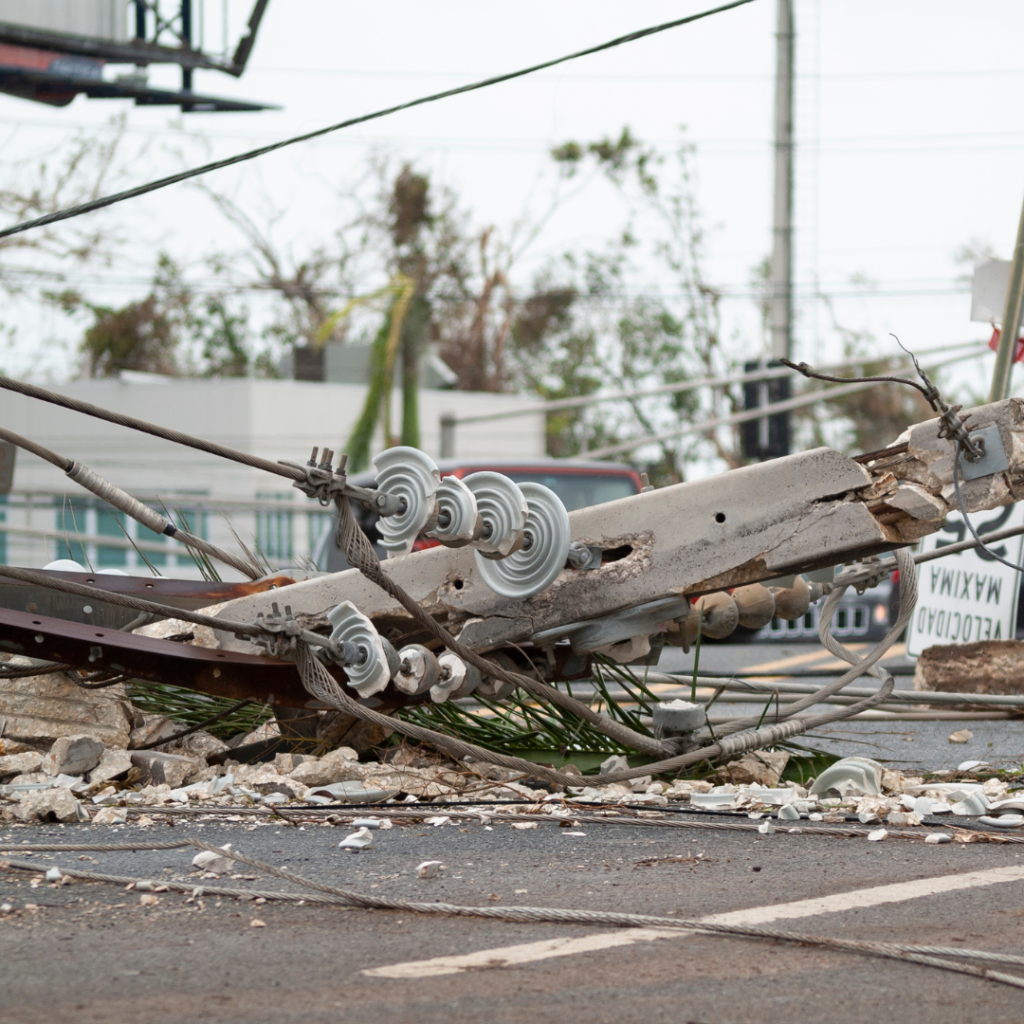
September 10, 2025 | JacobiJournal.com – A fraud suit filed by an insurer has been dismissed by a Puerto Rico federal judge, who ruled against allegations that a public adjuster inflated damage calculations related to Hurricane Maria. The case, which alleged insurance fraud in the aftermath of the 2017 storm, was thrown out after the court determined the claims were legally insufficient to proceed. The outcome of the fraud suit highlights the challenges insurers face when trying to prove exaggerated or false claims in court. Without clear evidence of intent, such fraud suits often fail to advance, signaling that judges will require a higher burden of proof in disaster-related insurance disputes. Court Rejects Insurer’s Allegations The insurer had argued that the public adjuster exaggerated the scale of storm-related damages suffered by a Puerto Rican municipality, seeking higher payouts than warranted. However, the federal court concluded that the evidence presented did not meet the threshold to prove fraudulent intent. The dismissal ends the litigation, at least for now, though appeals remain possible. Hurricane Maria’s Long Legal Aftermath Hurricane Maria caused catastrophic losses across Puerto Rico, leading to years of disputes between policyholders, municipalities, and insurers. Allegations of fraud, inflated claims, and delayed payouts have become a recurring theme in litigation tied to disaster recovery. This case highlights how courts are scrutinizing fraud claims while balancing the need to ensure fair compensation for storm victims. Broader Implications for Insurance Fraud Cases Legal analysts say the ruling underscores the difficulty insurers face in proving fraud against adjusters, particularly in the high-stakes context of natural disasters. With billions in claims tied to hurricanes and other catastrophic events, the decision could influence how insurers pursue similar cases in the future. For access to official case filings and federal court rulings, visit the U.S. District Court for the District of Puerto Rico. FAQs: Hurricane Maria Fraud Suit What was the lawsuit about? An insurer alleged that a public adjuster inflated damage estimates for a Puerto Rican town after Hurricane Maria, leading to excessive insurance claims. Why did the court dismiss the case? The judge ruled that the evidence did not sufficiently prove fraud or misrepresentation by the public adjuster. Does this ruling impact future insurance fraud suits? Yes. It highlights the challenges insurers face in proving fraud in disaster-related claims, potentially shaping strategies in future litigation. What does this mean for Hurricane Maria recovery claims? It reflects the ongoing complexity of resolving insurance disputes tied to the storm and shows that fraud claims require strong, verifiable evidence to succeed. Stay updated on insurance fraud litigation and public integrity cases by subscribing to JacobiJournal.com. 🔎 Read More from JacobiJournal.com:
Ex-Westminster Police Officer Charged with Insurance Fraud After Partying on Disability Leave

Former Westminster police officer charged with workers’ compensation fraud after being spotted partying and traveling during medical leave. Tracey Leong reports for NBC4 News at 11 p.m., May 20, 2025. Credit: NBC Los Angeles — https://www.nbclosangeles.com/ May 21, 2025 | JacobiJournal.com – A former Westminster police officer faces felony charges for allegedly committing insurance fraud and workers’ compensation fraud during her disability leave, the Orange County District Attorney’s Office announced. Nicole Brown, 39, from Riverside, faces nine felony counts for making false statements to receive compensation. She also faces six counts of fraudulent insurance claims. Prosecutors added a sentencing enhancement for aggravated white-collar crime involving over $100,000. Her stepfather, attorney Peter Gregory Schuman, 57, from Buena Park, also faces felony charges for filing fraudulent insurance claims and conspiring to commit illegal acts. Injury and Disability Insurance Fraud Allegations Brown injured her forehead while arresting a suspect in March 2022. An emergency room doctor treated her and cleared her to return to work. However, she later claimed a severe concussion and went on temporary disability leave, which is now at the center of the insurance fraud investigation initiated by the Orange County District Attorney’s Office. Evidence of Contradictory Activities During this time, Brown reportedly attended the Stagecoach Music Festival in April 2023 and was seen traveling and partying. Witnesses reported her dancing and drinking, contradicting her claims of severe symptoms. Investigators also found that Brown took part in two 5K races, snowboarded, skied, attended several soccer conferences, went to baseball games, played golf, and visited Disneyland. She also enrolled in online courses, despite complaining about screen sensitivity. Defense Statement Brown’s lawyer, Brian Gurwitz, said, “Ms. Brown suffered a debilitating head injury while on duty. She plans to vigorously challenge these allegations.” Legal Consequences and Next Steps The charges highlight increased scrutiny of workers’ compensation claims when claimants’ activities conflict with their reported injuries. Brown and Schuman face serious legal consequences if convicted. Stay updated with local crime and legal news from Orange County. FAQs: About Insurance Fraud and Disability Leave Abuse What qualifies as insurance fraud during disability leave? Insurance fraud occurs when an individual knowingly provides false or misleading information to receive disability benefits. In law enforcement or public service, this often includes exaggerating injuries or continuing to claim benefits after recovery. How do investigators detect insurance fraud in disability leave cases? Insurance fraud investigators often rely on surveillance footage, social media activity, medical record reviews, and witness testimony to identify discrepancies between a claimant’s reported injuries and actual behavior. In disability fraud cases, evidence of physical activity—like traveling or partying—while on leave can trigger prosecution. What are the legal consequences of committing insurance fraud while on leave? Penalties for insurance fraud may include felony charges, restitution orders, termination of employment, and loss of future benefits. In California, convicted individuals may also face imprisonment, fines, and professional disqualification. Subscribe to JacobiJournal.com for trusted updates on law enforcement misconduct, insurance fraud cases, and public integrity prosecutions across the U.S. 🔎 Read More from JacobiJournal.com:
Philadelphia Man Admits to Stealing Deceased Classmate’s Identity for Fraudulent Schemes

February 12, 2025 | JacobiJournal.com — Stealing Deceased Classmate’s Identity: A Philadelphia man has pleaded guilty to multiple felony charges after authorities discovered he had stolen the identity of a deceased classmate and used it to commit fraud. Attorney General Dave Sunday announced that Anthony Percell admitted to identity theft, insurance fraud, theft by deception, and forgery in Philadelphia County Court. Cases involving stolen identities of deceased individuals are particularly troubling because they often go undetected for years. Experts note that criminals exploit gaps in death records and reporting systems, making it easier to assume a false identity without immediate suspicion. This form of identity theft not only deceives institutions but also causes additional pain for families of the deceased, who may face unexpected legal or financial complications when the fraud is uncovered. Decades-Old Identity Theft Uncovered Investigators found that Percell had assumed the identity of a former classmate who died in 1986. He used the stolen information to obtain a driver’s license, register a vehicle, apply for a concealed carry firearms permit, and secure insurance. In a more elaborate scheme, he even filed a fraudulent workers’ compensation claim under the deceased individual’s name. Percell’s crimes extended beyond state violations. Federal prosecutors also charged him for using the false identity to obtain a U.S. passport and gain airport access—both serious offenses that raised national security concerns. Sentencing and Legal Consequences Under a plea agreement, Percell will serve a prison sentence ranging from six to 23 months, followed by seven years of probation. Additionally, he is permanently barred from using anyone else’s identity for any reason. The court also ordered him to forfeit all assets and documents obtained through fraud. Attorney General Sunday condemned the scheme, emphasizing its potential risks: “This defendant brazenly stole the identity of a classmate who died decades ago and used that information to apply for a concealed firearms permit and other privileges, potentially putting the public at risk.” A Warning on Identity Theft and Fraud Cases like this highlight the dangers of identity theft, especially when used to commit multiple forms of fraud. Law enforcement agencies continue to crack down on individuals who manipulate personal information for financial and legal gain. For consumers, the risks go beyond financial loss. Identity theft can damage credit scores, delay loan approvals, and even create legal complications if stolen information is tied to criminal activity. Experts recommend monitoring credit reports regularly, safeguarding personal documents, and reporting suspicious activity immediately to reduce exposure to fraud. Read the full report from the Pennsylvania Attorney General’s Office. FAQs: About the Philadelphia Identity Theft Case What did investigators uncover in this Philadelphia identity theft case? They discovered the man had stolen the identity of a classmate who died in 1986, using it to commit fraud and obtain official documents. How was identity theft connected to insurance fraud in this case? The defendant used the stolen identity to secure insurance and even filed a fraudulent workers’ compensation claim. What legal consequences follow identity theft convictions like this one? In this case, the plea deal included a prison term of six to 23 months, probation, and a permanent ban on using another person’s identity. Why is identity theft considered a serious crime? It undermines public safety, increases financial risks, and can even raise national security concerns when used to obtain documents like passports. What happens if someone steals the identity of a deceased person? Stealing the identity of a deceased individual is a serious crime. It can be used to commit fraud, open accounts, or obtain official documents, and may result in criminal charges including identity theft, forgery, and fraud. Families of the deceased may also face legal or financial complications. What is the penalty for identity theft in PA? In Pennsylvania, identity theft can carry felony charges. Penalties may include prison time, probation, fines, and restitution. In this case, the defendant received six to 23 months in prison and seven years of probation, along with a permanent ban on using anyone else’s identity. Stay informed on breaking legal cases and fraud investigations. Subscribe to JacobiJournal.com for trusted updates. 🔎 Read More from JacobiJournal.com:
Texas Drywall Company Owner Indicted for Workers’ Compensation Fraud
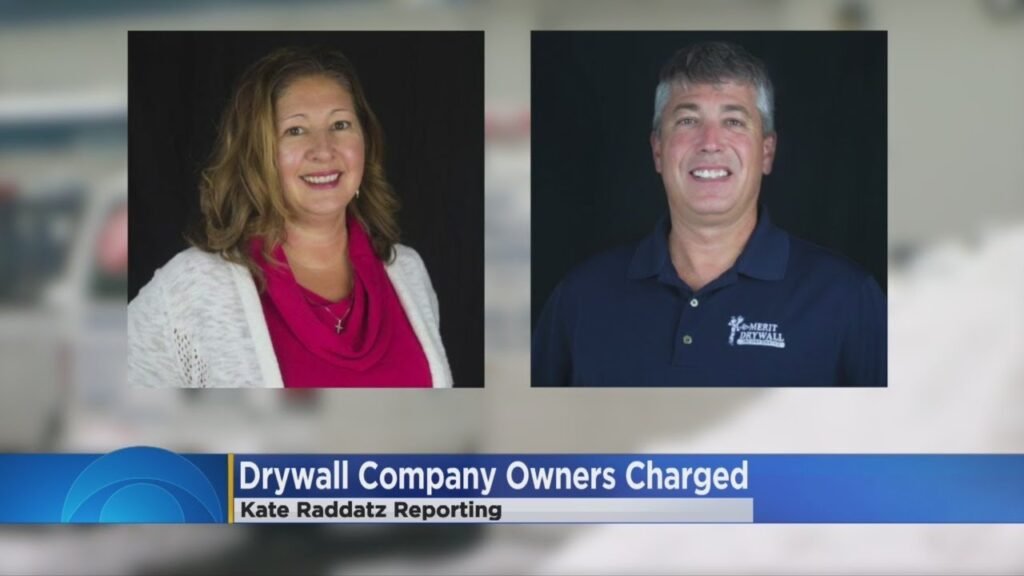
January 15, 2025 | JacobiJournal.com — Compensation fraud charges have been filed against Cristino Tapia Castaneda, the owner of Texana Drywall Construction in Texas. He is scheduled to appear in Travis County District Court on February 12 to face three counts of fraud totaling $170,000, according to the Texas Department of Insurance Division of Workers’ Compensation (DWC). Charges Against Castaneda and Texana Drywall Construction In November, a grand jury indicted Castaneda on charges of Securing Execution of Document by Deception, a second-degree felony. Additionally, Texana Drywall Construction faces accusations of Insurance Fraud and Fraudulently Obtaining Worker’s Compensation Coverage, both classified as state jail felonies. Texas Drywall Company Owner Allegations and Investigation Findings The DWC’s Compensation Fraud Unit conducted a detailed investigation, revealing that Castaneda and his company allegedly misled multiple workers’ compensation insurance providers. They reportedly secured coverage for large, high-profile construction projects in Austin through deceptive means. Furthermore, the investigation uncovered that Castaneda falsified payroll information to significantly reduce the premiums his company had to pay. Insurance Providers Affected These fraudulent activities impacted major insurance carriers, including Texas Mutual and National Specialty Insurance, as reported by the DWC. The insurers were deceived by the manipulated information provided by Castaneda and his company. For full coverage, see the Business Insurance. FAQs: Texas Drywall Company Workers’ Compensation Fraud What is this workers’ compensation fraud case about? It involves allegations that Texana Drywall Construction and its owner falsified payroll and misled insurers to reduce premium costs. What charges were filed against the drywall company owner? Cristino Castaneda faces three felony counts, including securing execution of a document by deception and insurance fraud. Which insurance providers were impacted by the scheme? The fraud affected major carriers such as Texas Mutual and National Specialty Insurance, according to the Texas Department of Insurance. When is the court hearing scheduled? Castaneda is set to appear in Travis County District Court on February 12, 2025. How do I report workers’ compensation fraud in Texas? Workers’ compensation fraud in Texas can be reported to the Texas Department of Insurance, Division of Workers’ Compensation (DWC), either online, by phone, or via mail. The DWC investigates suspected fraud by employers, employees, or third parties. What is a possible consequence of filing a false workers’ compensation claim? Filing a false workers’ compensation claim can result in criminal charges, fines, restitution, and potential jail or prison time, depending on the severity of the fraud. Employers found committing fraud, like in this case, can face felony charges and significant financial penalties. Stay informed on corporate crime, insurance fraud, and legal accountability. Subscribe to JacobiJournal.com for expert reporting on workers’ compensation fraud cases and enforcement updates. 🔎 Read More from JacobiJournal.com:
Vermont Man Charged With Arson and Insurance Fraud Following House Fire

January 2, 2025 | JacobiJournal.com — A Stamford, Vermont, resident now faces charges of first-degree arson and insurance fraud after allegedly setting his own home on fire. The incident happened on the morning of December 27, when the Stamford Fire Department responded to a fire on Mill Road. Authorities emphasized that arson cases linked to financial gain, such as insurance fraud, create ripple effects beyond the immediate damage to property. They place firefighters and nearby residents at serious risk, strain emergency response resources, and undermine confidence in the insurance system. Legal analysts note that Vermont prosecutors often pursue these cases aggressively, given the potential for both public harm and fraudulent financial loss. Firefighters’ Initial Response When crews arrived, they observed heavy black smoke coming from the eaves of the house and a smoke-filled first floor. Flames were already visible at the base of walls on both sides of the staircase. Despite the fire’s intensity, firefighters managed to save the structure. Fire officials later reported that the rapid containment of the blaze prevented it from spreading to nearby homes, a critical outcome in the densely wooded area of Mill Road. Responders also credited coordinated mutual aid protocols, which ensured additional crews and equipment arrived quickly to support Stamford firefighters. Their swift actions not only preserved the residence but also minimized potential injuries and broader community impact. Investigation Uncovers Intentional Fire Stamford Fire Chief Paul Ethier requested assistance from the Vermont Department of Public Safety’s Fire & Explosion Investigation Unit to determine the fire’s cause and origin. Investigators soon concluded that someone had intentionally set the fire. Additional evidence quickly pointed to Joseph Pallas, the homeowner, as the person responsible for starting the blaze. Investigators noted that the physical evidence inside the home was consistent with patterns commonly seen in arson-for-profit schemes, including fire starting points in unusual locations and accelerant indicators. Combined with discrepancies in the homeowner’s statements and financial records, the findings strengthened the case for both arson and insurance fraud charges. Authorities emphasized that pursuing these dual offenses is critical, as fraudulent insurance claims not only endanger public safety but also drive up costs across the industry. Legal Proceedings and Charges On December 30, Vermont State Police issued Pallas a citation for first-degree arson and insurance fraud. He is scheduled to appear in February for arraignment in the criminal division of Vermont Superior Court in Bennington. The affidavit of probable cause, which details the evidence leading to these charges, will become public following the arraignment. Legal experts note that cases involving arson and insurance fraud are often closely scrutinized because they combine both criminal intent and financial deception. If convicted, defendants may face lengthy prison sentences, restitution orders, and lasting damage to their credibility, particularly in insurance-related matters. Prosecutors in Vermont have highlighted that pursuing these offenses aggressively helps deter future fraud and reinforces public confidence in the justice system. Wider Legal and Community Impact This case underscores how crimes like arson combined with insurance fraud extend beyond individual wrongdoing. Such acts threaten public safety by putting firefighters and neighbors at risk, while also straining community resources and increasing costs for honest policyholders. Legal experts note that prosecutions of this kind serve as a warning that fraudulent claims tied to criminal acts carry severe consequences, including prison time and long-term financial penalties. Beyond the immediate case, officials warn that arson and insurance fraud can erode trust in both emergency response systems and financial institutions. When individuals exploit these services for personal gain, communities bear the hidden costs through increased premiums, diverted resources, and heightened risks to public safety. Addressing these crimes effectively requires coordination between law enforcement, insurers, and regulators to ensure accountability and protect consumers. For more background on insurance fraud and arson cases, visit the National Association of Insurance Commissioners (NAIC), which provides resources on fraud prevention and consumer protection. FAQs: Vermont Arson and Insurance Fraud What charges were filed in this Vermont case? Homeowner Joseph Pallas faces first-degree arson and insurance fraud charges after authorities determined the fire at his Stamford residence was intentionally set. Why are arson and insurance fraud treated so seriously? Both crimes pose threats to public safety, put first responders at risk, and drive up costs for insurers and policyholders. When is the court hearing scheduled? Pallas is expected to appear in February for arraignment at Vermont Superior Court in Bennington, where the affidavit of probable cause will be made public. How are arson and insurance-related fraud investigations conducted in Vermont? Local fire departments typically coordinate with the Vermont Department of Public Safety’s Fire & Explosion Investigation Unit to uncover the cause and origin of suspicious fires. What is the difference between arson and insurance fraud? Arson is the criminal act of intentionally setting fire to property. Insurance fraud occurs when someone makes a false or misleading claim to collect insurance benefits. When a person sets their own home on fire to obtain a payout, they may face both arson and insurance fraud charges. Stay informed on breaking cases involving fraud, public safety, and financial crime. Subscribe to JacobiJournal.com for ongoing updates and expert legal analysis. 🔎 Read More from JacobiJournal.com:
California Vocational School CEO Faces 23 Felony Charges for Insurance Fraud

December 24, 2024 | JacobiJournal.com — California Vocational School CEO: Hazel Ortega, the CEO of one of California’s largest vocational return-to-work counselling centers, is facing 23 felony charges, including insurance fraud, theft, and forgery. Ortega, 53, who resides in La Habra, appeared in court this week after a California Department of Insurance (CDI) investigation uncovered evidence of her alleged fraudulent activities. The case has drawn significant attention from both state regulators and industry experts, as it underscores growing concerns about fraudulent practices within vocational rehabilitation services. Authorities noted that misuse of the Supplemental Job Displacement Benefit program not only defrauds insurers but also deprives injured workers of legitimate opportunities for retraining and reemployment. Legal analysts suggest the outcome of Ortega’s prosecution could influence future oversight and compliance standards for vocational counselling centers across California. Allegations of Forgery and Coercion The CDI launched its investigation following complaints from insurers who accused Ortega of defrauding at least four insurance companies. According to the allegations, Ortega forged documents on behalf of injured workers without their knowledge or consent. Her business, Ortega Counseling Center, reportedly referred injured workers to unapproved schools ineligible to receive voucher funds through California’s Supplemental Job Displacement Benefit (SJDB) program. The SJDB program provides financial assistance of $6,000 to $10,000 for injured workers seeking educational retraining or skill enhancement. To qualify, workers must use the funds at state-approved or accredited institutions. Ortega, however, pressured injured workers to attend unapproved schools and failed to inform them of alternative, eligible options. Detectives interviewed injured workers who had SJDB and vocational counselling invoices submitted by Ortega. These workers revealed they never saw or reviewed the forms Ortega submitted to insurers on their behalf. A History of Fraudulent Schemes This is not the first time Ortega has faced legal trouble. She was previously charged in Los Angeles County for her role in a separate insurance fraud scheme that reportedly netted nearly $1 million. Investigators allege that Ortega, along with other vocational counsellors, received approximately $500,000 in illegal kickbacks for referring injured workers to a fraudulent school in the Los Angeles area. The Los Angeles County District Attorney’s Office is currently prosecuting Ortega’s case. If convicted, she could face significant penalties, including restitution to defrauded insurers and potential prison time. Broader Implications for Injured Workers This case highlights critical vulnerabilities within programs designed to assist injured workers. Fraudulent activities like those alleged against Ortega undermine the integrity of vital benefits, leaving already vulnerable individuals without the support they need to return to work. For official details on ongoing fraud prosecutions, visit the California Department of Insurance press releases. FAQs: California Vocational School CEO What charges does the California Vocational School CEO face? The California Vocational School CEO, Hazel Ortega, faces 23 felony charges including insurance fraud, theft, and forgery. How did the California Vocational School CEO allegedly commit insurance fraud? Investigators allege the California Vocational School CEO forged documents and coerced injured workers into unapproved schools to misuse voucher funds. What role does the SJDB program play in the California Vocational School CEO case? The SJDB program provides retraining benefits, but prosecutors allege the California Vocational School CEO misdirected workers to ineligible schools. Has the California Vocational School CEO faced fraud charges before? Yes, the California Vocational School CEO was previously linked to another fraud scheme in Los Angeles County that involved nearly $1 million in losses. Is insurance fraud a felony in California? Yes, insurance fraud can be charged as a felony in California, particularly when it involves large financial losses, forged documents, or repeated fraudulent schemes, as in the case of Hazel Ortega. What are the consequences of insurance fraud? Consequences may include criminal charges, prison time, restitution to defrauded insurers, fines, and professional sanctions. Felony convictions, like those alleged against Ortega, can also carry long-term legal and financial repercussions. Is insurance fraud a major crime? Yes, insurance fraud is considered a major crime because it affects insurers, policyholders, and public trust. Large-scale or repeated fraud can lead to severe penalties and increased regulatory oversight. Stay ahead of the latest fraud and workers’ compensation cases—subscribe to JacobiJournal.com for breaking news, expert analysis, and legal insights. 🔎 Read More from JacobiJournal.com:
Insurance Fraud Settlement in the Midwest: Major Development

December 24, 2024 | JacobiJournal.com — Insurance Fraud Settlement: A significant fraud settlement has been reached involving an insurer in the Midwest. The case, reported by Insurance Journal (Read the full article), highlights ongoing challenges in combating fraudulent activities within the industry. Case Highlights: This case reminds insurers to remain vigilant and implement robust fraud detection mechanisms. It also illustrates the importance of collaboration between regulatory bodies and the private sector. Key Takeaways for Tax Professionals Whether it’s individual or business-related taxes, 2024 is bringing significant shifts. Baker Tilly’s reports outline changes in deductions, tax brackets, and compliance rules. Here’s a snapshot: Discover actionable insights tailored for your needs by visiting their tax update resources: Learn More. Modernizing Fraud Investigations Fraud investigations often involve emotionally vulnerable individuals. Recognizing this, the use of trauma-informed principles is gaining traction, helping to build trust and ensure fair practices. Experts suggest: By emphasizing care, accuracy improves while communities feel better served. Learn more about implementing these approaches by exploring the original article on Insurance Fraud.org. FAQs: Insurance Fraud Settlement What is the insurance fraud settlement in the Midwest about? The insurance fraud settlement in the Midwest involved allegations of false claims that led to millions in damages and stricter compliance oversight. How does the insurance fraud settlement impact insurers? The insurance fraud settlement underscores the need for insurers to strengthen fraud detection systems and collaborate with regulators to reduce risks. What financial lessons come from the insurance fraud settlement? The insurance fraud settlement demonstrates how fraudulent claims can result in severe financial losses, emphasizing proactive fraud prevention strategies. Why is collaboration important in the insurance fraud settlement? The insurance fraud settlement shows how insurers, regulators, and legal experts working together can create stronger fraud prevention frameworks. What is the largest fraud settlement in history? While the Midwest settlement highlighted in this article involved millions in damages, historically, the largest insurance and financial fraud settlements have reached into the billions, often involving multinational corporations or systemic fraudulent schemes. What is the current trend in insurance fraud? Insurance fraud continues to rise in complexity, with schemes ranging from false claims and staged accidents to sophisticated digital scams. Insurers are increasingly adopting technology-driven detection systems and collaborative strategies with regulators. Is insurance fraud a major crime? Yes, insurance fraud is considered a serious crime because it can lead to substantial financial losses, higher premiums for consumers, and potential criminal charges for those involved. Regulatory authorities treat repeated or large-scale fraud particularly harshly. What is the maximum sentence for insurance fraud? Penalties vary by state and the scale of the fraud. Large-scale or multi-year fraudulent schemes can result in lengthy prison terms, heavy fines, and restitution orders, alongside professional sanctions for those in the insurance industry. Stay informed on insurance fraud cases, compliance updates, and financial crime developments — subscribe to JacobiJournal.com for exclusive insights. 🔎 Read More from JacobiJournal.com:
What Is a Trauma-Informed Approach?

December 20, 2024 | JacobiJournal.com — Trauma-informed approach emphasizes understanding and responding to the psychological impact of trauma on individuals involved in fraud investigations. By recognizing signs of trauma and adjusting investigative strategies, insurers and law enforcement can: Adopting a trauma-informed approach also helps organizations identify and address systemic issues that may exacerbate stress or hinder effective investigations. By integrating trauma awareness into policies and training, insurers can create a more supportive environment for both staff and participants, ultimately improving the reliability of information collected and the overall effectiveness of investigations. For investigators, insurers, and regulatory professionals, integrating trauma-informed practices means more than following guidelines—it’s about fostering a culture of awareness and empathy in every interaction. By prioritizing the psychological well-being of victims, witnesses, and even staff, your team can gather more reliable information, reduce resistance, and improve cooperation. This proactive approach not only strengthens individual investigations but also reinforces your organization’s reputation for ethical and effective fraud prevention. Key Strategies for Implementation By consistently applying these key strategies, organizations can ensure that trauma-informed practices are not just theoretical but actively integrated into daily investigative work. This approach helps maintain high standards of care, enhances trust with all stakeholders, and promotes more accurate and ethical outcomes in these investigations. Why This Matters Investigations of frauds are inherently stressful, and trauma can compound the difficulty of obtaining reliable information. By adopting a trauma-informed approach, insurers can: Implementing a trauma-informed approach not only benefits the immediate outcomes of investigations but also fosters long-term trust between insurers, victims, and communities. By demonstrating sensitivity and understanding, organizations can encourage more individuals to come forward with crucial information, reduce the risk of retraumatization, and create a safer environment for all parties involved. Over time, these practices contribute to a more resilient and ethical investigative framework, enhancing the overall integrity of the insurance industry. For an in-depth analysis of implementing a trauma-informed approach in investigations, refer to the Journal of Insurance Fraud in America: Building A Trauma-Informed Enforcement Approach. FAQs: Trauma-Informed Approach in Fraud Investigations What is a trauma-informed approach? A trauma-informed approach in investigations involves recognizing and responding to the effects of trauma on victims and witnesses. This method emphasizes understanding the psychological impact of trauma and adjusting investigative strategies accordingly. How does a trauma-informed approach benefit investigations in fraud? By acknowledging the emotional and psychological effects of trauma, investigators can build rapport, enhance the accuracy of information gathered, and ensure that investigative practices respect the well-being of all stakeholders. What are key strategies for implementing a trauma-informed approach? Key strategies include providing training for investigators to recognize trauma responses, adjusting policies to embed trauma-informed principles, collaborating with mental health professionals, and continuously evaluating practices to address gaps and improve effectiveness. Why is a trauma-informed approach important in such investigations? A trauma-informed approach is crucial because it helps improve the quality of investigations, strengthens relationships with victims and witnesses, and sets a higher standard for ethical and effective practices in the industry. What is an example of a trauma-informed approach? An example is training investigators to identify trauma responses, modifying interview techniques to be supportive, and collaborating with mental health professionals to assist victims or witnesses. These steps help gather reliable information while prioritizing well-being. Stay informed about innovative approaches in fraud investigations. Subscribe to JacobiJournal.com for the latest updates and expert insights. 🔎 Read More from JacobiJournal.com:
Balancing Quality and Efficiency in Fraud Investigations

December 19, 2024 | JacobiJournal.com — Efficiency in fraud investigations is a critical concern in the insurance sector, where investigators face a unique challenge: the productivity paradox. This paradox refers to the difficulty of balancing quality and efficiency in investigative processes, as highlighted in an article from Insurance Fraud.org. Fraud.org. Maintaining efficiency in fraud investigations often forces investigators to make difficult trade-offs between thoroughness and speed. While high-quality investigations are essential to uncover complex fraud schemes, the increased time and resources required can strain operational capacity. Conversely, prioritizing efficiency may lead to oversights, allowing sophisticated fraudulent activities to go undetected. This ongoing tension highlights the importance of adopting strategies that support both accurate and timely fraud detection. Understanding the Productivity Paradox As fraud schemes grow increasingly complex, the demand for high-quality investigations intensifies. However, meeting this demand often comes at the cost of efficiency in fraud investigations, leading to longer investigation timelines and increased operational costs. Conversely, prioritizing efficiency can compromise the thoroughness and accuracy of fraud investigations, leaving insurers vulnerable to undetected schemes. Strategies to Overcome the Paradox To address this challenge, insurers and investigators can implement the following strategies: Conclusion Balancing quality and efficiency in fraud investigations is critical to maintaining the integrity of the insurance industry. By adopting innovative technologies, investing in training, and fostering collaboration, insurers can overcome the productivity paradox and protect their resources effectively. Enhancing efficiency in fraud investigations not only reduces operational costs and investigation timelines but also ensures that complex schemes are detected and addressed promptly. Ultimately, a focus on both quality and efficiency strengthens trust in the insurance system and safeguards resources for legitimate claims. As professionals in the insurance and fraud investigation sectors, you understand the challenges of balancing speed and accuracy. By prioritizing efficiency in fraud investigations, you can allocate your resources more effectively, respond to cases faster, and still maintain the thoroughness needed to uncover sophisticated schemes. Implementing the right strategies ensures your efforts have maximum impact, protecting both your organization and the clients you serve. For more insights into balancing quality and efficiency in fraud investigations, refer to the article from Insurance Fraud.org. FAQs: Balancing Quality and Efficiency in Fraud Investigations What is the productivity paradox in fraud investigations? The productivity paradox refers to the challenge of balancing the need for high-quality investigations with the demand for efficiency, often leading to longer timelines or compromised thoroughness. How can advanced technology improve fraud investigation efficiency? Utilizing tools like AI and machine learning can automate routine tasks, allowing investigators to focus on complex cases, thereby improving both quality and efficiency. Why is continuous training important for fraud investigators? Regular training equips investigators with the latest skills and knowledge to handle evolving fraud schemes, ensuring high-quality investigations and efficient case resolutions. What role does collaboration play in balancing quality and efficiency? Promoting collaboration between departments can streamline workflows, share critical insights, and improve both the quality and efficiency of fraud investigations. What is fraud risk management? Fraud risk management is a structured approach to identify, prevent, detect, and respond to fraud. It includes risk assessments, monitoring, employee training, and clear reporting protocols to protect assets and minimize losses. What is the best method to prevent fraud in the workplace? The best method combines strong internal controls, employee education, regular audits, and technology like AI analytics to detect anomalies. Fostering an ethical culture encourages reporting and reduces the risk of fraud. Stay informed about the latest developments in legal actions and regulatory news. Subscribe to JacobiJournal.com for expert analysis and updates on combating fraudulent activities in the insurance sector. 🔎 Read More from JacobiJournal.com:
Combatting Transnational Organized Crime: Strategies for Insurance Investigators

December 19, 2024 | JacobiJournal.com — Combatting Transnational Organized Crime: Transnational organized crime poses a significant threat to the insurance industry, particularly through sophisticated vehicle-related fraud schemes. These criminal networks operate across borders, exploiting systemic vulnerabilities to perpetrate large-scale insurance fraud. According to an article from Insurance Fraud.org, these schemes are becoming increasingly complex, requiring advanced investigative strategies to address them effectively. Structure and Motivation of Criminal Networks These organizations resemble traditional businesses, with hierarchical structures comprising individuals with diverse skill sets. Lower-level operatives, often driven by economic hardship, execute the physical aspects of crimes, while professionals such as lawyers, accountants, and IT experts facilitate and conceal illicit activities. Their primary motivation is financial gain, achieved by exploiting disparities in international laws and enforcement to evade detection. Impact on the Insurance Industry Combatting Transnational Organized Crime: The involvement of transnational crime groups in insurance fraud, especially through vehicle-related schemes, leads to substantial financial losses for insurers and policyholders. These activities contribute to increased premiums and strain customer service resources. The complexity and scale of such frauds necessitate advanced investigative strategies to combat them effectively. Strategies for Insurance Investigators To address this challenge, insurance investigators should: Conclusion By adopting these measures, the insurance industry can strengthen its defences against the pervasive threat of transnational organized crime. The article from Insurance Fraud.org highlights the importance of innovative approaches, collaboration, and public awareness in tackling these complex challenges. For more insights into the impact of transnational organized crime on the insurance industry, refer to the article from Insurance Fraud.org. FAQs: Transnational Organized Crime Insurance Fraud What is transnational organized crime insurance fraud? Transnational organized crime insurance fraud involves criminal networks operating across borders to perpetrate large-scale insurance fraud schemes, often through vehicle-related scams. How do criminal networks structure their operations for insurance fraud? These organizations resemble traditional businesses, with hierarchical structures comprising individuals with diverse skill sets, including professionals who facilitate and conceal illicit activities. What impact does transnational organized crime have on the insurance industry? The involvement of such crime groups leads to substantial financial losses for insurers and policyholders, contributing to increased premiums and strained customer service resources. What strategies can insurance investigators employ to combat this type of fraud? Investigators should enhance cross-border collaboration, utilize advanced analytics, engage in continuous training, and promote public awareness to effectively address transnational organized crime insurance fraud. What can be done to reduce the threat of transnational organized crime? Reducing the threat of transnational organized crime in insurance requires a multi-pronged approach. Key measures include strengthening international collaboration among law enforcement agencies, using advanced data analytics to detect suspicious patterns, providing continuous training for investigators, and raising public awareness to encourage reporting of fraudulent activities. By combining these strategies, insurers can better identify and dismantle cross-border fraud networks. What are the biggest challenges in combating transnational organized crime in the U.S. insurance industry? The U.S. insurance industry faces several challenges in addressing transnational organized crime, including tracking cross-border fraud schemes, coordinating with international law enforcement, detecting sophisticated identity and vehicle-related scams, and keeping pace with evolving technologies used by criminal networks. These challenges require advanced analytics, specialized training, and proactive collaboration among insurers and regulators. Stay informed about the latest developments in legal actions and regulatory news. Subscribe to JacobiJournal.com for expert analysis and updates on combating fraudulent activities in the insurance sector. 🔎 Read More from JacobiJournal.com: