Life Insurer Labels Kyle Busch’s $8.5M Suit ‘Inflammatory’

January 26, 2026 | JacobiJournal.com — A legal dispute between NASCAR driver Kyle Busch and Pacific Life Insurance Co. has taken a sharp turn, as the insurer moves to dismiss the couple’s $8.5 million lawsuit, calling the claim “inflammatory” and arguing that the policies were allowed to lapse deliberately rather than maintained for long-term growth. The lawsuit alleges the life insurance policies were “sham” agreements designed to inflate value, while Pacific Life insists the couple failed to pay premiums, leading to policy termination. The case has drawn attention for its high-profile defendant and for the broader implications it raises about insurance fraud, policy ownership, and premium responsibility. What Happened With the Policies? Pacific Life argues that Kyle Busch and his wife failed to maintain premium payments, allowing the policies to lapse. According to the insurer, this demonstrates that the policies were not treated as long-term investments, but instead were abandoned before they could grow in value. The insurer’s motion claims the couple’s lawsuit is an attempt to blame the insurance company for a self-inflicted financial decision. Why the Lawsuit Is Being Called “Inflammatory” Pacific Life’s legal filing frames the lawsuit as exaggerated and misleading. The insurer argues that the couple’s claims suggest intentional wrongdoing by Pacific Life, while the evidence shows the policies were not actively maintained. In cases like this, insurers often move to dismiss based on: The insurer’s position is that the lawsuit seeks to shift blame away from the policyholders, and that the policies were never properly sustained. How This Case Connects to Insurance Fraud Concerns This case raises questions about whether the policy was ever meant to operate as a legitimate insurance product or whether it was used for a financial strategy that failed. Insurance fraud cases often hinge on whether: If the court finds that premiums were intentionally not paid, the lawsuit could be dismissed, but if evidence suggests the insurer misled the policyholder, the case may proceed. What’s Next in the Case Pacific Life’s motion to dismiss is an early legal move designed to remove the case from court quickly. If the motion fails, the case could proceed to discovery, where both sides will produce documents, financial records, and internal communications. The outcome could influence how future insurance disputes involving high-profile individuals are handled, especially when allegations of fraud are involved. For a broader overview of how life insurance fraud claims are handled in court, readers can refer to the National Association of Insurance Commissioners (NAIC) resources on insurance fraud. FAQs: Kyle Busch Lawsuit What is Kyle Busch suing Pacific Life for? Kyle Busch and his wife claim the life insurance policies were sham agreements and are seeking $8.5 million in damages. Why is Pacific Life calling the lawsuit inflammatory? Pacific Life argues the lawsuit exaggerates the insurer’s role and claims the policies held by Kyle Busch and his wife were allowed to lapse because premiums were not paid. Can an insurance policy be considered fraud if premiums lapse? Not automatically. Courts examine intent, misrepresentation, and whether the policyholder knowingly allowed the policy to lapse. What happens if the insurer wins the dismissal motion? If the court grants Pacific Life’s motion, Kyle Busch and his wife’s lawsuit will be dismissed, and the policyholders will not receive the $8.5 million in damages they seek. Subscribe to JacobiJournal.com for timely updates on litigation, fraud cases, and major insurance disputes. 🔎 Read More from JacobiJournal.com:
INVESTIGATIVE EXCLUSIVE: RAND Study Overstates CA SIBTF Liability by $6.75 Billion

In 2022, the California DIR commissioned the RAND Corporation to review the state’s Second Injury Fund, called the Subsequent Injury Benefits Trust Fund (SIBTF), to assess its financial impact on the California Workers Compensation Industry. With it, RAND was provided unparalleled access to the state’s EMR systems. In 2024 RAND reported the results of their findings in a 180-page report. The highlight, a staggering $7.9 Billion estimated liability for the fund. This number sent shockwaves throughout the state of California and lawmakers felt the pressure to reform. A Jacobi Journal investigative report concludes that the study’s $7.9 Billion SIBTF estimate included a series of highly questionable assumptions that when put together led to a massive $6.75 billion overstatement of the fund’s future liability. RAND’s overstatement stems primarily from two critical flaws: The magnitude of the errors are so egregious that they could reasonably be considered fraudulent. It is clear to us that the specific intent of the study was to exaggerate the economic reality of California’s SIBTF liability for the purpose of bringing about a policy change at the state level. RAND’S FRAUDULENT ASSUMPTIONS 1. The study assumed 91% of all open cases would result in benefits paid to the worker when the historical average ranges from 24-44%. % of SIBTF Cases That Paid Benefits Sample Time Period Sample Size Resolved w/ Benefits All Resolved Cases 2010-2022 14,611 44.40% All Open and Closed Cases 2010-2022 27,047 24.00% RAND’s Prediction Algorithm 2019-2022 42 91.24% 2. The cost of Total Disability cases (where the applicant is found to be 100% disabled) was overstated by $453,933 per case due to several clearly false assumptions. This resulted in billions of dollars of inflated liability estimates. Assumption Error RAND’s Assumption Jacobi’s Corrected Assumption Impact on $933k Estimate Inflated COLA Rate 3.9% annual COLA 2.6% annual COLA (20-year historical average) Reduces cost to $774,017 Understated Discount Rate 3% Discount Rate 7% Discount Rate (Closer to public pension average of 6.7%) Reduces cost to $489,619 Overstated Life Expectancy General population life expectancy 17% Reduction (As admitted in RAND’s own addendum) Reduces cost to $418,345 Jacobi Corrected Estimate: Total SIBTF Future Liability = $1.25 Billion RAND study’s estimated California’s SIBTF liability to be $7.9 Billion. To arrive at that number, the study made a series of assumptions, many of which were questionable. For the purposes of simplicity we chose to focus on only two that we believed were the most impactful: the forecasted Benefit Payment Rate (91%) and the Total Cost of a Lifetime Income Award ($933,00). By simply adjusting these two factors to include assumptions that more properly reflect empirical evidence, the estimate of SIBTF liability is substantially reduced. Component RAND Study Estimate Jacobi Corrected Estimate Resolved Cases (2010-2022) $2,492,407,301 $587,450,200 Correction: Accurate Sampling Weights, COLA 2.6%, Discount Rate 7%, Corrected Life Expectancy, Reduced Life Expectancy, Sampling Adjustment Projected Unresolved Cases $5,454,644,236 $664,141,517 Corrections: Abandoned Cases Factored, Dismissal Rate of 70% used, COLA 2.6%, Discount Rate 7%, Reduced Life Expectancy Total Estimated Fund Liability $7,947,051,537 $1,251,591,717 RAND was clearly hired to produce a report to help facilitate a material alteration of the SIBTF program. To do so, they decided to manufacture a fraudulent and deceptive narrative. As a result, lawmakers in the state of California appear to be under a false assumption as it relates to the future costs related to SIBTF. We anticipate that our Investigative Report will allow lawmakers to be better informed as they evaluate the future of a benefit program that serves the severely disabled.
Funeral Director Pleads Guilty to Fraud and Mishandling Remains

November 10, 2025 | JacobiJournal.com — Funeral Director Fraud has been exposed in Hull, UK, as Robert Bush, a local funeral director, pleaded guilty on November 10, 2025, to 36 offenses including fraud and mishandling human remains. Investigations revealed that Bush accepted payments for funeral services without performing lawful burials for at least 30 deceased individuals. In multiple instances, he provided unidentified ashes to the families of stillborn babies. The case exposes serious vulnerabilities in funeral-service oversight, consumer protection, and related insurance claims. The case also highlights the broader implications of funeral director fraud for the industry, including reputational damage, increased scrutiny from regulators, and potential financial liability for insurers covering funeral services. It emphasizes the need for robust internal controls, routine compliance audits, and staff training to detect and prevent unethical practices before they affect families. How the Fraud Occurred Authorities discovered that Bush systematically exploited grieving families by accepting payments without performing the required funeral services. His actions, which included falsifying cremation records, fabricating documentation, and providing ashes that did not belong to the deceased, are a clear example of funeral director fraud and its impact on families and the industry. What This Means for Oversight and Compliance This case underscores the importance of regulatory enforcement, audit controls, and ethical compliance in the funeral industry. Funeral homes and insurance providers should ensure: This case also highlights the need for training staff to recognize signs of misconduct and for industry leaders to establish clear reporting channels. By fostering a culture of accountability, funeral homes and insurers can reduce the risk of funeral director fraud and protect families from financial and emotional harm. Why It Matters The Bush case demonstrates the risks that arise when oversight is weak. For insurers, fraudulent funeral claims can create significant financial exposure. For regulators and consumer advocates, it underscores the importance of strict monitoring and compliance programs to prevent funeral director fraud and protect vulnerable families from both financial and emotional harm. Cases like Bush’s show that weak oversight not only harms families but also creates opportunities for funeral director fraud to go undetected. Strengthening licensing requirements, conducting regular audits, and verifying all services and payments can help prevent similar misconduct and maintain trust in the funeral industry. Learn more and read the detailed coverage here. FAQs: Funeral Director Fraud and Misconduct What crimes did the Hull funeral director commit? Robert Bush pleaded guilty to fraud and mishandling human remains, including accepting payments for services he did not perform and providing unidentified ashes to families. How did authorities uncover the fraud? Investigations were triggered by discrepancies in burial and cremation records, complaints from families, and irregularities in service documentation. Can funeral fraud affect insurance claims? Yes. Insurance providers can face financial exposure if services are misrepresented or false claims are submitted, highlighting the need for verification and auditing of claims. What steps can regulators take to prevent similar cases? Regulators can implement stricter licensing, conduct regular audits of funeral homes, enforce transparent documentation requirements, and monitor high-risk providers. Why is oversight important in the funeral industry? Weak oversight can allow unethical practices, financial exploitation of grieving families, and legal violations, making strict regulatory controls and compliance programs essential. Subscribe to JacobiJournal.com for investigative reporting on insurance fraud, compliance risks, and consumer-protection issues. 🔎 Read More from JacobiJournal.com:
Federal Judge Blocks Insurer’s Early Exit in Gas Explosion Liability Case

October 31, 2025 | JacobiJournal.com — A federal court has ruled that a major insurer must remain in a coverage dispute tied to a devastating gas explosion at an industrial site, rejecting the company’s request to withdraw before the facts of the case are fully determined. The ruling underscores how courts interpret insurance obligations when catastrophic property losses and personal injury claims arise from industrial incidents. Legal analysts note that the decision may shape how liability policies are enforced in similar high-risk situations, particularly where multiple contractors or equipment suppliers are involved. Insurer Required to Maintain Defense The case centers on a 2022 gas leak that led to a massive gas explosion, injuring several workers and destroying nearby structures. The insurer argued that the event was excluded under its policy’s hazardous-materials clause, but the court found that the underlying complaint raised potentially covered allegations — enough to require the company to stay in the case for now. “The duty to defend is triggered whenever there’s a possibility of coverage,” the judge wrote, emphasizing that insurers must remain active participants until the factual record is complete. Policy Ambiguity and Broader Industry Impact Insurance analysts say the decision could have ripple effects across the property and casualty market, especially for carriers managing industrial or construction portfolios. The ruling underscores how ambiguous exclusion language can expose insurers to extended litigation and defense costs. Legal experts also point out that courts are increasingly hesitant to grant “early exit” motions in coverage disputes involving environmental or industrial hazards, where causation often remains unclear until trial. In the aftermath of the gas explosion, both policyholder and insurer are expected to present competing interpretations of coverage terms related to negligence, equipment failure, and third-party liability. Industry observers note that these arguments often set legal precedents that shape how future catastrophic loss claims are handled under commercial general liability policies. What It Means for Policyholders For business owners, the ruling is a reminder to review policy wording carefully — particularly clauses addressing leaks, gas explosion incidents, and equipment failure. Risk managers should maintain documentation of maintenance, safety inspections, and vendor compliance to prevent coverage denials tied to alleged negligence. For more on how insurers assess catastrophic gas explosion coverage and related liability claims, see the Insurance Information Institute’s resource on liability here. FAQs: Gas Explosion Insurance Coverage Case Why did the court reject the insurer’s motion? Because the lawsuit included allegations that could fall under the policy’s general liability coverage, requiring the insurer to stay in the case. What type of policy was involved? A commercial general liability policy covering property damage and bodily injury from accidental events. How does this decision affect insurers? The ruling limits insurers’ ability to exit complex industrial coverage disputes, such as gas explosion claims, early—even if some allegations may fall outside the policy scope. They must remain involved until the underlying facts of the gas explosion are clarified, which can extend their legal and investigative obligations. Insurers now face greater exposure in cases where overlapping allegations from a gas explosion could trigger general liability coverage. This emphasizes the importance of careful policy drafting, thorough claims evaluation, and proactive risk management in high-risk industrial scenarios. What should businesses learn from this? Ensure maintenance records, safety audits, and risk-management documentation are current to minimize disputes over coverage and negligence. Stay informed on coverage litigation and insurer-liability rulings — subscribe to JacobiJournal.com for weekly legal insights. 🔎 Read More from JacobiJournal.com:
NICB Reports 49% Spike in Insurance Fraud Tied to Identity Theft

October 20, 2025 | JacobiJournal.com — The National Insurance Crime Bureau (NICB) has reported a sharp 49% increase in insurance fraud cases involving identity theft and synthetic identities, marking one of the most significant fraud surges in recent years. Investigators say fraudsters are using stolen or fabricated identities to file false life insurance, healthcare reimbursement, and auto claim submissions. The trend reflects how cyber-enabled identity manipulation is fueling traditional insurance fraud schemes, often making detection harder for carriers and regulators alike. Experts warn that this surge in identity-based claims represents a growing challenge for the insurance industry, as these schemes combine elements of cybercrime with classic insurance fraud tactics. Fraudsters are increasingly leveraging technology to exploit verification weaknesses, creating multiple fraudulent claims across different policies and insurers. Analysts suggest that companies must strengthen digital authentication, implement cross-industry data sharing, and adopt advanced fraud analytics to detect and prevent these sophisticated insurance fraud attempts before they escalate. Synthetic Identities Driving Sophisticated Claim Schemes According to NICB analysts, many of the new cases involve synthetic identities—combinations of real and fake personal data used to create entirely new profiles. These synthetic claimants have been tied to false medical reimbursement requests and policies opened with fabricated beneficiaries. Experts warn that because these profiles can pass basic identity checks, insurers are increasingly vulnerable to digital-first fraud networks that exploit weak authentication processes. The rise of synthetic identities represents a particularly complex form of insurance fraud, as perpetrators can file multiple claims across different lines of coverage without immediate detection. Insurers now face the challenge of distinguishing legitimate policyholders from carefully constructed fraudulent identities, requiring enhanced analytics, biometric verification, and real-time cross-database monitoring. Industry specialists emphasize that failure to address this evolving threat could lead to substantial financial losses and regulatory scrutiny for carriers confronting sophisticated insurance fraud schemes. Life and Health Insurers See Growing Exposure Life and health insurance lines appear most affected by this year’s surge, with fraudulent actors targeting beneficiary databases and policy applications. NICB’s 2025 midyear review found that identity-based fraud has expanded from consumer policy abuse to organized criminal activity, sometimes involving multiple insurers. “These schemes often blend cybercrime with traditional claim fraud,” an NICB spokesperson said. “As digital verification expands, so does the surface area for exploitation.” Regulatory and Industry Response Emerging Regulators are responding by encouraging insurers to adopt multi-factor verification systems and cross-database fraud detection models. Insurers are also collaborating with NICB and law enforcement to share intelligence on synthetic claimants and compromised identity clusters. Industry observers predict that insurers who fail to integrate fraud analytics and biometric verification tools will face greater exposure to multi-claim identity manipulation. For the official NICB fraud trend report, visit the National Insurance Crime Bureau’s Fraud Resource Center. FAQs: Insurance Fraud Identity Theft Trends 2025 What did NICB report about identity theft and insurance fraud? NICB documented a 49% increase in insurance fraud tied to stolen or synthetic identities across multiple insurance sectors. Which types of insurance are most affected? Life and health insurance claims, along with some auto and property lines, are seeing the fastest rise in identity-linked fraud. What makes synthetic identity fraud difficult to detect? Synthetic identities blend real and fake data, often passing basic verification systems and enabling multiple false claims under different personas. How can insurers respond to this threat? Experts recommend biometric verification, AI-powered fraud analytics, and cross-industry data sharing through organizations like NICB. Stay informed on fraud enforcement and insurer liability —subscribe to JacobiJournal.com for expert weekly insights. 🔎 Read More from JacobiJournal.com:
Ameritas Urges Georgia Supreme Court To Void ‘Life Wager’ Policy
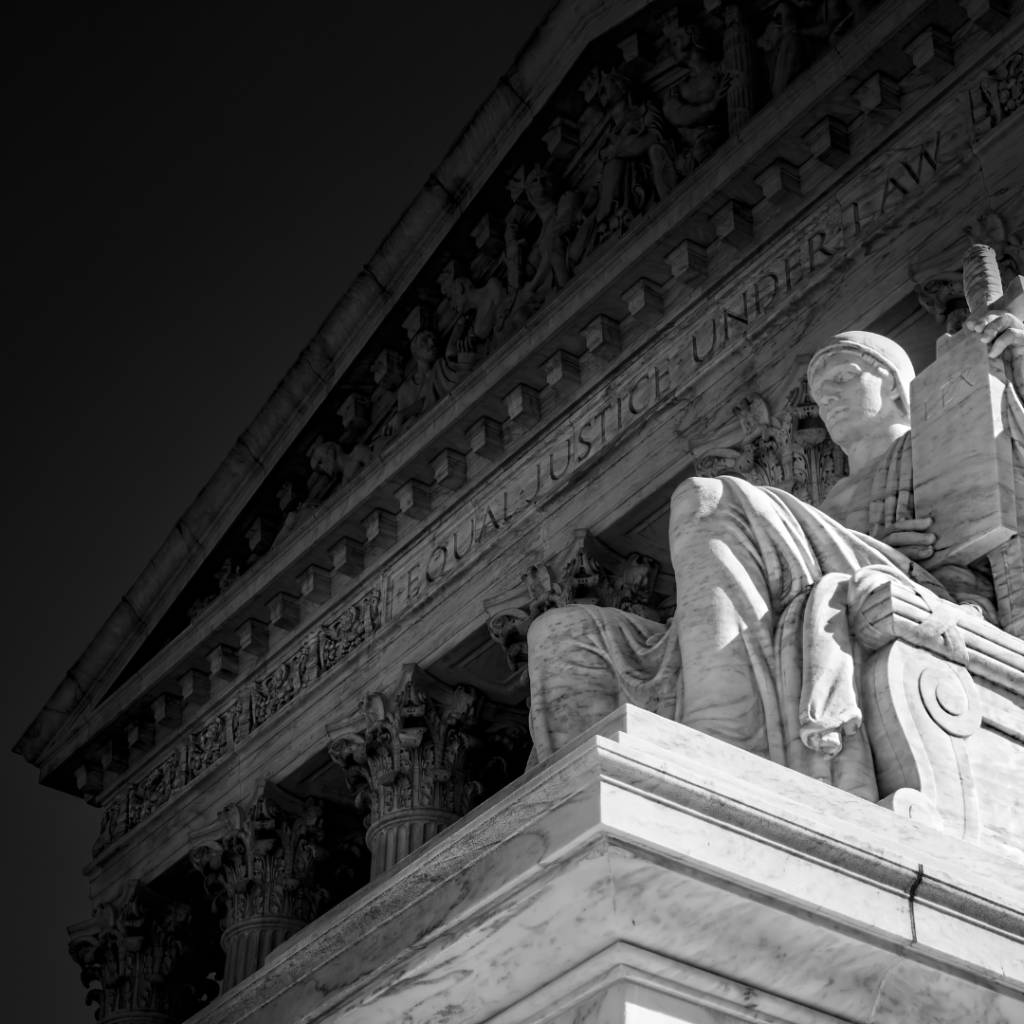
September 15, 2025 | JacobiJournal.com — Ameritas Life Insurance Corp. is pressing the Supreme Court of Georgia to rule that a controversial life insurance arrangement cannot be enforced, arguing the deal amounts to an illegal wager on human life. At the center of the dispute is an investor-backed life insurance policy that was later purchased by a trust, raising the question of whether such agreements violate Georgia’s long-standing prohibition on wagering contracts. Ameritas contends that allowing the trust to collect benefits would effectively transform life insurance into a speculative investment vehicle, undermining its intended role of providing financial security to families and policyholders. The case highlights broader concerns within the insurance industry about so-called “stranger-originated life insurance” (STOLI) policies, which regulators and courts nationwide have increasingly scrutinized for potential fraud and abuse. Insurer Challenges Investor-Backed Policy Ameritas contends that a trust holding the policy—purchased years after it was originally issued—has no legitimate right to collect death benefits. According to the insurer, such investor-driven transactions undermine the very purpose of life insurance, which is to provide financial security for families, not serve as a speculative investment vehicle. The company argues that allowing investors to profit from policies they never had an insurable interest in could open the door to widespread abuse of the insurance system. Regulators and industry groups have long warned that such practices distort the risk pool, drive up costs for legitimate policyholders, and erode public confidence in life insurance as a safety net. Ameritas maintains that if courts uphold these investor-backed arrangements, insurers may be forced to reevaluate underwriting practices and tighten compliance oversight to prevent similar disputes in the future. Stakes High for Life Settlement Industry The case is being closely watched in Georgia and beyond, as it could influence how courts treat investor-backed life settlement agreements. Industry experts warn that a ruling in favor of Ameritas could set a precedent that reshapes the market for secondary life insurance transactions. Legal observers note that these types of arrangements fall into the broader category of “stranger-originated life insurance” (STOLI), where third-party investors acquire policies with no insurable interest in the original policyholder. Courts across the country have wrestled with whether such contracts violate public policy by creating financial incentives tied to another person’s death. Ameritas argues that Georgia law, like many states, was designed to prevent such speculative practices, and the outcome of this case could set a pivotal precedent for how investor-backed life insurance is treated going forward. Broader National Trend Similar disputes have surfaced across the U.S., with insurers frequently challenging so-called “stranger-originated life insurance” (STOLI) policies. Courts have increasingly scrutinized these arrangements, questioning whether they violate long-standing public policy against wagering on human lives. In several states, high-profile rulings have either voided STOLI contracts outright or limited investors’ ability to enforce them, signaling a judicial shift toward stricter oversight. Regulators have also expressed concern that such practices could distort the life insurance market, inflating costs for policyholders who purchase coverage for legitimate family protection. Industry experts warn that unless clearer legal boundaries are established, these disputes will continue to surface, creating uncertainty for insurers, investors, and beneficiaries alike. What Comes Next in Georgia The Georgia Supreme Court’s decision will determine whether the trust may claim the policy’s benefits, or if the contract will be declared void as against public policy. A ruling is expected later this year and could have ripple effects for insurers, investors, and estate planners across the Southeast. Legal analysts note that the case could set a binding precedent in Georgia, influencing how courts in neighboring states approach similar investor-backed policies. A decision striking down the arrangement could embolden insurers to more aggressively challenge questionable policies, while a ruling in favor of the trust might encourage continued use of such structures in estate planning and investment circles. Either outcome is expected to draw close attention from financial advisors, policyholders, and lawmakers monitoring the balance between consumer protection and investment innovation in the life insurance market. For more context on life settlement regulation, visit National Association of Insurance Commissioners. FAQs: Ameritas Life Insurance Policy Georgia Ruling What is the core issue in the Ameritas case? Ameritas argues that the investor-backed life insurance policy is an illegal “wager on life” and should not be enforced. What is a STOLI policy? A STOLI, or stranger-originated life insurance policy, involves investors purchasing life insurance on strangers, often raising public policy concerns. Why does this case matter beyond Georgia? The ruling could influence national treatment of investor-backed life settlements, shaping future litigation and regulatory approaches. When is a decision expected? The Georgia Supreme Court is reviewing arguments now, with a ruling anticipated before the end of 2025. Subscribe to JacobiJournal.com for timely updates on insurance litigation and financial fraud cases. 🔎 Read More from JacobiJournal.com:
Second Circuit Orders Resentencing in $600M Medical Billing Fraud Case

September 12, 2025 | JacobiJournal.com — A federal appeals court has affirmed the conviction of a Long Island medical biller who orchestrated a $600 million medical billing fraud scheme but sent the case back to the trial court for resentencing. The ruling underscores the judiciary’s continued focus on accountability in one of the largest medical billing fraud cases ever prosecuted. Conviction Upheld, But Sentencing Reconsidered The Second Circuit panel ruled that the evidence of fraud was overwhelming, leaving no question about the defendant’s guilt. However, the court determined that errors in the original sentencing required the case to be remanded for further review. The decision leaves the conviction intact while opening the door for a new assessment of the punishment. $600 Million Fraud Scheme Detailed According to federal prosecutors, the biller submitted fraudulent insurance claims totaling hundreds of millions of dollars and went so far as to impersonate professional athletes, including an NBA player and NFL figures, to further the scheme. The elaborate fraud exploited weaknesses in the medical billing system, resulting in one of the largest recoveries ever pursued in a single case. Broader Implications for Health Care Fraud Enforcement Legal analysts say the ruling highlights the importance of strong sentencing procedures in health care fraud cases. It also reinforces the government’s aggressive stance against schemes that threaten the stability of insurance systems and increase costs for policyholders nationwide. With medical billing fraud continuing to rise, this case may set a standard for future prosecutions. For official documentation and case details, readers can review filings at the U.S. Court of Appeals for the Second Circuit. FAQs: $600M Medical Billing Fraud Case What was the fraud about? The defendant submitted fraudulent insurance claims worth approximately $600 million, using false identities and impersonations to support the scheme. What did the Second Circuit decide? The appeals court affirmed the conviction but remanded the case for resentencing due to procedural errors in the original judgment. Why is resentencing significant? It ensures sentencing procedures meet federal standards, giving the defendant a fair hearing while maintaining accountability for large-scale fraud. How does this affect future health care fraud cases? The ruling reinforces both the seriousness of medical billing fraud and the need for careful sentencing, likely influencing how future fraud prosecutions are handled. Stay informed on major insurance fraud and health care litigation by subscribing to JacobiJournal.com. 🔎 Read More from JacobiJournal.com:
Federal Court Dismisses Hurricane Maria Fraud Suit Against Insurance Adjuster
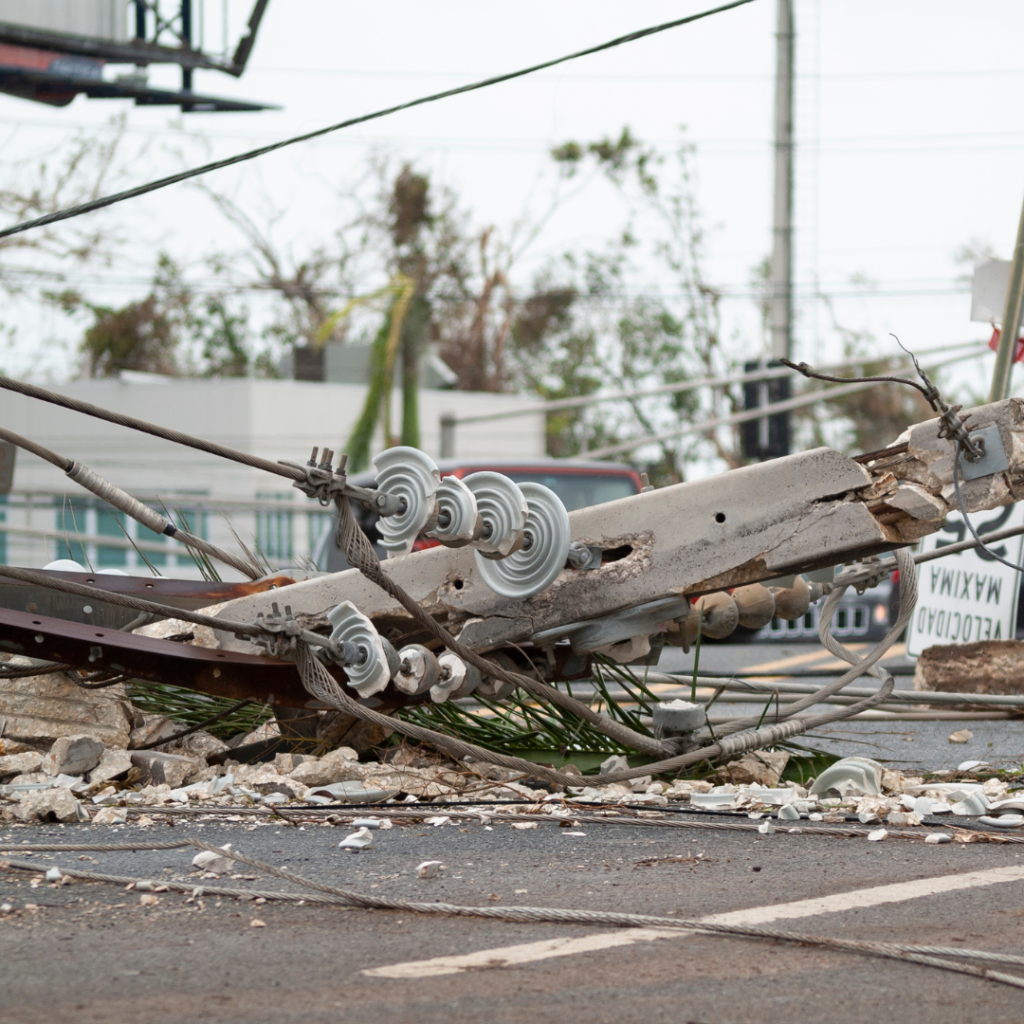
September 10, 2025 | JacobiJournal.com – A fraud suit filed by an insurer has been dismissed by a Puerto Rico federal judge, who ruled against allegations that a public adjuster inflated damage calculations related to Hurricane Maria. The case, which alleged insurance fraud in the aftermath of the 2017 storm, was thrown out after the court determined the claims were legally insufficient to proceed. The outcome of the fraud suit highlights the challenges insurers face when trying to prove exaggerated or false claims in court. Without clear evidence of intent, such fraud suits often fail to advance, signaling that judges will require a higher burden of proof in disaster-related insurance disputes. Court Rejects Insurer’s Allegations The insurer had argued that the public adjuster exaggerated the scale of storm-related damages suffered by a Puerto Rican municipality, seeking higher payouts than warranted. However, the federal court concluded that the evidence presented did not meet the threshold to prove fraudulent intent. The dismissal ends the litigation, at least for now, though appeals remain possible. Hurricane Maria’s Long Legal Aftermath Hurricane Maria caused catastrophic losses across Puerto Rico, leading to years of disputes between policyholders, municipalities, and insurers. Allegations of fraud, inflated claims, and delayed payouts have become a recurring theme in litigation tied to disaster recovery. This case highlights how courts are scrutinizing fraud claims while balancing the need to ensure fair compensation for storm victims. Broader Implications for Insurance Fraud Cases Legal analysts say the ruling underscores the difficulty insurers face in proving fraud against adjusters, particularly in the high-stakes context of natural disasters. With billions in claims tied to hurricanes and other catastrophic events, the decision could influence how insurers pursue similar cases in the future. For access to official case filings and federal court rulings, visit the U.S. District Court for the District of Puerto Rico. FAQs: Hurricane Maria Fraud Suit What was the lawsuit about? An insurer alleged that a public adjuster inflated damage estimates for a Puerto Rican town after Hurricane Maria, leading to excessive insurance claims. Why did the court dismiss the case? The judge ruled that the evidence did not sufficiently prove fraud or misrepresentation by the public adjuster. Does this ruling impact future insurance fraud suits? Yes. It highlights the challenges insurers face in proving fraud in disaster-related claims, potentially shaping strategies in future litigation. What does this mean for Hurricane Maria recovery claims? It reflects the ongoing complexity of resolving insurance disputes tied to the storm and shows that fraud claims require strong, verifiable evidence to succeed. Stay updated on insurance fraud litigation and public integrity cases by subscribing to JacobiJournal.com. 🔎 Read More from JacobiJournal.com:
Ex-Westminster Police Officer Charged with Insurance Fraud After Partying on Disability Leave

Former Westminster police officer charged with workers’ compensation fraud after being spotted partying and traveling during medical leave. Tracey Leong reports for NBC4 News at 11 p.m., May 20, 2025. Credit: NBC Los Angeles — https://www.nbclosangeles.com/ May 21, 2025 | JacobiJournal.com – A former Westminster police officer faces felony charges for allegedly committing insurance fraud and workers’ compensation fraud during her disability leave, the Orange County District Attorney’s Office announced. Nicole Brown, 39, from Riverside, faces nine felony counts for making false statements to receive compensation. She also faces six counts of fraudulent insurance claims. Prosecutors added a sentencing enhancement for aggravated white-collar crime involving over $100,000. Her stepfather, attorney Peter Gregory Schuman, 57, from Buena Park, also faces felony charges for filing fraudulent insurance claims and conspiring to commit illegal acts. Injury and Disability Insurance Fraud Allegations Brown injured her forehead while arresting a suspect in March 2022. An emergency room doctor treated her and cleared her to return to work. However, she later claimed a severe concussion and went on temporary disability leave, which is now at the center of the insurance fraud investigation initiated by the Orange County District Attorney’s Office. Evidence of Contradictory Activities During this time, Brown reportedly attended the Stagecoach Music Festival in April 2023 and was seen traveling and partying. Witnesses reported her dancing and drinking, contradicting her claims of severe symptoms. Investigators also found that Brown took part in two 5K races, snowboarded, skied, attended several soccer conferences, went to baseball games, played golf, and visited Disneyland. She also enrolled in online courses, despite complaining about screen sensitivity. Defense Statement Brown’s lawyer, Brian Gurwitz, said, “Ms. Brown suffered a debilitating head injury while on duty. She plans to vigorously challenge these allegations.” Legal Consequences and Next Steps The charges highlight increased scrutiny of workers’ compensation claims when claimants’ activities conflict with their reported injuries. Brown and Schuman face serious legal consequences if convicted. Stay updated with local crime and legal news from Orange County. FAQs: About Insurance Fraud and Disability Leave Abuse What qualifies as insurance fraud during disability leave? Insurance fraud occurs when an individual knowingly provides false or misleading information to receive disability benefits. In law enforcement or public service, this often includes exaggerating injuries or continuing to claim benefits after recovery. How do investigators detect insurance fraud in disability leave cases? Insurance fraud investigators often rely on surveillance footage, social media activity, medical record reviews, and witness testimony to identify discrepancies between a claimant’s reported injuries and actual behavior. In disability fraud cases, evidence of physical activity—like traveling or partying—while on leave can trigger prosecution. What are the legal consequences of committing insurance fraud while on leave? Penalties for insurance fraud may include felony charges, restitution orders, termination of employment, and loss of future benefits. In California, convicted individuals may also face imprisonment, fines, and professional disqualification. Subscribe to JacobiJournal.com for trusted updates on law enforcement misconduct, insurance fraud cases, and public integrity prosecutions across the U.S. 🔎 Read More from JacobiJournal.com:
Janitorial Services Owner Sentenced in $1.45M Fraud Case

April 24, 2025 | JacobiJournal.com — A janitorial services owner was sentenced to 270 days in county jail and two years of formal probation after pleading no contest to insurance fraud and tax evasion. The conviction underscores the growing scrutiny on small business operators in the cleaning and maintenance sector, where accurate payroll reporting and tax compliance are essential to fair competition. Martha Toro, who owns MT Janitorial Services, will also pay $1,454,130 in restitution, fines, and interest. Of that amount, Markel Insurance will receive $848,370 to cover the losses sustained through underreported payroll, while $605,760 will go to the Franchise Tax Board (FTB) for unpaid taxes. This case demonstrates how fraudulent conduct in the janitorial services industry can result in severe legal consequences and substantial financial penalties. Years of Payroll Fraud Exposed Janitorial Services Owner Sentenced: Investigators began looking into Toro’s business in February 2020 after Markel Insurance raised concerns. They discovered Toro had intentionally underreported her number of employees from 2013 to 2020 to lower her workers’ compensation premiums. This fraud caused Markel Insurance to lose over $800,000. Meanwhile, Toro also falsified her state tax returns from 2016 to 2020, avoiding hundreds of thousands in taxes. Investigators Respond Swiftly The California Department of Insurance (CDI) led the investigation with assistance from the Franchise Tax Board. Their coordinated efforts confirmed that Toro misrepresented payroll information year after year, creating a pattern of deception that significantly impacted the janitorial services sector. According to the CDI, underreporting payroll not only defrauds insurers but also endangers workers—especially if they are injured on the job without proper insurance coverage. In industries like janitorial services, where employees often face physical risks from cleaning chemicals, heavy equipment, and demanding schedules, the absence of adequate coverage can leave injured workers without medical support or wage replacement. This case highlights the importance of strict compliance and oversight in protecting both employees and the public. Tax Fraud Harms the Public Beyond insurance losses, Toro’s actions harmed California taxpayers. “Tax evasion threatens essential public services,” the FTB said. “By shutting down underground economic activity, we protect resources for education, healthcare, and infrastructure.” In this case, the fraudulent practices tied to the janitorial services industry not only deprived the state of critical tax revenue but also weakened the competitive landscape. When companies like MT Janitorial Services skirt tax laws, they avoid paying into the very systems that maintain public resources. Over time, these unethical actions can lead to reduced funding for community programs, strained government budgets, and diminished trust in local businesses. Fraud Creates Unfair Business Advantages Deputy District Attorney John MacKenzie, who prosecuted the case, highlighted how such fraud distorts the marketplace. “Toro gained an unfair edge by lowering her business costs illegally,” he said. “This hurts honest employers who follow the rules and puts customers at risk.” Because Toro’s business appeared cheaper, it won contracts at the expense of law-abiding competitors. Over time, this undermines trust and damages entire industries. Source: CDI FAQs: Janitorial Services Owner Fraud Case What led to the janitorial services owner being sentenced? Investigators found that the owner underreported payroll for years, defrauding an insurer and evading state taxes. How much did the janitorial services owner have to pay in restitution? The court ordered over $1.45 million in restitution, with payments to Markel Insurance and the California Franchise Tax Board. Why is payroll fraud harmful to honest businesses? It gives fraudulent companies an unfair cost advantage, undermining competitors who follow legal and ethical rules. Stay informed on workers’ comp fraud, employer violations, and legal enforcement by visiting JacobiJournal.com for weekly updates. 🔎 Read More from JacobiJournal.com: