Women Charged With Fraud After SUV Found in Mississippi River

April 8, 2025 | JacobiJournal.com — Women Charged With Fraud: A routine stolen vehicle report took a surprising turn on March 21, when authorities discovered a partly submerged SUV in the Mississippi River—the same one reported stolen just moments earlier. Suspicious Discovery in the Water After receiving the initial 911 call about the stolen Ford Expedition, a second call came in about a vehicle found in the river near a landing. Local responders, including the Warren County Sheriff’s Office, fire-rescue crews, and search teams, rushed to the scene. Using a skiff launched from a nearby boat, authorities conducted a thorough search. However, they found no one inside the SUV or in the surrounding waters, according to the Vicksburg Daily News. Fraud Uncovered Soon after, investigators confirmed that the submerged Ford Expedition belonged to Heather Kay McCoy, the woman who had reported it stolen. On April 1, law enforcement arrested McCoy and charged her with insurance fraud. Authorities also arrested Amber Spencer, whom they identified as an alleged accomplice. She was charged with conspiracy to commit a felony. Next Steps in the Case Although officials did not release details on how they quickly uncovered the fraud attempt, both women posted bail. The case is now pending a grand jury review, expected in the coming weeks. Learn more about how Mississippi investigates and prosecutes insurance fraud. FAQs: Women Charged With Fraud What happened in the case of the women charged with fraud in Mississippi? Authorities discovered a submerged SUV in the Mississippi River, leading to insurance fraud charges against two women. Who were the women charged with fraud, and what are the accusations? Heather Kay McCoy was charged with insurance fraud after reporting her own SUV stolen, while Amber Spencer was charged with conspiracy. What happens next in the women charged with fraud case? Both women posted bail, and the case is scheduled for grand jury review in the coming weeks. Stay updated on major fraud cases and accountability news. Subscribe to JacobiJournal.com for expert coverage of fraud, justice, and public integrity stories. 🔎 Read More from JacobiJournal.com:
Pennsylvania Woman Charged for Fraudulent Claim on TV

April 4, 2025 | JacobiJournal.com — Pennsylvania Woman Charged: A woman from Pennsylvania now faces insurance fraud charges after claiming wind damage to her barn, even though a reality TV crew had already taken it apart. TV Deal Leads to Investigation Tracey Jeffreys, 63, from the Milton area, initially struck a deal with the Discovery Channel’s “Barnwood Builders”. The show planned to dismantle her old barn and use the wood in a reconstruction project. However, after inspecting the structure in 2022, the crew found part of the wood was infested with powder post beetles. As a result, they decided to salvage only some usable sections, and Jeffreys received $20,000 for the materials. $100K Insurance Claim Raises Suspicions Soon after the transaction, Jeffreys submitted a $100,000 claim to Donegal Mutual Insurance, stating that strong winds had knocked down part of the barn. Yet, an insurance adjuster couldn’t verify that wind caused the damage. Weather Records and Witnesses Contradict the Claim Investigators then checked National Oceanic and Atmospheric Administration (NOAA) data. On the day of the supposed damage, wind speeds averaged just 7 mph, far too low to destroy a barn. In addition, neighbors reported seeing the TV crew take the structure apart. The show’s team also confirmed they had dismantled the barn as planned. Pennsylvania Woman Charged Jeffreys Tries to Backtrack When confronted, Jeffreys attempted to withdraw her claim. She claimed she had forgotten to tell the crew not to remove the section she now said was damaged by wind. The Pennsylvania Attorney General’s Office has charged her with insurance fraud, and she was released on bail. For readers who want to learn more about fraud enforcement in Pennsylvania, refer to the Pennsylvania Attorney General’s Insurance Fraud Section: Pennsylvania Attorney General – Insurance Fraud. FAQs: Pennsylvania Woman Charged in Insurance Fraud Why was the Pennsylvania woman charged with insurance fraud? She was charged after investigators discovered her $100K insurance claim conflicted with TV crew records and NOAA weather data. How did the TV show play a role in the case? The Discovery Channel’s Barnwood Builders dismantled her barn before the alleged storm, exposing her fraudulent claim. What evidence proved the Pennsylvania woman charged was lying? NOAA reports showed low wind speeds that day, and witnesses confirmed the TV crew—not a storm—removed the barn. What penalties could the Pennsylvania woman charged face? If convicted, she could face fines, restitution, and possible jail time under Pennsylvania’s insurance fraud laws. Stay informed about major fraud prosecutions and legal updates like this case. Subscribe to JacobiJournal.com for weekly fraud and law enforcement news. 🔎 Read More from JacobiJournal.com:
Iowa Man Gets 10 Years for Fake Rolex Theft Insurance Scam

April 2, 2025 | JacobiJournal.com — An Iowa resident has been sentenced to 10 years in prison for orchestrating a fake Rolex theft insurance scam. Bryce Douglas Murphy, 33, of Peosta, pleaded guilty to Insurance Fraud and Fraudulent Practice, both Class D felonies. His conviction followed an investigation by the Iowa Insurance Division’s Fraud Bureau, which uncovered a repeated pattern of false claims. Bryce Douglas Murphy, 33, of Peosta, pleaded guilty to Insurance Fraud and Fraudulent Practice, both Class D felonies. Investigators from the Iowa Insurance Division’s Fraud Bureau uncovered the scam, leading to his conviction. The Counterfeit Rolex Scheme Murphy reported that two Rolex watches were stolen from his hotel room while attending an NFL game, supporting the claim with falsified receipts and documents. Investigators later determined that the supposed luxury watches were counterfeit and that the paperwork had been forged. Further inquiry revealed that this was not Murphy’s first attempt. In 2019, he filed a nearly identical claim with a different insurer and fraudulently obtained nearly $10,000. This history of deception ultimately strengthened the case against him. Authorities arrested Murphy on June 12, 2023. Sentencing and Penalties After entering a guilty plea, Murphy was sentenced to 10 years in state prison and ordered to pay $2,395 in fines. Authorities noted that this sentence reflects Iowa’s commitment to deterring fraudulent insurance activity. The Iowa Insurance Division emphasized that insurance fraud increases costs for all consumers and that its Fraud Bureau will continue aggressively investigating similar cases. Why This Case Matters Cases like the fake Rolex theft scam highlight how fraud undermines trust in the insurance system. Law enforcement agencies across the U.S. are stepping up prosecutions of individuals attempting to profit from fraudulent schemes, especially those involving counterfeit luxury goods. Source: Iowa Insurance Division FAQs: Fake Rolex Theft What is a fake Rolex theft insurance scam? A fake Rolex theft scam occurs when someone files an insurance claim for luxury watches that are either counterfeit or never stolen, using fabricated receipts and false reports. What penalties did the Iowa man face for the fake Rolex theft scheme? He was sentenced to 10 years in prison and ordered to pay $2,395 in fines after pleading guilty to insurance fraud and fraudulent practice. How did investigators uncover the fake Rolex theft fraud? Authorities compared receipts, examined the watches’ authenticity, and discovered that Murphy had previously filed a nearly identical fraudulent claim in 2019. Why is insurance fraud involving fake Rolex thefts taken seriously? Such fraud drives up insurance costs for honest policyholders, damages insurer trust, and involves deliberate forgery and deception, making it a prosecutable felony. Stay updated on the latest fraud cases and legal actions. Subscribe to JacobiJournal.com for breaking updates and in-depth coverage. 🔎 Read More from JacobiJournal.com:
Florida’s Universal P&C Fined $4M for Inflated Hurricane Irma Claims

April 2, 2025 | JacobiJournal.com — Hurricane Irma Settlement: Florida’s Universal Property & Casualty Insurance Co. must pay a $4 million fine after a state investigation found the insurer submitted ineligible claims to Florida’s Hurricane Catastrophe Fund (Cat Fund). The settlement prevents Universal from collecting more than $30 million in disputed reimbursements tied to Hurricane Irma. Investigation and Settlement Florida Attorney General James Uthmeier announced the settlement on Tuesday, citing findings from a whistleblower lawsuit. Investigators discovered that Universal had backdated claims from Hurricane Irma in 2017 to increase reimbursements. “Insurance fraud harms Floridians, and this case ensures that the Cat Fund only pays for legitimate storm-related losses,” Uthmeier said. Universal, based in Fort Lauderdale, denied any wrongdoing. Company officials argued that the claims had gone through the Cat Fund’s standard review process over six years. “The Cat Fund conducts a thorough commutation process, evaluating loss data to determine final settlements,” Universal stated. “This process applies to all insurers and led to a mutual agreement.” Whistleblower Lawsuit and Legal Costs A former Universal employee filed the whistleblower lawsuit in 2020, two years after leaving the company. Universal claimed the whistleblower misunderstood reporting procedures, leading to inaccurate allegations. The lawsuit, filed in Leon County, remains sealed. Florida’s Universal P&C Fined Under the settlement terms, Universal must pay $6.5 million, which includes $2.4 million in attorney fees. Universal’s Chief Strategy Officer, Arash Soleimani, framed the settlement as a mutual decision to dismiss the case and move forward. Industry Reactions and Market Impact Gina Wilson, the Cat Fund’s chief operating officer, did not comment on the settlement. However, industry insiders acknowledged that such claim adjustments are rare but not unheard of. Universal, one of Florida’s largest property insurers, explained that post-hurricane claim assessments often evolve. “Over time, insurers gain more information about losses,” Universal stated. “Some claims initially linked to hurricanes may later be classified as unrelated, while others previously omitted may be added.” The company reassessed about 1% of its Hurricane Irma claims before and during the commutation process. The storm remains Universal’s largest single loss event, with total costs rising from an initial $450 million estimate to more than $2 billion. Universal Moves Forward With the case now closed, Universal’s CEO, Stephen Donaghy, emphasized the company’s commitment to Florida policyholders. “We are pleased this review has concluded, and the state has dismissed the case,” Donaghy said. “As market reforms take effect, we look forward to providing more affordable home insurance options for consumers.” Despite the settlement, Universal Insurance Holdings’ stock remained near a five-year high, showing minimal impact from the announcement. For further details, see the Florida Attorney General’s Office announcement on insurance fraud enforcement. FAQs: Hurricane Irma Insurance Fine Why was Universal P&C fined over Hurricane Irma claims? Universal was fined $4M after investigators found the insurer had backdated Hurricane Irma claims to inflate reimbursements from Florida’s Cat Fund. How much did Hurricane Irma ultimately cost Universal P&C? Hurricane Irma remains Universal’s largest loss event, with costs exceeding $2 billion, far above the initial $450 million estimate. What role did the whistleblower lawsuit play in the Hurricane Irma settlement? A former Universal employee filed the whistleblower lawsuit, alleging the company misreported Hurricane Irma claims, leading to the state’s investigation. How does the Hurricane Irma case affect Florida homeowners today? The settlement ensures the Cat Fund pays only for legitimate Hurricane Irma claims, helping stabilize the insurance market and protect policyholders. Stay informed on major fraud cases and insurance industry updates. Subscribe to JacobiJournal.com for expert coverage delivered straight to your inbox. 🔎 Read More from JacobiJournal.com:
Public Adjuster Pleads Guilty to Defrauding Church After Hurricane

April 1, 2025 | JacobiJournal.com — Public Adjuster pleads Guilty: Andrew Aga, a public adjuster already serving time for defrauding Louisiana and Texas residents, pleaded guilty last week to defrauding Brotherhood Mutual Insurance Co. and a Georgia church. He stole millions after Hurricane Michael struck in 2018. The Fraudulent Scheme Aga, also known as Andrew Mitchell, defrauded Friendship Missionary Baptist Church in Albany, Georgia. The hurricane caused extensive damage, and Brotherhood Mutual Insurance paid the church $183,208 for repairs. A few days later, Aga and a construction company arrived, offering to maximize the settlement. Aga, affiliated with various companies like Loss Consultants of Texas and Mitchell Adjusting International, convinced Brotherhood Mutual to send him over $6 million. He forged the church leaders’ signatures and kept a portion of the funds, forwarding only about one-third to the church. Public Adjuster Pleads Guilty Background and Previous Convictions Aga, from Kemah, Texas, had a history of fraudulent schemes. He targeted homeowners, churches, and others across Louisiana and Texas, stealing millions. In 2023, he received a 20-year prison sentence for previous scams. Aga also left much of the church’s repair work unfinished. When the church questioned him, he falsely claimed the insurance company had withheld payments. Legal Consequences As part of his plea agreement in Georgia federal court, Aga faces up to 30 years in prison, restitution, and a $1 million fine. A Shocking Betrayal Acting U.S. Attorney Shanelle Booker expressed shock at the betrayal, particularly targeting a place of worship in the aftermath of a disaster. “The congregation trusted the defendant to help them repair their historic facility,” she said. The Role of the Georgia Insurance Commissioner Georgia Insurance Commissioner John King criticized Aga for exploiting victims already struggling with Hurricane Michael’s aftermath. Investigators held Aga accountable, ensuring justice for the church. Aga’s License and Final Words Aga, listed as a non-resident public adjuster in Georgia, had his license expire in 2022. Despite his criminal activities, he continued operating until authorities convicted him. Source: Full Article by The Insurance Journal FAQs: Public Adjuster Pleads Guilty Why did the public adjuster plead guilty in Georgia? He admitted to defrauding Brotherhood Mutual Insurance and a Georgia church after Hurricane Michael by forging documents and misusing funds. How much money was involved when the public adjuster pled guilty? The scheme involved over $6 million, with the church only receiving about one-third of the insurance settlement. What penalties does the public adjuster face after pleading guilty? He faces up to 30 years in federal prison, restitution payments, and a $1 million fine. Did the public adjuster who pled guilty have prior convictions? Yes, he previously received a 20-year sentence in 2023 for defrauding residents in Louisiana and Texas. Stay informed on insurance fraud cases and public corruption updates — subscribe to JacobiJournal.com today. 🔎 Read More from JacobiJournal.com:
Texas Man Sentenced to 13 Years for $5M Insurance Fraud

February 24, 2025 | JacobiJournal.com — Texas Man Sentenced: A Texas man, Jordan Ford, 32, will serve more than 13 years in prison for leading a $5 million insurance fraud scheme. The U.S. Attorney’s Office for the Northern District of Texas announced the sentencing last week. The court emphasized that Ford’s leadership role and the scale of the scheme warranted a lengthy prison term, noting that the conspiracy not only caused substantial financial losses but also eroded trust within the insurance industry. Prosecutors highlighted how the coordinated effort, involving multiple insiders at insurance companies, demonstrated a sophisticated operation that required a strong sentence to deter similar fraud cases in the future. Fraud Scheme and Sentencing Ford pleaded guilty in September 2024 to conspiracy to commit wire fraud after being charged in June. On Thursday, U.S. District Judge Mark Pittman sentenced him to 157 months in prison and ordered him to pay $4.47 million in restitution to the defrauded insurance companies. How the Scheme Worked Texas Man Sentenced: Ford and his co-conspirators recruited insurance company employees to steal client information from legitimate claims. These employees provided confidential details, which Ford then used to pose as clients. He contacted insurance companies, requested payment updates, and directed funds to accounts controlled by his team. In some cases, he paid employees to loan him their company-issued laptops. Once inside the system, Ford authorized fraudulent payments to his group’s accounts. In total, the scheme stole more than $4.4 million from at least three insurance companies. Others Involved and Guilty Pleas All nine defendants have pleaded guilty, including: Investigation and Prosecution The FBI’s Dallas Field Office and the Texas Department of Insurance led the investigation. Assistant U.S. Attorney Matthew Weybrecht prosecuted the case. Authorities explained that the case required extensive forensic review of financial records, system access logs, and internal communications to uncover the scope of the insurance fraud scheme. Investigators worked closely with affected companies to trace how stolen client information was exploited and to identify fraudulent transactions that spanned multiple states. Read the full U.S. Attorney’s Office statement here. FAQs: Insurance Fraud Scheme What was the insurance fraud scheme led by Jordan Ford? Jordan Ford orchestrated an insurance fraud scheme by recruiting company employees to steal client data and divert funds to accounts controlled by his group. How much money was stolen in the insurance fraud scheme? The insurance fraud scheme stole more than $4.4 million from at least three insurance companies, according to federal prosecutors. Who else was involved in the insurance fraud scheme? Eight co-conspirators, including Humberto Corona, Jaquan Hall, and several insurance employees, pleaded guilty for their roles in the insurance fraud scheme. Which agencies investigated the insurance fraud scheme? The FBI’s Dallas Field Office and the Texas Department of Insurance led the investigation into the multi-million-dollar insurance fraud scheme. How did the insurance fraud scheme impact the companies involved? The insurance fraud scheme forced affected companies to tighten internal security protocols, increase monitoring of employee access, and invest in stronger fraud prevention systems. What lessons can be learned from this insurance fraud scheme? This case highlights the risks of insider threats within the insurance industry and underscores the importance of employee oversight, cybersecurity measures, and strict compliance training. What amount of fraud is a felony in Texas? In Texas, fraud becomes a felony when the amount involved exceeds $2,500. Cases like Jordan Ford’s $5 million insurance fraud scheme are considered first-degree felonies, which carry severe prison sentences and substantial restitution obligations. What is first-degree insurance fraud? First-degree insurance fraud in Texas refers to cases where the fraud involves amounts exceeding $1 million, or where the scheme shows significant planning and involvement of multiple people. These cases, such as the multi-million-dollar scheme led by Jordan Ford, carry the harshest penalties, including long prison terms and full restitution. Stay informed on major financial crime cases, fraud prosecutions, and compliance updates. Subscribe to JacobiJournal.com today for expert coverage and in-depth reporting on insurance fraud and public integrity cases. 🔎 Read More from JacobiJournal.com:
Philadelphia Man Admits to Stealing Deceased Classmate’s Identity for Fraudulent Schemes

February 12, 2025 | JacobiJournal.com — Stealing Deceased Classmate’s Identity: A Philadelphia man has pleaded guilty to multiple felony charges after authorities discovered he had stolen the identity of a deceased classmate and used it to commit fraud. Attorney General Dave Sunday announced that Anthony Percell admitted to identity theft, insurance fraud, theft by deception, and forgery in Philadelphia County Court. Cases involving stolen identities of deceased individuals are particularly troubling because they often go undetected for years. Experts note that criminals exploit gaps in death records and reporting systems, making it easier to assume a false identity without immediate suspicion. This form of identity theft not only deceives institutions but also causes additional pain for families of the deceased, who may face unexpected legal or financial complications when the fraud is uncovered. Decades-Old Identity Theft Uncovered Investigators found that Percell had assumed the identity of a former classmate who died in 1986. He used the stolen information to obtain a driver’s license, register a vehicle, apply for a concealed carry firearms permit, and secure insurance. In a more elaborate scheme, he even filed a fraudulent workers’ compensation claim under the deceased individual’s name. Percell’s crimes extended beyond state violations. Federal prosecutors also charged him for using the false identity to obtain a U.S. passport and gain airport access—both serious offenses that raised national security concerns. Sentencing and Legal Consequences Under a plea agreement, Percell will serve a prison sentence ranging from six to 23 months, followed by seven years of probation. Additionally, he is permanently barred from using anyone else’s identity for any reason. The court also ordered him to forfeit all assets and documents obtained through fraud. Attorney General Sunday condemned the scheme, emphasizing its potential risks: “This defendant brazenly stole the identity of a classmate who died decades ago and used that information to apply for a concealed firearms permit and other privileges, potentially putting the public at risk.” A Warning on Identity Theft and Fraud Cases like this highlight the dangers of identity theft, especially when used to commit multiple forms of fraud. Law enforcement agencies continue to crack down on individuals who manipulate personal information for financial and legal gain. For consumers, the risks go beyond financial loss. Identity theft can damage credit scores, delay loan approvals, and even create legal complications if stolen information is tied to criminal activity. Experts recommend monitoring credit reports regularly, safeguarding personal documents, and reporting suspicious activity immediately to reduce exposure to fraud. Read the full report from the Pennsylvania Attorney General’s Office. FAQs: About the Philadelphia Identity Theft Case What did investigators uncover in this Philadelphia identity theft case? They discovered the man had stolen the identity of a classmate who died in 1986, using it to commit fraud and obtain official documents. How was identity theft connected to insurance fraud in this case? The defendant used the stolen identity to secure insurance and even filed a fraudulent workers’ compensation claim. What legal consequences follow identity theft convictions like this one? In this case, the plea deal included a prison term of six to 23 months, probation, and a permanent ban on using another person’s identity. Why is identity theft considered a serious crime? It undermines public safety, increases financial risks, and can even raise national security concerns when used to obtain documents like passports. What happens if someone steals the identity of a deceased person? Stealing the identity of a deceased individual is a serious crime. It can be used to commit fraud, open accounts, or obtain official documents, and may result in criminal charges including identity theft, forgery, and fraud. Families of the deceased may also face legal or financial complications. What is the penalty for identity theft in PA? In Pennsylvania, identity theft can carry felony charges. Penalties may include prison time, probation, fines, and restitution. In this case, the defendant received six to 23 months in prison and seven years of probation, along with a permanent ban on using anyone else’s identity. Stay informed on breaking legal cases and fraud investigations. Subscribe to JacobiJournal.com for trusted updates. 🔎 Read More from JacobiJournal.com:
Texas Drywall Company Owner Indicted for Workers’ Compensation Fraud
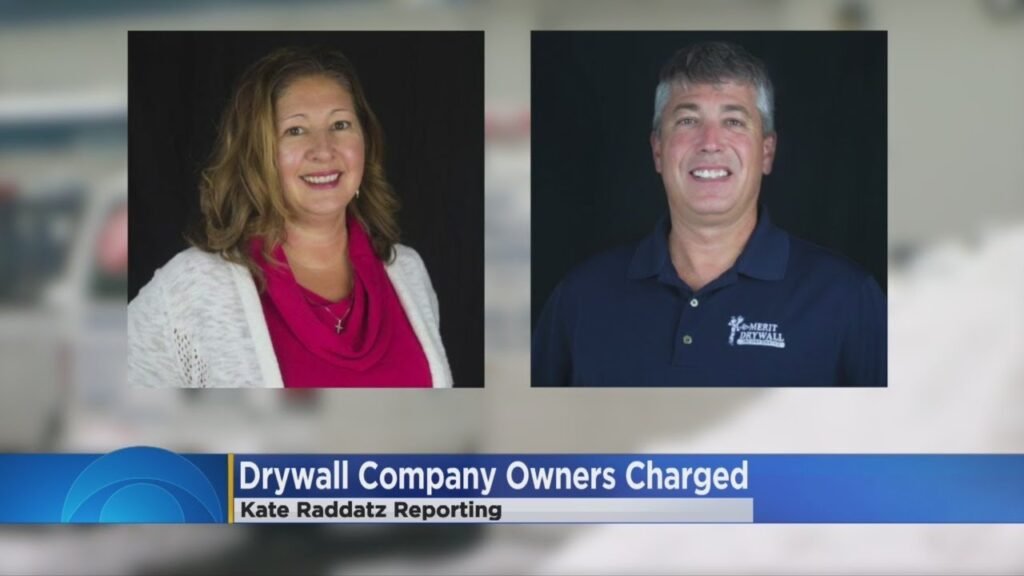
January 15, 2025 | JacobiJournal.com — Compensation fraud charges have been filed against Cristino Tapia Castaneda, the owner of Texana Drywall Construction in Texas. He is scheduled to appear in Travis County District Court on February 12 to face three counts of fraud totaling $170,000, according to the Texas Department of Insurance Division of Workers’ Compensation (DWC). Charges Against Castaneda and Texana Drywall Construction In November, a grand jury indicted Castaneda on charges of Securing Execution of Document by Deception, a second-degree felony. Additionally, Texana Drywall Construction faces accusations of Insurance Fraud and Fraudulently Obtaining Worker’s Compensation Coverage, both classified as state jail felonies. Texas Drywall Company Owner Allegations and Investigation Findings The DWC’s Compensation Fraud Unit conducted a detailed investigation, revealing that Castaneda and his company allegedly misled multiple workers’ compensation insurance providers. They reportedly secured coverage for large, high-profile construction projects in Austin through deceptive means. Furthermore, the investigation uncovered that Castaneda falsified payroll information to significantly reduce the premiums his company had to pay. Insurance Providers Affected These fraudulent activities impacted major insurance carriers, including Texas Mutual and National Specialty Insurance, as reported by the DWC. The insurers were deceived by the manipulated information provided by Castaneda and his company. For full coverage, see the Business Insurance. FAQs: Texas Drywall Company Workers’ Compensation Fraud What is this workers’ compensation fraud case about? It involves allegations that Texana Drywall Construction and its owner falsified payroll and misled insurers to reduce premium costs. What charges were filed against the drywall company owner? Cristino Castaneda faces three felony counts, including securing execution of a document by deception and insurance fraud. Which insurance providers were impacted by the scheme? The fraud affected major carriers such as Texas Mutual and National Specialty Insurance, according to the Texas Department of Insurance. When is the court hearing scheduled? Castaneda is set to appear in Travis County District Court on February 12, 2025. How do I report workers’ compensation fraud in Texas? Workers’ compensation fraud in Texas can be reported to the Texas Department of Insurance, Division of Workers’ Compensation (DWC), either online, by phone, or via mail. The DWC investigates suspected fraud by employers, employees, or third parties. What is a possible consequence of filing a false workers’ compensation claim? Filing a false workers’ compensation claim can result in criminal charges, fines, restitution, and potential jail or prison time, depending on the severity of the fraud. Employers found committing fraud, like in this case, can face felony charges and significant financial penalties. Stay informed on corporate crime, insurance fraud, and legal accountability. Subscribe to JacobiJournal.com for expert reporting on workers’ compensation fraud cases and enforcement updates. 🔎 Read More from JacobiJournal.com:
Vermont Man Charged With Arson and Insurance Fraud Following House Fire

January 2, 2025 | JacobiJournal.com — A Stamford, Vermont, resident now faces charges of first-degree arson and insurance fraud after allegedly setting his own home on fire. The incident happened on the morning of December 27, when the Stamford Fire Department responded to a fire on Mill Road. Authorities emphasized that arson cases linked to financial gain, such as insurance fraud, create ripple effects beyond the immediate damage to property. They place firefighters and nearby residents at serious risk, strain emergency response resources, and undermine confidence in the insurance system. Legal analysts note that Vermont prosecutors often pursue these cases aggressively, given the potential for both public harm and fraudulent financial loss. Firefighters’ Initial Response When crews arrived, they observed heavy black smoke coming from the eaves of the house and a smoke-filled first floor. Flames were already visible at the base of walls on both sides of the staircase. Despite the fire’s intensity, firefighters managed to save the structure. Fire officials later reported that the rapid containment of the blaze prevented it from spreading to nearby homes, a critical outcome in the densely wooded area of Mill Road. Responders also credited coordinated mutual aid protocols, which ensured additional crews and equipment arrived quickly to support Stamford firefighters. Their swift actions not only preserved the residence but also minimized potential injuries and broader community impact. Investigation Uncovers Intentional Fire Stamford Fire Chief Paul Ethier requested assistance from the Vermont Department of Public Safety’s Fire & Explosion Investigation Unit to determine the fire’s cause and origin. Investigators soon concluded that someone had intentionally set the fire. Additional evidence quickly pointed to Joseph Pallas, the homeowner, as the person responsible for starting the blaze. Investigators noted that the physical evidence inside the home was consistent with patterns commonly seen in arson-for-profit schemes, including fire starting points in unusual locations and accelerant indicators. Combined with discrepancies in the homeowner’s statements and financial records, the findings strengthened the case for both arson and insurance fraud charges. Authorities emphasized that pursuing these dual offenses is critical, as fraudulent insurance claims not only endanger public safety but also drive up costs across the industry. Legal Proceedings and Charges On December 30, Vermont State Police issued Pallas a citation for first-degree arson and insurance fraud. He is scheduled to appear in February for arraignment in the criminal division of Vermont Superior Court in Bennington. The affidavit of probable cause, which details the evidence leading to these charges, will become public following the arraignment. Legal experts note that cases involving arson and insurance fraud are often closely scrutinized because they combine both criminal intent and financial deception. If convicted, defendants may face lengthy prison sentences, restitution orders, and lasting damage to their credibility, particularly in insurance-related matters. Prosecutors in Vermont have highlighted that pursuing these offenses aggressively helps deter future fraud and reinforces public confidence in the justice system. Wider Legal and Community Impact This case underscores how crimes like arson combined with insurance fraud extend beyond individual wrongdoing. Such acts threaten public safety by putting firefighters and neighbors at risk, while also straining community resources and increasing costs for honest policyholders. Legal experts note that prosecutions of this kind serve as a warning that fraudulent claims tied to criminal acts carry severe consequences, including prison time and long-term financial penalties. Beyond the immediate case, officials warn that arson and insurance fraud can erode trust in both emergency response systems and financial institutions. When individuals exploit these services for personal gain, communities bear the hidden costs through increased premiums, diverted resources, and heightened risks to public safety. Addressing these crimes effectively requires coordination between law enforcement, insurers, and regulators to ensure accountability and protect consumers. For more background on insurance fraud and arson cases, visit the National Association of Insurance Commissioners (NAIC), which provides resources on fraud prevention and consumer protection. FAQs: Vermont Arson and Insurance Fraud What charges were filed in this Vermont case? Homeowner Joseph Pallas faces first-degree arson and insurance fraud charges after authorities determined the fire at his Stamford residence was intentionally set. Why are arson and insurance fraud treated so seriously? Both crimes pose threats to public safety, put first responders at risk, and drive up costs for insurers and policyholders. When is the court hearing scheduled? Pallas is expected to appear in February for arraignment at Vermont Superior Court in Bennington, where the affidavit of probable cause will be made public. How are arson and insurance-related fraud investigations conducted in Vermont? Local fire departments typically coordinate with the Vermont Department of Public Safety’s Fire & Explosion Investigation Unit to uncover the cause and origin of suspicious fires. What is the difference between arson and insurance fraud? Arson is the criminal act of intentionally setting fire to property. Insurance fraud occurs when someone makes a false or misleading claim to collect insurance benefits. When a person sets their own home on fire to obtain a payout, they may face both arson and insurance fraud charges. Stay informed on breaking cases involving fraud, public safety, and financial crime. Subscribe to JacobiJournal.com for ongoing updates and expert legal analysis. 🔎 Read More from JacobiJournal.com:
California Vocational School CEO Faces 23 Felony Charges for Insurance Fraud

December 24, 2024 | JacobiJournal.com — California Vocational School CEO: Hazel Ortega, the CEO of one of California’s largest vocational return-to-work counselling centers, is facing 23 felony charges, including insurance fraud, theft, and forgery. Ortega, 53, who resides in La Habra, appeared in court this week after a California Department of Insurance (CDI) investigation uncovered evidence of her alleged fraudulent activities. The case has drawn significant attention from both state regulators and industry experts, as it underscores growing concerns about fraudulent practices within vocational rehabilitation services. Authorities noted that misuse of the Supplemental Job Displacement Benefit program not only defrauds insurers but also deprives injured workers of legitimate opportunities for retraining and reemployment. Legal analysts suggest the outcome of Ortega’s prosecution could influence future oversight and compliance standards for vocational counselling centers across California. Allegations of Forgery and Coercion The CDI launched its investigation following complaints from insurers who accused Ortega of defrauding at least four insurance companies. According to the allegations, Ortega forged documents on behalf of injured workers without their knowledge or consent. Her business, Ortega Counseling Center, reportedly referred injured workers to unapproved schools ineligible to receive voucher funds through California’s Supplemental Job Displacement Benefit (SJDB) program. The SJDB program provides financial assistance of $6,000 to $10,000 for injured workers seeking educational retraining or skill enhancement. To qualify, workers must use the funds at state-approved or accredited institutions. Ortega, however, pressured injured workers to attend unapproved schools and failed to inform them of alternative, eligible options. Detectives interviewed injured workers who had SJDB and vocational counselling invoices submitted by Ortega. These workers revealed they never saw or reviewed the forms Ortega submitted to insurers on their behalf. A History of Fraudulent Schemes This is not the first time Ortega has faced legal trouble. She was previously charged in Los Angeles County for her role in a separate insurance fraud scheme that reportedly netted nearly $1 million. Investigators allege that Ortega, along with other vocational counsellors, received approximately $500,000 in illegal kickbacks for referring injured workers to a fraudulent school in the Los Angeles area. The Los Angeles County District Attorney’s Office is currently prosecuting Ortega’s case. If convicted, she could face significant penalties, including restitution to defrauded insurers and potential prison time. Broader Implications for Injured Workers This case highlights critical vulnerabilities within programs designed to assist injured workers. Fraudulent activities like those alleged against Ortega undermine the integrity of vital benefits, leaving already vulnerable individuals without the support they need to return to work. For official details on ongoing fraud prosecutions, visit the California Department of Insurance press releases. FAQs: California Vocational School CEO What charges does the California Vocational School CEO face? The California Vocational School CEO, Hazel Ortega, faces 23 felony charges including insurance fraud, theft, and forgery. How did the California Vocational School CEO allegedly commit insurance fraud? Investigators allege the California Vocational School CEO forged documents and coerced injured workers into unapproved schools to misuse voucher funds. What role does the SJDB program play in the California Vocational School CEO case? The SJDB program provides retraining benefits, but prosecutors allege the California Vocational School CEO misdirected workers to ineligible schools. Has the California Vocational School CEO faced fraud charges before? Yes, the California Vocational School CEO was previously linked to another fraud scheme in Los Angeles County that involved nearly $1 million in losses. Is insurance fraud a felony in California? Yes, insurance fraud can be charged as a felony in California, particularly when it involves large financial losses, forged documents, or repeated fraudulent schemes, as in the case of Hazel Ortega. What are the consequences of insurance fraud? Consequences may include criminal charges, prison time, restitution to defrauded insurers, fines, and professional sanctions. Felony convictions, like those alleged against Ortega, can also carry long-term legal and financial repercussions. Is insurance fraud a major crime? Yes, insurance fraud is considered a major crime because it affects insurers, policyholders, and public trust. Large-scale or repeated fraud can lead to severe penalties and increased regulatory oversight. Stay ahead of the latest fraud and workers’ compensation cases—subscribe to JacobiJournal.com for breaking news, expert analysis, and legal insights. 🔎 Read More from JacobiJournal.com: