Insurance Fraud Alert: California Cracks Down on Staged Collision Ring 2026
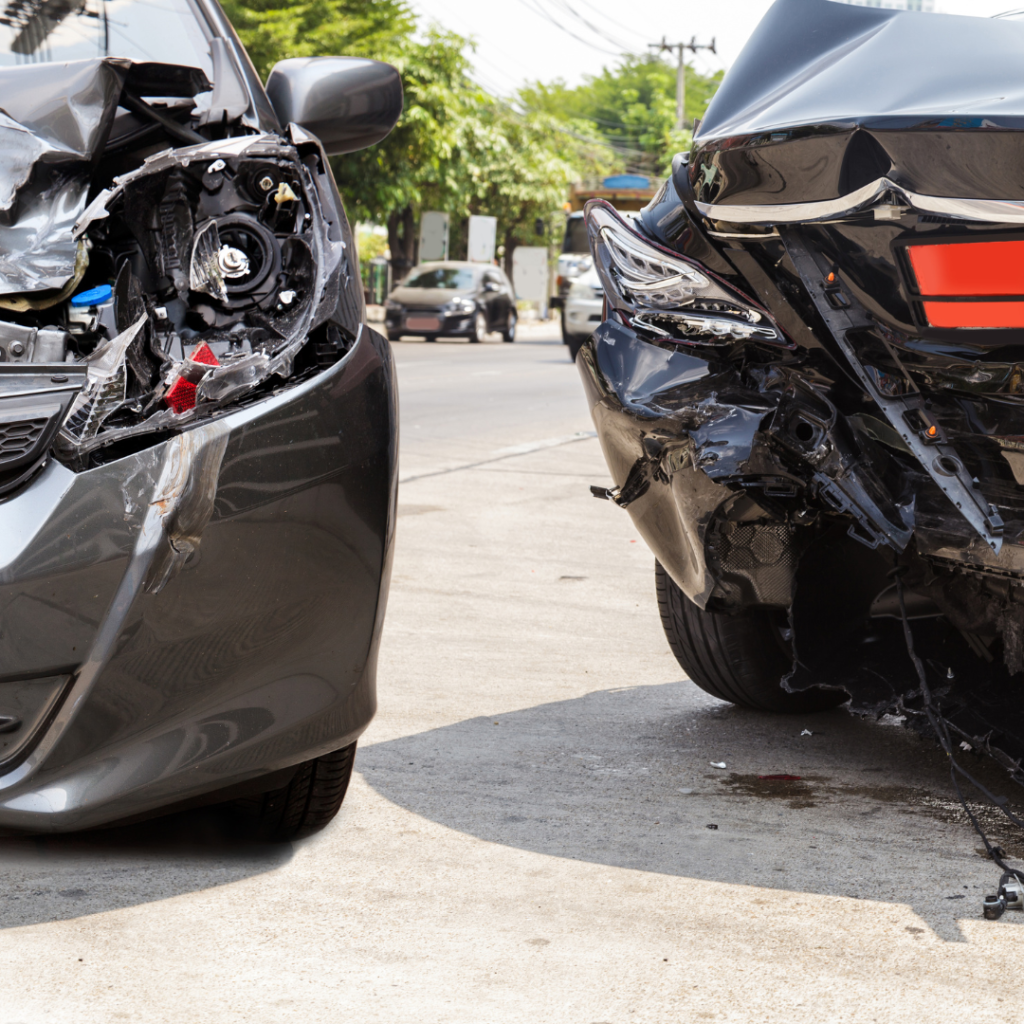
July 27, 2026 | JacobiJournal.com — California authorities continue intensifying insurance fraud enforcement after prosecutors charged four Southern California defendants in connection with an alleged staged automobile collision scheme designed to obtain fraudulent insurance benefits. According to the California Department of Insurance, investigators believe the defendants intentionally caused vehicle crashes, submitted insurance claims, and sought medical treatment to support alleged injury claims associated with the staged incidents. The investigation demonstrates how organized insurance fraud schemes can extend beyond false vehicle damage claims. Authorities allege the defendants attempted to strengthen insurance claims by obtaining medical treatment after the collisions, creating documentation that investigators contend was intended to support bodily injury claims and increase insurance payouts. Prosecutors further allege that one of the staged crashes involved an innocent motorist who was not connected to the scheme. California officials emphasize that staged collisions create risks extending far beyond financial losses. Innocent motorists may suffer physical injuries, emotional distress, vehicle damage, increased insurance premiums, and lengthy claim disputes while law enforcement agencies devote significant resources to investigating organized criminal activity targeting insurance companies. How Investigators Uncovered the Alleged Staged Collision Scheme According to the California Department of Insurance, the investigation began after the Upland Police Department reported multiple suspicious traffic collisions to the Inland Empire Automobile Insurance Fraud Task Force. Officers observed similarities among several crashes that raised concerns the incidents may have been intentionally arranged rather than accidental. The task force conducted a detailed investigation involving the California Department of Insurance, the California Highway Patrol, the San Bernardino County District Attorney’s Office, and the Riverside County District Attorney’s Office. Detectives reviewed police reports, witness statements, insurance claim records, and other evidence to determine whether the collisions were connected. Authorities ultimately concluded there was sufficient evidence to allege that several crashes had been deliberately orchestrated for financial gain. The investigation resulted in felony charges against four Southern California defendants, although each defendant remains presumed innocent unless proven guilty in court. What Prosecutors Allege Happened During the Collisions Investigators allege that the defendants intentionally crashed into one another during separate incidents in San Bernardino County while later presenting the collisions as legitimate traffic accidents. Authorities contend the alleged scheme was designed to generate insurance fraud claims for vehicle damage, bodily injuries, and related insurance benefits. According to prosecutors, one alleged collision occurred in Upland during June 2025 when two vehicles occupied by the defendants intentionally struck each other. Detectives allege everyone involved later sought medical treatment after the collision in an effort to support injury claims and increase insurance compensation. Investigators also allege that an earlier collision in Montclair targeted an unsuspecting motorist who had no connection to the alleged scheme. California officials state that staged collisions become especially dangerous when innocent drivers unknowingly become victims of organized insurance fraud operations. Why Fake Injury Claims Increase the Severity of Insurance Fraud Cases Authorities allege that seeking unnecessary medical treatment after staged crashes can significantly increase the financial impact of insurance fraud investigations. Bodily injury claims often involve medical evaluations, diagnostic testing, rehabilitation services, prescription medications, wage-loss benefits, and other insurance payments that substantially exceed the cost of vehicle repairs alone. Investigators believe fraudulent injury claims also consume valuable healthcare resources while creating additional burdens for insurers, medical providers, and claims professionals responsible for evaluating legitimate accident victims. Each allegedly fraudulent claim requires extensive review before insurers can determine whether benefits should be paid. California regulators continue emphasizing that fraudulent injury claims can have consequences beyond insurance losses. Staged collisions expose emergency responders, medical professionals, and innocent motorists to unnecessary risks while diverting investigative resources away from legitimate public safety concerns. How Multi-Agency Cooperation Strengthened the Investigation The Inland Empire Automobile Insurance Fraud Task Force played a central role throughout the investigation by coordinating resources among multiple law enforcement agencies. Detectives combined accident reconstruction, insurance claim analysis, surveillance evidence, and witness interviews to evaluate whether the reported crashes were consistent with legitimate traffic collisions. The investigation also benefited from cooperation between local police departments, prosecutors, insurance investigators, and state fraud specialists. This collaborative approach allowed authorities to compare evidence from multiple incidents while identifying alleged relationships among the defendants. California officials continue relying on multi-agency partnerships to combat increasingly sophisticated insurance fraud schemes involving organized criminal activity. By sharing investigative resources and financial evidence, agencies improve their ability to identify staged collision networks before additional fraudulent claims are submitted. How Staged Collision Schemes Affect Honest Drivers Staged collision investigations extend far beyond the insurance companies that receive fraudulent claims. California officials warn that innocent motorists can become unintended victims when organized groups intentionally create traffic crashes to generate insurance payouts. These individuals may suffer physical injuries, emotional trauma, property damage, increased insurance premiums, and lengthy claims disputes despite having no involvement in the alleged scheme. The California Department of Insurance noted that investigators believe one of the alleged staged collisions deliberately targeted an unsuspecting driver. Prosecutors allege the innocent motorist was drawn into the fraudulent operation solely to create the appearance of a legitimate accident capable of supporting insurance and injury claims. Officials continue emphasizing that insurance fraud involving staged collisions represents a serious public safety concern because every intentionally caused crash places other motorists, passengers, pedestrians, and first responders at unnecessary risk. Preventing these schemes protects both consumers and California’s transportation system. Why Insurance Fraud Investigations Focus on Medical Documentation Medical records often become a critical component of insurance fraud investigations involving staged collisions. After a reported traffic accident, insurance companies typically review emergency room reports, physician evaluations, diagnostic imaging, rehabilitation records, and billing documentation when assessing injury claims. Investigators allege that fraudulent medical treatment obtained solely to support fabricated injury claims may increase the overall financial impact of an alleged fraud scheme. Detectives therefore examine the timing of treatment, accident reports, surveillance evidence, witness statements, and claim documentation to determine whether the reported injuries are consistent with the circumstances surrounding the collision. California authorities stress that legitimate accident victims should never hesitate to
Insurance Fraud Case Heads to Sentencing After Staged Road-Rage Claim in Santa Clara County

July 8, 2026 | JacobiJournal.com — Insurance fraud remains a major enforcement priority in California as a Santa Clara County defendant awaits sentencing following a felony conviction involving a false automobile insurance claim connected to an alleged staged road-rage incident. The sentencing, scheduled for July 10, 2026, represents another example of state efforts to prosecute individuals accused of manipulating insurance claims for financial gain. According to authorities, investigators alleged that the defendant intentionally submitted a fraudulent claim after a staged confrontation that was presented as a legitimate road-rage incident. The criminal case moved through the California court system after investigators gathered evidence supporting allegations that the reported insurance loss did not accurately reflect what actually occurred. California regulators continue emphasizing that insurance fraud investigations protect honest policyholders, preserve the financial integrity of insurance programs, and discourage fraudulent activity that ultimately contributes to higher insurance costs across the state. Officials also note that every criminal conviction follows judicial proceedings in which prosecutors must establish guilt beyond a reasonable doubt, while defendants retain all constitutional rights throughout the legal process. What Prosecutors Alleged in the Santa Clara County Case Court records indicate prosecutors alleged the defendant knowingly filed a false automobile insurance claim after orchestrating a staged incident intended to resemble a genuine road-rage event. Investigators contend the insurance company relied upon representations that were later determined to be inaccurate during the claims review process. Authorities allege that evidence collected during the investigation contradicted the version of events presented within the insurance claim. As the investigation progressed, detectives reportedly reviewed witness statements, physical evidence, documentation, and additional records before the case was submitted for criminal prosecution. The resulting felony conviction demonstrates how insurance fraud investigations frequently extend beyond the initial claims process and may involve months of evidence collection before criminal charges reach disposition. While sentencing determines the final judicial outcome, the conviction itself reflects the state’s continued commitment to pursuing fraudulent insurance activity through criminal enforcement. Why False Auto Insurance Claims Continue Receiving Enforcement Attention California continues prioritizing insurance fraud involving automobile claims because vehicle insurance represents one of the largest segments of the state’s insurance marketplace. Fraudulent claims can create financial losses for insurers while increasing premium costs borne by millions of honest drivers. Investigators explain that false claims may involve staged collisions, fabricated theft reports, inflated repair estimates, exaggerated injuries, or intentionally misleading statements submitted during the claims process. Each allegation requires careful evaluation before investigators determine whether criminal prosecution is appropriate. The Santa Clara County case highlights how insurance fraud may arise from incidents initially appearing to be ordinary traffic disputes before investigators uncover evidence suggesting intentional deception. State officials consistently emphasize that most motorists submit legitimate claims and comply fully with insurance reporting requirements. How Insurance Fraud Investigators Examine Staged Incidents Modern insurance fraud investigations combine traditional investigative techniques with advanced analytical tools capable of identifying inconsistencies throughout the claims process. Detectives often review accident reports, witness interviews, vehicle damage assessments, photographs, repair records, surveillance footage, and electronic communications. Insurance carriers may also conduct their own internal reviews before referring suspicious claims to the California Department of Insurance for further investigation. Once criminal investigators become involved, they coordinate with prosecutors and other agencies to evaluate whether sufficient evidence supports criminal charges. Digital technology has significantly enhanced insurance fraud detection by allowing investigators to compare claims histories, financial transactions, accident patterns, and prior insurance records. These analytical capabilities help investigators distinguish legitimate accidents from intentionally staged events. Authorities continue investing in advanced investigative resources to improve fraud detection while minimizing unnecessary delays for honest policyholders. Why Insurance Fraud Has Broader Financial Consequences Every proven insurance fraud case has consequences extending beyond the individual claim. Industry officials note that fraudulent payouts increase operating expenses, contribute to claims costs, and may ultimately influence insurance premiums paid by responsible consumers. California maintains one of the nation’s largest automobile insurance markets, making fraud prevention essential for maintaining affordability and consumer confidence. When fraudulent claims are identified early, insurers may avoid improper payments while investigators preserve evidence supporting criminal prosecution. Officials argue that aggressive insurance fraud enforcement helps protect policyholders by discouraging schemes designed to obtain insurance proceeds through false or misleading representations. This broader consumer protection objective remains central to California’s anti-fraud strategy. How Interagency Cooperation Strengthens Enforcement Successful insurance fraud investigations frequently involve cooperation among multiple public agencies. The California Department of Insurance routinely works alongside local law enforcement, district attorneys, insurance carriers, forensic specialists, and prosecutors during complex criminal investigations. Each organization contributes specialized expertise, allowing investigators to evaluate insurance documentation, financial evidence, vehicle damage, medical records, and witness testimony more effectively. This collaborative approach strengthens the quality of investigations while improving prosecutorial outcomes. California officials continue emphasizing that coordinated enforcement has become increasingly important as fraud schemes grow more sophisticated and technologically advanced. The Santa Clara County prosecution reflects this ongoing commitment to collaborative fraud enforcement statewide. Why Technology Continues Improving Fraud Detection California agencies increasingly rely upon sophisticated data analytics to strengthen insurance fraud investigations. Advanced computer systems analyze claims histories, accident reports, policy information, repair invoices, and other data to identify unusual patterns warranting further review. Artificial intelligence and predictive analytics allow investigators to prioritize higher-risk claims while enabling legitimate claims to proceed more efficiently. These technologies also improve communication between insurers and regulatory agencies responsible for fraud enforcement. Officials believe technological innovation will continue expanding California’s ability to detect insurance fraud earlier, reduce financial losses, and improve investigative efficiency throughout the insurance marketplace. Why Consumer Awareness Remains Essential California regulators encourage drivers to understand how insurance fraud affects the broader insurance system. Consumers should accurately report accidents, cooperate fully during claims investigations, and immediately notify insurers if incorrect information is discovered after a claim has been filed. The Department of Insurance also encourages members of the public to report suspected fraud through official reporting channels. Public cooperation frequently assists investigators in identifying staged accidents and fraudulent claims before improper payments occur. Education remains an important