Irvine Couple Accused of Patient Identity Theft in Alleged Insurance Fraud Scheme

November 17, 2025 | JacobiJournal.com – Authorities in California have charged an Irvine husband-and-wife team with multiple counts of identity theft and medical insurance fraud. Investigators say the couple allegedly used stolen patient information to file fraudulent claims with insurers, potentially affecting dozens of patients. The case highlights a growing concern in healthcare: unauthorized access to patient records can fuel insurance fraud schemes that impact both patients and providers. How Did the Alleged Scheme Work? According to law enforcement reports, one spouse allegedly accessed patient records from a local medical practice without permission. That information was reportedly used by the other spouse to create fraudulent medical claims, including tests and procedures that were never performed. Officials estimate the intended financial loss to insurance companies could reach tens of thousands of dollars, though the case is ongoing and subject to court proceedings. Why This Case Matters Insurance fraud that involves stolen patient identities is not just a financial crime — it can harm real patients, who may face incorrect medical records, unexpected billing issues, or credit complications. For insurers and providers, such schemes reinforce the importance of strong data access controls, routine audits, and robust fraud detection systems. What Can Patients Do to Protect Themselves? By staying vigilant and proactively monitoring their medical and insurance information, patients can significantly reduce the risk of falling victim to identity theft and fraudulent billing. Taking these steps not only protects personal financial and medical records but also helps support the integrity of the healthcare system as a whole. Remaining informed and cautious ensures that any suspicious activity is addressed quickly before it escalates. For a detailed report on insurance fraud trends in California, visit: Insurance Fraud Organization. FAQs: About Irvine Couple Alleged Insurance Fraud What crimes are the Irvine couple charged with? They face charges including identity theft, medical insurance fraud, and conspiracy, according to authorities. How were patient identities allegedly stolen? Authorities say the couple accessed patient records at a medical practice without authorization and used that information to submit fraudulent claims. What impact does insurance fraud have on patients? Stolen identities can lead to incorrect medical records, unauthorized bills, and potential credit issues, affecting patients long-term. How can healthcare providers prevent identity-based insurance fraud? Providers can enforce access controls, audit trails, and employee training while implementing fraud-detection software to flag unusual claims. Stay informed and subscribe to JacobiJournal.com for the latest investigative reporting on healthcare and insurance fraud. 🔎 Read More from JacobiJournal.com:
Rockville Centre Business Owner Admits $600K Workers’ Compensation Fraud

November 12, 2025 | JacobiJournal.com — Compensation fraud came to light when a business owner from Rockville Centre, New York, pleaded guilty to committing workers’ compensation insurance fraud, underreporting payroll by $3.5 million and avoiding over $600,000 in premiums. The fraud was uncovered through audits conducted by the New York State Insurance Fund between 2019 and 2022, highlighting ongoing risks of payroll underreporting and the importance of thorough regulatory oversight. How the Fraud Occurred Investigators found that the owner deliberately underreported total payroll to reduce the amount owed for workers’ compensation premiums. By misrepresenting wages, the business artificially lowered its insurance costs, violating state insurance regulations and defrauding the insurance fund. Audits revealed the discrepancy between reported and actual payroll figures, exposing the scheme. What the Implications Are This case underscores the financial and legal risks of payroll misrepresentation. Businesses engaging in similar practices face: For insurers, accurate payroll reporting is critical for maintaining solvency and ensuring workers’ compensation coverage reflects actual employee risk exposure. Why It Matters Workers’ compensation fraud inflates costs for other businesses and can weaken the financial stability of state insurance funds. Regulatory audits and enforcement actions, like those conducted by the New York State Insurance Fund, serve as both deterrents and corrective measures. Employers and insurers are reminded to maintain robust reporting practices, perform internal audits, and stay vigilant against misclassification or underreporting of payroll. For full coverage of the Rockville Centre case, read more here. FAQs: Workers’ Compensation Fraud What is workers’ compensation fraud? Workers’ compensation fraud occurs when employers or employees intentionally misrepresent information—such as payroll, employee classification, or injury claims—to reduce insurance costs or obtain unentitled benefits. How did the Rockville Centre business owner commit fraud? The owner underreported $3.5 million in payroll between 2019 and 2022, which reduced the workers’ compensation premiums owed and defrauded the state insurance fund of over $600,000. What are the penalties for workers’ compensation fraud? Penalties can include criminal prosecution, fines, repayment of unpaid premiums, and in severe cases, imprisonment. Regulatory enforcement aims to protect insurance funds and deter future misconduct. How can employers prevent payroll-related workers’ compensation fraud? Employers can implement internal audits, maintain accurate payroll records, classify employees correctly, and ensure compliance with state and federal insurance regulations to minimize fraud risk. Why does payroll underreporting matter to insurers? Underreporting distorts risk assessment, leads to financial losses for insurance funds, and unfairly increases premiums for other compliant businesses. Accurate reporting ensures fair pricing and program sustainability. For ongoing coverage of workers’ compensation fraud, regulatory enforcement, and key legal developments affecting businesses and insurers, visit JacobiJournal.com. 🔎 Read More from JacobiJournal.com:
Kaiser Permanente Faces Near $1 Billion Settlement Over Medicare Fraud Allegations

November 6, 2025 | JacobiJournal.com — Federal authorities allege that Kaiser Permanente manipulated patient records within its Medicare Advantage plans to obtain higher reimbursements. The claims center on the company’s documentation and coding practices, which may have inflated patient “risk scores,” leading to increased payments from the federal government. This alleged conduct, if proven, illustrates how system-wide documentation practices can become vulnerable points for fraudulent reimbursement. What This Means for Health Systems and Insurers A settlement approaching $1 billion would mark one of the largest fraud exposures involving an integrated U.S. health system. For other insurers and provider networks, the case highlights the need for stronger internal controls, compliance audits, and accurate reporting mechanisms. Regulatory bodies are signaling that risk-adjusted programs are under close scrutiny, particularly where documentation and billing practices intersect. Why It Matters The potential settlement underscores the broader consequences of documentation irregularities in Medicare Advantage programs. Employers sponsoring health plans, self-insured plans, and healthcare providers should monitor how provider agreements, coding procedures, and audit protocols can create compliance and fraud risks. In California, where Kaiser Permanente has extensive operations, these developments may prompt insurers and employers to review internal audits and strengthen fraud-prevention practices. For a detailed review of the 2025 Employer Health Benefits Survey, visit the Kaiser Family Foundation’s official report: Kaiser Family Foundation. FAQs: Kaiser Permanente Medicare Fraud Settlement What is the basis of the Kaiser Permanente Medicare fraud allegation? It involves allegations that Kaiser Permanente inflated patient risk scores and manipulated medical records to receive higher Medicare Advantage payments. Regulators contend that some documentation may have been added retrospectively to maximize reimbursements. What are the Kaiser Permanente allegations? Federal authorities allege that the health system systematically altered records and coding practices to increase federal payments, potentially violating the False Claims Act. The allegations center on Medicare Advantage risk-adjustment programs, where payments are linked to patient “risk scores.” Is Kaiser laying off employees? There have been reports that some operational adjustments and workforce changes are occurring in response to ongoing audits and compliance reviews. While specific layoffs tied to the settlement have not been confirmed, internal restructuring is common when large-scale investigations occur. What is the largest fraud settlement in history? Historically, the largest settlements have involved pharmaceutical companies, healthcare providers, and financial institutions. Multi-billion-dollar settlements are rare, but the Kaiser case, approaching $1 billion, ranks among the largest involving a health system under Medicare. How could this affect employers or self-insured health plans? Employer-sponsored plans may face indirect exposure if providers in their networks engage in similar practices, or if audits uncover misrepresented claims. Why are Medicare Advantage risk-adjustment programs prone to fraud? Payments depend on patient “risk scores,” creating incentives to document higher-severity diagnoses. Without proper oversight, these programs can be exploited, making them a primary target for regulatory enforcement. What steps can healthcare compliance teams take? Implement audits for coding accuracy, enforce clear documentation standards, and maintain training programs to prevent fraudulent or misleading billing practices. For continued updates on healthcare fraud, compliance investigations, and financial crime enforcement, subscribe to JacobiJournal.com and receive weekly coverage straight to your inbox. 🔎 Read More from JacobiJournal.com:
Ford Asbestos Lawsuit Dismissed by Ohio Appeals Court

October 24, 2025 | JacobiJournal.com — An asbestos lawsuit against Ford Motor Co. has been dismissed by an Ohio appellate court, which found the product liability claims were improperly filed in state court. The ruling determined that the alleged exposure lacked sufficient connection to Ford’s Ohio operations, marking a significant jurisdictional win for the automaker. Court Reaffirms Jurisdictional Limits in Asbestos Litigation The panel held that the plaintiffs failed to establish sufficient ties between the alleged asbestos exposure and Ford’s Ohio operations, leading to the dismissal of the asbestos lawsuit. The court emphasized that jurisdictional rules under state and federal law prevent forum-shopping in asbestos lawsuits, especially when plaintiffs or exposure incidents occurred outside Ohio. Legal experts note that this Ford asbestos lawsuit decision reinforces the tightening standards for product liability jurisdiction in complex toxic tort cases. Ford’s Legal Victory Reflects Tightening Product Liability Landscape Ford’s defense argued that allowing the case to proceed in Ohio would violate due process standards. The appellate court agreed, reinforcing strict venue and jurisdiction criteria that often protect manufacturers from out-of-state claims. The ruling is consistent with a growing judicial trend emphasizing nexus and forum appropriateness in complex tort actions. For insurers and corporate counsel, this case serves as a reminder that forum selection challenges remain a potent defense strategy in high-liability product cases. Implications for Insurers and Product Liability Defendants The decision highlights how jurisdictional control can affect insurance exposure and settlement dynamics in asbestos-related litigation. Insurers underwriting historical exposure policies may now see reduced defense obligations when jurisdiction is successfully contested. Industry observers suggest this may influence future coverage strategies, particularly in multi-state liability scenarios. For additional legal analysis, visit Bloomberg Law’s coverage of product liability jurisdictional trends. FAQs: Ford Asbestos Lawsuit Dismissal (2025) What was the basis for the Ford asbestos lawsuit dismissal? The Ohio appeals court found the case lacked sufficient jurisdictional ties to Ohio, meaning the lawsuit should not have been filed in that venue. How does this ruling affect future asbestos litigation? It reinforces stricter venue requirements, discouraging plaintiffs from filing in states where the alleged exposure did not occur. Does the decision impact insurance carriers? Yes. Insurers may face reduced defense costs when jurisdictional challenges succeed, limiting their exposure in unrelated forums. What precedent does this set for corporate defendants? It strengthens the argument for corporations to challenge out-of-state filings, particularly in legacy asbestos and toxic tort cases. Subscribe to JacobiJournal.com for weekly updates on insurance litigation, appellate rulings, and liability enforcement. 🔎 Read More from JacobiJournal.com:
GEICO Faces Lawsuit for Failing to Arbitrate Auto Accident Claim
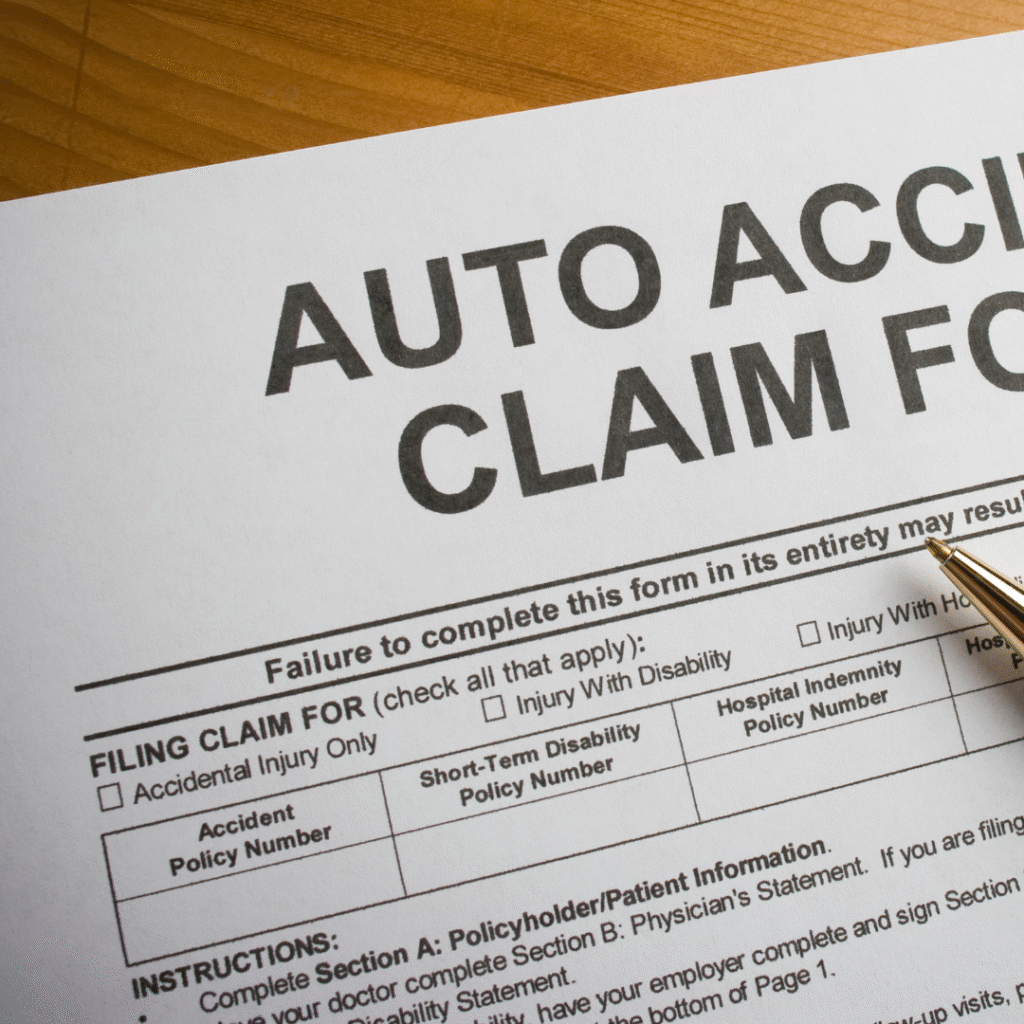
October 22, 2025 | JacobiJournal.com — A new lawsuit filed against Geico Insurance Co. accuses the carrier of failing to engage in mandatory arbitration over a disputed auto accident claim — a move that could expose the insurer to allegations of bad-faith handling and breach of contract. The policyholder claims Geico refused to participate in arbitration proceedings required under the policy’s uninsured/underinsured motorist (UM/UIM) provisions. The suit argues this refusal caused financial and procedural harm, forcing the claimant to pursue damages through litigation instead of arbitration. Policyholder Says Geico Ignored Arbitration Obligation According to the complaint, Geico allegedly failed to respond to multiple arbitration requests after the insured sought compensation for injuries and property loss from an underinsured driver. The claimant contends that arbitration was explicitly required under the contract’s dispute-resolution clause. Legal experts say this case highlights how procedural lapses in arbitration compliance can expose insurers to extra-contractual liability, especially if courts find the insurer acted unreasonably or in bad faith. Potential Exposure for Insurer Compliance Failures Analysts note that arbitration disputes are increasingly common as insurers face growing backlogs in claim resolutions and pressure from policyholders to honor contractually mandated procedures. If the court finds that Geico deliberately avoided arbitration, the insurer could face penalties, including statutory interest, attorney’s fees, and punitive damages. “This kind of claim tests the boundaries of insurer obligations under arbitration clauses,” said a policy litigation attorney. “Courts generally enforce arbitration rights strictly—ignoring them can backfire.” Broader Industry Implications The lawsuit could influence how insurers handle arbitration provisions nationwide. Many state insurance codes and consumer-protection statutes require carriers to act in good faith when processing claims, including adhering to dispute-resolution timelines. Industry observers expect the case to prompt internal compliance reviews within major auto insurers to ensure adherence to both policy language and arbitration laws. For more on arbitration obligations under insurance law, visit the American Bar Association’s Insurance Law Section. FAQs: Geico Arbitration Lawsuit Over Auto Claim 2025 What is the Geico arbitration lawsuit about? A policyholder alleges that Geico failed to participate in mandatory arbitration for a disputed auto accident claim under their insurance contract. Why is arbitration important in insurance disputes? Arbitration clauses streamline claim resolution and reduce litigation costs. Ignoring these provisions can expose insurers to breach-of-contract claims. What legal risks does Geico face in this case? If found liable, Geico could face bad-faith penalties, attorney’s fees, and damages for refusing to comply with arbitration requirements. How might this case affect the insurance industry? It could prompt stricter enforcement of arbitration clauses and internal compliance reviews among national insurers. Stay current on insurer litigation, coverage disputes, and arbitration trends — subscribe to JacobiJournal.com for weekly expert updates. 🔎 Read More from JacobiJournal.com:
Pennsylvania Insurance Agent Faces Investment and Premium Fraud Charges

October 10, 2025 | JacobiJournal.com — Investment fraud charges have been filed against a western Pennsylvania insurance agent, Chad Skena, who allegedly defrauded a longtime client out of $75,000 by promising an investment in his own insurance agency that never materialized. Authorities stated that the funds were misappropriated for personal use, furthercompounding earlier allegations tied to premium theft. According to prosecutors, Skena persuaded the client that the investment would yield steady returns and expand the business’s operations. However, investigators later found no such business accounts or transactions related to the purported investment. Prior Allegations of Premium Theft Resurface Court documents indicate that Skena previously faced charges for diverting insurance premium payments intended for legitimate policy coverage. Victims in those earlier cases reported lapses in their insurance protection after discovering their payments were never forwarded to carriers. These renewed allegations suggest a pattern of financial deception, combining both investment fraud and insurance-related misappropriation — a serious concern for regulators monitoring agent conduct in Pennsylvania. Regulators and Prosecutors Tighten Oversight The Pennsylvania Department of Insurance and the Office of Attorney General have both intensified efforts to identify fraudulent financial practices within licensed agencies. Officials emphasized that the state’s licensing system includes disciplinary measures, from license revocation to criminal prosecution, depending on the severity of the fraud. To learn more about Pennsylvania’s agent fraud prevention programs, visit the Pennsylvania Insurance Department. How Victims Can Respond to Agent Misconduct Victims of suspected agent fraud are encouraged to report violations directly to the state insurance fraud bureau. Key actions include: These steps can help recover losses and support the state’s broader fraud prevention efforts. FAQs: Pennsylvania Insurance Agent Investment Fraud Who is the insurance agent accused of investment fraud? Chad Skena, a western Pennsylvania agent, is charged with defrauding a client of $75,000 under a false investment scheme. What previous charges does he face? Skena was previously charged with theft of insurance premium payments that left some clients without valid coverage. How does Pennsylvania regulate insurance agents? The Pennsylvania Insurance Department oversees licensing and disciplinary actions, including fraud investigations and revocations. What should consumers do if they suspect agent fraud? Report suspected misconduct directly to the Insurance Department and maintain documentation for potential recovery or prosecution support. Stay informed on breaking fraud and insurance litigation cases. Subscribe now to JacobiJournal.com for verified updates on insurance and investment fraud cases. 🔎 Read More from JacobiJournal.com:
Four Miami-Dade Men Charged in Alleged Staged-Car-Accident Insurance Scheme

October 1, 2025 | JacobiJournal.com — Four men in Miami-Dade County have been arrested on insurance fraud charges after investigators say they orchestrated a series of staged car accidents to file false claims with multiple insurers. According to the Florida Department of Financial Services (DFS), the suspects allegedly coordinated low-speed crashes, then submitted fabricated injury and vehicle-damage reports to collect payouts. Authorities say the investigation began after insurers noticed suspicious patterns in the claims and alerted state fraud units. Classic Auto Fraud Case Uncovered Investigators describe the scheme as a textbook example of “staged accident” fraud, a long-standing issue in South Florida. The suspects are accused of intentionally colliding their vehicles and exaggerating injuries to inflate insurance settlements. “Staged crashes put innocent drivers at risk and drive up insurance premiums across the state,” said a DFS spokesperson, urging the public to report suspicious incidents. How the Operation Was Detected Insurance carriers worked with law enforcement to cross-check accident reports, medical bills, and repair invoices. Discrepancies and repetitive claim patterns triggered a deeper review, eventually leading to the arrests. Each suspect now faces felony charges that could result in prison time, restitution, and significant fines if convicted. Authorities noted that the insurance fraud scheme mirrored other staged-accident rings previously uncovered in South Florida, where networks of participants—including drivers, passengers, and sometimes medical providers—worked together to inflate claims. Investigators are now reviewing whether additional co-conspirators or linked fraud rings were involved, signaling that the case could expand beyond the four men already charged. Protecting Yourself From Auto Insurance Fraud State officials encourage drivers to stay alert to staged-accident tactics, such as sudden braking or vehicles blocking lanes to force a collision. The DFS offers resources for motorists to recognize and report suspected fraud. Because staged crashes are one of the most common forms of insurance fraud, drivers should document every accident carefully, gather witness information, and take photographs of the scene. Officials stress that early reporting and proper documentation not only protect innocent motorists but also give investigators stronger evidence to prosecute organized insurance fraud rings operating across Florida. Learn more from the Florida Department of Financial Services. FAQs: Auto Insurance Fraud What is a staged accident? A staged accident occurs when drivers intentionally cause or fake a collision to file false injury or damage claims with insurance companies. What penalties can offenders face in Florida? Penalties range from felony charges and restitution to significant fines and potential prison sentences, depending on the scope of the fraud. How can drivers protect themselves from being targeted? Maintain a safe following distance, use dashboard cameras if possible, and call law enforcement immediately after any suspicious crash. How do insurers detect this type of fraud? Companies track claim patterns, compare accident reports, and collaborate with law enforcement fraud units to uncover inconsistencies. Why is insurance fraud such a big problem in Florida? Florida has historically ranked among the top states for staged accidents and insurance fraud, driving up premiums for all policyholders and straining resources for legitimate claims. Where can Florida residents report suspected insurance fraud? Drivers can report suspected fraud to the Florida Department of Financial Services’ Division of Investigative and Forensic Services by calling the Fraud Tip Hotline at 1-800-378-0445 or visiting the DFS website. Subscribe to JacobiJournal.com for the latest updates on insurance fraud cases and consumer protection news. 🔎 Read More from JacobiJournal.com:
Tom Girardi Ordered to Stay in Prison While Wire Fraud Appeal Proceeds

September 25, 2025 | JacobiJournal.com — Disgraced California attorney Tom Girardi will remain behind bars as his legal team pursues an appeal of his wire fraud conviction. A federal judge ruled that Girardi failed to show the “exceptional circumstances” required for release pending appeal, citing both the seriousness of the crime and the risk of flight. The court’s decision underscores the high threshold defendants must meet to secure release after a conviction. Judges typically look for compelling health concerns, significant new evidence, or legal errors that strongly suggest a conviction might be overturned—none of which Girardi successfully demonstrated. Background on the High-Profile Conviction Once celebrated for winning massive settlements in consumer lawsuits, Tom Girardi was convicted earlier this year of stealing millions in client settlement funds. Prosecutors demonstrated that he used interstate communications and banking systems to funnel those funds into personal expenses, meeting the legal threshold for federal wire fraud. His once-glittering reputation, enhanced by a high-profile marriage and appearances on reality television, crumbled as whistleblowers and investigative journalists exposed the scale of the fraud. The revelations prompted multiple civil suits, bankruptcy proceedings, and an eventual criminal indictment that brought decades of alleged misconduct into the spotlight. Court Cites Flight Risk and Financial Danger In the September 22 order, the judge highlighted that Girardi’s past deception and access to hidden resources made him a potential flight risk. The court also emphasized the need to protect victims and ensure restitution while the appeal moves forward. Federal prosecutors argued that Tom Girardi still has the connections and financial know-how to evade authorities or hide remaining assets. Keeping him in custody, they said, prevents additional harm to the victims and preserves the integrity of ongoing restitution efforts. Appeal Faces Steep Challenges Girardi’s attorneys say they will continue to challenge the conviction, but legal experts note that overturning a federal jury verdict is notoriously difficult. The appellate process is expected to stretch well into 2026, keeping Girardi in a federal Bureau of Prisons facility during that time. Appellate courts typically focus only on whether legal errors affected the trial’s outcome, rather than re-examining facts. Without clear evidence of procedural mistakes or constitutional violations, analysts believe Girardi’s chances of success remain slim. For an authoritative overview of wire fraud laws and penalties, visit the U.S. Department of Justice’s wire fraud resource page. FAQs: About the Tom Girardi Prison Appeal Why did the judge refuse to release Tom Girardi during the appeal? The court ruled that Girardi could not show exceptional circumstances and posed a flight risk, making release inappropriate. What crimes was Tom Girardi convicted of? He was found guilty of federal wire fraud for misappropriating millions of dollars from his own clients’ settlement funds. How long could the appeal process take? Federal appeals can take many months or even years, depending on the complexity of the case and the appellate court’s schedule. What happens to restitution for Girardi’s victims? With Girardi in custody, restitution and civil claims can continue without interruption, giving victims a better chance of recovering funds. Subscribe now to JacobiJournal.com for timely updates on high-profile legal cases. Get expert analysis, courtroom developments, and exclusive insights delivered directly to your inbox. 🔎 Read More from JacobiJournal.com:
Second Circuit Orders Resentencing in $600M Medical Billing Fraud Case

September 12, 2025 | JacobiJournal.com — A federal appeals court has affirmed the conviction of a Long Island medical biller who orchestrated a $600 million medical billing fraud scheme but sent the case back to the trial court for resentencing. The ruling underscores the judiciary’s continued focus on accountability in one of the largest medical billing fraud cases ever prosecuted. Conviction Upheld, But Sentencing Reconsidered The Second Circuit panel ruled that the evidence of fraud was overwhelming, leaving no question about the defendant’s guilt. However, the court determined that errors in the original sentencing required the case to be remanded for further review. The decision leaves the conviction intact while opening the door for a new assessment of the punishment. $600 Million Fraud Scheme Detailed According to federal prosecutors, the biller submitted fraudulent insurance claims totaling hundreds of millions of dollars and went so far as to impersonate professional athletes, including an NBA player and NFL figures, to further the scheme. The elaborate fraud exploited weaknesses in the medical billing system, resulting in one of the largest recoveries ever pursued in a single case. Broader Implications for Health Care Fraud Enforcement Legal analysts say the ruling highlights the importance of strong sentencing procedures in health care fraud cases. It also reinforces the government’s aggressive stance against schemes that threaten the stability of insurance systems and increase costs for policyholders nationwide. With medical billing fraud continuing to rise, this case may set a standard for future prosecutions. For official documentation and case details, readers can review filings at the U.S. Court of Appeals for the Second Circuit. FAQs: $600M Medical Billing Fraud Case What was the fraud about? The defendant submitted fraudulent insurance claims worth approximately $600 million, using false identities and impersonations to support the scheme. What did the Second Circuit decide? The appeals court affirmed the conviction but remanded the case for resentencing due to procedural errors in the original judgment. Why is resentencing significant? It ensures sentencing procedures meet federal standards, giving the defendant a fair hearing while maintaining accountability for large-scale fraud. How does this affect future health care fraud cases? The ruling reinforces both the seriousness of medical billing fraud and the need for careful sentencing, likely influencing how future fraud prosecutions are handled. Stay informed on major insurance fraud and health care litigation by subscribing to JacobiJournal.com. 🔎 Read More from JacobiJournal.com:
Federal Court Dismisses Hurricane Maria Fraud Suit Against Insurance Adjuster

September 10, 2025 | JacobiJournal.com – A fraud suit filed by an insurer has been dismissed by a Puerto Rico federal judge, who ruled against allegations that a public adjuster inflated damage calculations related to Hurricane Maria. The case, which alleged insurance fraud in the aftermath of the 2017 storm, was thrown out after the court determined the claims were legally insufficient to proceed. The outcome of the fraud suit highlights the challenges insurers face when trying to prove exaggerated or false claims in court. Without clear evidence of intent, such fraud suits often fail to advance, signaling that judges will require a higher burden of proof in disaster-related insurance disputes. Court Rejects Insurer’s Allegations The insurer had argued that the public adjuster exaggerated the scale of storm-related damages suffered by a Puerto Rican municipality, seeking higher payouts than warranted. However, the federal court concluded that the evidence presented did not meet the threshold to prove fraudulent intent. The dismissal ends the litigation, at least for now, though appeals remain possible. Hurricane Maria’s Long Legal Aftermath Hurricane Maria caused catastrophic losses across Puerto Rico, leading to years of disputes between policyholders, municipalities, and insurers. Allegations of fraud, inflated claims, and delayed payouts have become a recurring theme in litigation tied to disaster recovery. This case highlights how courts are scrutinizing fraud claims while balancing the need to ensure fair compensation for storm victims. Broader Implications for Insurance Fraud Cases Legal analysts say the ruling underscores the difficulty insurers face in proving fraud against adjusters, particularly in the high-stakes context of natural disasters. With billions in claims tied to hurricanes and other catastrophic events, the decision could influence how insurers pursue similar cases in the future. For access to official case filings and federal court rulings, visit the U.S. District Court for the District of Puerto Rico. FAQs: Hurricane Maria Fraud Suit What was the lawsuit about? An insurer alleged that a public adjuster inflated damage estimates for a Puerto Rican town after Hurricane Maria, leading to excessive insurance claims. Why did the court dismiss the case? The judge ruled that the evidence did not sufficiently prove fraud or misrepresentation by the public adjuster. Does this ruling impact future insurance fraud suits? Yes. It highlights the challenges insurers face in proving fraud in disaster-related claims, potentially shaping strategies in future litigation. What does this mean for Hurricane Maria recovery claims? It reflects the ongoing complexity of resolving insurance disputes tied to the storm and shows that fraud claims require strong, verifiable evidence to succeed. Stay updated on insurance fraud litigation and public integrity cases by subscribing to JacobiJournal.com. 🔎 Read More from JacobiJournal.com: